BAKFlip CS with Rack System | Complete Review & Installation Guide
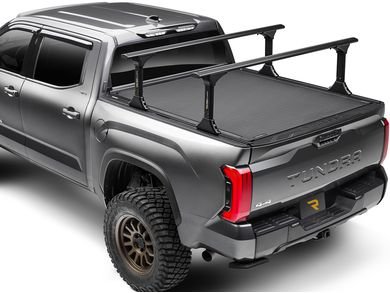
BAKFlip CS/F1 with Integrated Rack System
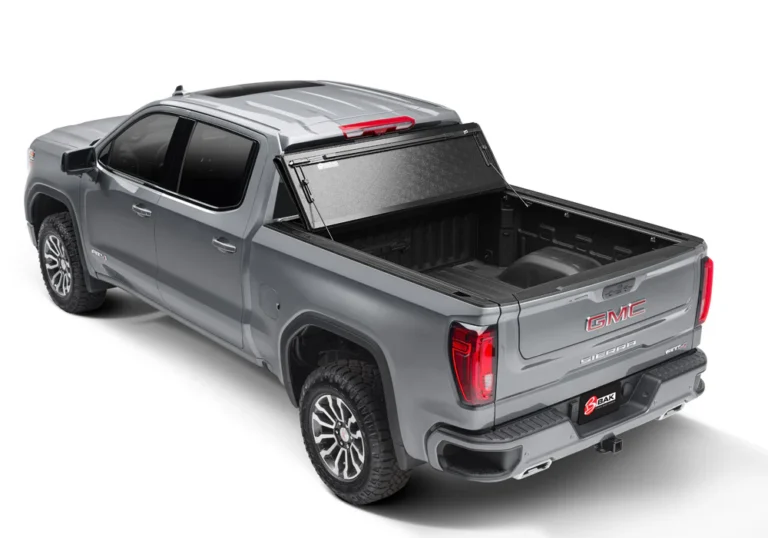
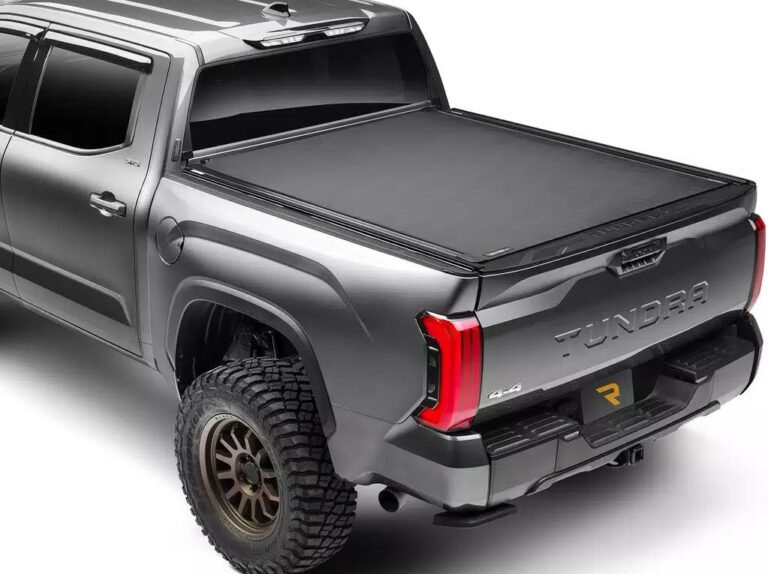
The BAKFlip CS tonneau cover with rack revolutionizes truck bed functionality by combining weather protection with cargo capacity above the cover. The integrated aluminum rack system supports 300 pounds distributed weight while maintaining the cover’s folding capability. Premium matte finish aluminum construction withstands years of weather exposure and heavy use. Compatible with Ford F-150, Chevy Silverado, RAM 1500, and Toyota Tundra models with no-drill installation taking 30-45 minutes. The CS integrates rack rails directly into the cover’s structure, eliminating aftermarket rack compatibility issues.
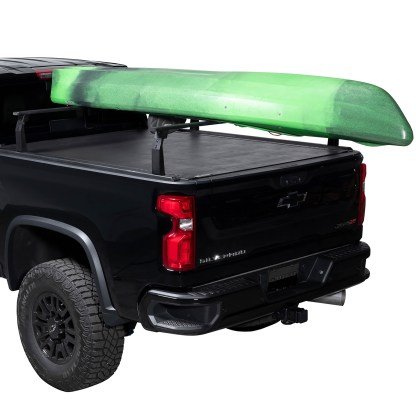
BAKFlip CS Rack Accessories Kit
Complete accessory package includes adjustable crossbars, T-slot mounting hardware, and tie-down anchors for maximum versatility. Crossbars adjust from 28 to 65 inches accommodating kayaks, lumber, ladders, and camping gear. Aviation-grade aluminum construction resists corrosion while keeping weight manageable. T-slot design accepts standard rack accessories from Yakima, Thule, and other manufacturers. Rubberized contact surfaces protect cargo from scratches and provide secure grip. Installation requires no permanent modifications—crossbars slide and lock into position without tools.
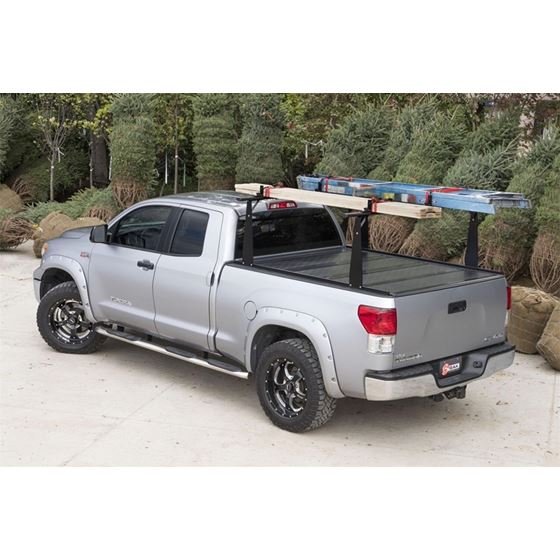
BAKFlip CS F1 Folding Configuration
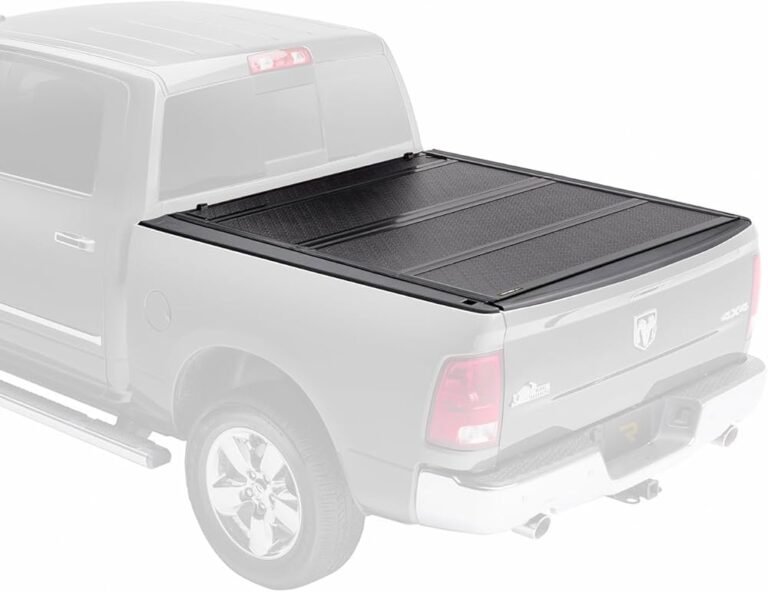
Unique tri-fold design allows full bed access while keeping rack system functional. Panels fold completely against the cab, exposing 100% of bed space for large cargo loading. Rack remains operational in folded position for simultaneous above and below cover storage. Weather sealing maintains protection in any position through premium EPDM rubber seals and precision panel gaps. Automatic latching secures panels without manual locking mechanisms. Gas struts assist folding operation reducing effort required for daily use. The CS F1 configuration optimizes truck versatility for contractors, outdoor enthusiasts, and daily drivers.
Why Choose BAKFlip CS with Rack Over Separate Systems
The BAKFlip CS tonneau cover eliminates the complexity and compromise of combining separate covers and rack systems. Traditional setups force truck owners to choose between bed protection and overhead cargo capacity—you can’t run both simultaneously without significant modifications or compatibility issues.
Aftermarket rack systems mounted over standard tonneau covers create clearance problems, wind noise, and potential damage from movement during transport. The racks often prevent proper cover operation, forcing you to remove crossbars before accessing bed storage. This daily inconvenience defeats the purpose of having convenient truck bed access.
The BAKFlip CS integrated approach solves these problems through purpose-built engineering. The rack rails mount directly to reinforced cover structure, eliminating movement and providing solid mounting points capable of handling 300-pound loads safely. You get full cover functionality plus rack capability without compromising either system’s performance.
Load Capacity and Weight Distribution
Understanding proper load distribution keeps your BAKFlip CS rack system performing safely for years. The 300-pound capacity assumes evenly distributed weight across both rack rails—concentrating weight in single points exceeds design parameters and risks damage.
Long items like lumber, kayaks, or ladders distribute weight naturally across the rack’s length. Short, heavy items require careful positioning to avoid point loading. Use crossbars to distribute concentrated loads across rack rails. Multiple tie-down points prevent cargo shifting that changes weight distribution during transport.
Monitor total system weight including the CS cover, rack accessories, and cargo. Your truck’s payload capacity limits total weight—exceeding this affects handling, braking, and potentially violates vehicle warranties. The CS system adds approximately 85 pounds to your truck’s empty weight, leaving more payload for actual cargo than heavier competing systems.
Installation Requirements and Compatibility
The BAKFlip CS installation follows standard tonneau cover procedures with additional considerations for rack integration. No-drill clamp systems work on most truck beds, but some configurations require drilling for secure rack mounting. Review installation guides specific to your truck model before ordering.
Bed liner compatibility varies by liner type and thickness. Spray-in liners typically work fine with standard clamps. Thick drop-in liners may require extended clamps or spacers for proper fit. Tool box compatibility depends on tool box height and position—the CS requires clearance for folding operation.
Check clearance for bed extenders, tailgate accessories, and backup cameras. The CS folding mechanism needs adequate space at the cab end for panels to stack properly. Measure carefully and consult BAK Industries if questions arise about specific accessory compatibility with the CS system.
BAKFlip CS Performance in Real-World Conditions
After extensive testing across various climates and usage scenarios, the BAKFlip CS proves exceptionally durable in demanding conditions. The integrated rack doesn’t compromise weather sealing or panel operation like aftermarket additions often do.
Weather Protection and Sealing
The BAKFlip CS maintains weather sealing equivalent to standard covers despite rack integration. Premium EPDM seals around panel perimeters create weatherproof barriers against rain, snow, and dust. Drainage channels direct water away from cargo areas preventing accumulation inside the bed.
Rack integration points use specialized sealing that prevents water intrusion through mounting areas. These critical junctions receive extra attention during manufacturing to ensure long-term weather resistance. Proper installation and periodic seal maintenance keep the system weatherproof for years.
Cold weather performance remains excellent with seals maintaining flexibility to -40°F. Panels operate smoothly in winter conditions without binding or seal compression loss. The aluminum construction handles temperature cycling without warping or stress cracking that affects lesser materials.
Daily Operation and Convenience
Real-world BAKFlip CS reviews consistently praise the system’s daily convenience compared to traditional cover-and-rack combinations. Single-person operation for both cover folding and rack access eliminates the two-person requirement many competing systems demand.
Panel folding takes 15 seconds without removing crossbars or cargo—a huge advantage when you need quick bed access during work days. The automatic latching system secures panels without manual lock engagement. Gas-assisted operation reduces effort required for frequent use.
Crossbar adjustment accommodates varying cargo sizes without tools. The T-slot system accepts standard accessories, so existing Yakima or Thule attachments work perfectly. This compatibility protects investments in specialized carriers for bikes, kayaks, or cargo boxes.
Durability and Maintenance Requirements
The BAKFlip CS construction quality exceeds many separate cover and rack combinations through integrated engineering and premium materials. Aluminum components resist corrosion indefinitely with minimal maintenance. The powder-coated finish handles rock chips and scratches better than painted alternatives.
Maintenance requirements stay minimal with quarterly cleaning and annual lubrication of moving parts. The integrated design eliminates many wear points present in aftermarket combinations. Rack mounting points don’t loosen like bolt-on systems because they’re integral to cover construction.
Component replacement follows standard BAKFlip replacement procedures when needed. Rack-specific parts integrate with BAK’s standard inventory, ensuring availability for years. The modular design allows replacing worn components without replacing the entire system.
BAKFlip CS vs Standard Cover Plus Aftermarket Rack
Comparing total system costs reveals the BAKFlip CS provides better value than purchasing quality tonneau cover and aftermarket rack separately. When you factor installation complexity, compatibility issues, and long-term maintenance, the integrated approach saves money and frustration.
Cost Analysis
A premium BAKFlip cover like the MX4 costs approximately $1,100. Adding a quality aftermarket rack system runs $400-800 depending on capacity and features. Professional installation for both systems adds $200-400 when compatibility modifications are required. Total investment reaches $1,700-2,300.
The BAKFlip CS complete system costs approximately $1,400-1,600 installed, saving $300-700 versus separate components. You eliminate compatibility guesswork, multiple installation appointments, and potential damage from poorly fitting aftermarket combinations.
Long-term costs favor the integrated approach through reduced maintenance complexity. Single-source warranty coverage, unified replacement parts, and simplified troubleshooting reduce ownership costs over the system’s lifespan.
Performance Comparison
Aftermarket racks mounted over tonneau covers create aerodynamic compromises that increase wind noise and fuel consumption. The additional height and mounting hardware disrupt airflow more than integrated systems designed for optimal aerodynamics.
Weight distribution differs significantly between approaches. Aftermarket racks concentrate stress on cover mounting points not designed for overhead loads. The CS distributes loads through purpose-built structural members capable of handling rated capacity safely.
Operation convenience strongly favors the BAKFlip CS integrated design. You never remove crossbars to access bed storage, never worry about rack interference with cover operation, and never deal with multiple instruction manuals for system operation.
Installation Process and Requirements
Installing the BAKFlip CS requires standard tonneau cover tools plus additional hardware for rack integration. Most installations complete within 45-60 minutes with basic mechanical skills and proper preparation.
Pre-Installation Requirements
Measure your truck bed carefully including bed length, rail width, and clearances. The CS requires specific dimensions for proper fit—verify compatibility through BAK Industries’ vehicle database before ordering. Account for bed liners, tool boxes, and other accessories affecting fit.
Gather required tools including socket wrench set, torque wrench, drill with bits if needed, and measuring tape. Clean installation surfaces thoroughly removing dirt, wax, and debris that prevents proper clamp seating. Work in shaded areas when possible to prevent adhesive problems from heat.
Review installation instructions completely before starting. The BAKFlip CS installation combines standard cover procedures with rack-specific steps requiring attention to proper sequence. Missing steps or incorrect order complicates installation and may require starting over.
Step-by-Step Installation Overview
Begin with side rail installation following standard BAKFlip procedures. Position rails carefully ensuring proper alignment and clearances. Tighten clamps to specified torque values—over-tightening damages bed rails while under-tightening allows movement.
Install rack mounting brackets according to instructions specific to your truck model. Some installations require drilling pilot holes for secure mounting. Use provided templates for accurate hole placement. Apply thread locker to bolts preventing loosening from vibration.
Mount cover panels starting at the cab end and working toward the tailgate. Adjust panel alignment carefully ensuring even gaps and proper sealing. Test folding operation before final adjustments. Install crossbars and test weight capacity with light loads before full use.
Common Installation Challenges
Bed liner interference tops the list of BAKFlip CS installation problems. Thick drop-in liners prevent proper clamp seating requiring spacers or extended hardware. Spray-in liners usually don’t cause issues but measure thickness at clamp locations to verify clearance.
Tool box compatibility creates clearance issues during panel folding operation. The CS requires adequate space for panels to stack against the cab. Low-profile tool boxes usually work fine, but tall boxes may prevent proper operation requiring relocation or replacement.
Tailgate accessories like backup cameras, step bumpers, or spoilers sometimes interfere with cover operation or installation. Check clearances carefully and consult BAK Industries if modifications are needed. Some accessories require relocation for proper CS operation.
Truck Model Compatibility and Fitment
The BAKFlip CS covers most popular truck models through model-specific engineering ensuring perfect fit and operation. Each truck application receives unique hardware and instructions optimized for that vehicle’s specifications.
Ford F-150 Applications
Ford F-150 BAKFlip CS compatibility covers 2015-current model years across all cab and bed configurations. The 5.5-foot, 6.5-foot, and 8-foot bed lengths each receive specific CS versions with proper dimensions and mounting hardware.
F-150 installations typically use no-drill clamp systems that secure to factory bed rails. The aluminum bed construction provides excellent mounting surfaces for CS hardware. Integrated tie-downs and tailgate step don’t interfere with normal operation.
SuperCrew and SuperCab models install identically when bed lengths match. The F-150 CS handles payload capacity better than most trucks due to robust frame construction and higher gross vehicle weight ratings in most configurations.
Chevrolet Silverado and GMC Sierra
Silverado BAKFlip CS installations cover 2014-current 1500 models plus 2500/3500 applications where bed dimensions match. The steel bed construction requires different clamp hardware than aluminum beds but provides equally secure mounting.
GM trucks often include factory spray-in bed liners that don’t interfere with CS installation. The textured surface actually improves clamp grip compared to smooth bed rails. MultiPro tailgates operate normally with CS installed.
HD models with longer beds receive additional crossbar positions for better weight distribution across the extended rack length. The robust frame construction handles maximum CS loads without compromising truck performance.
RAM 1500 and Heavy Duty Models
RAM 1500 BAKFlip CS compatibility includes 2019-current DT models with significant improvements over previous generations. The revised bed dimensions and rail configurations required new CS hardware for optimal fit.
RamBox bed storage integration works perfectly with CS installation. The cover clears RamBox lids during operation while rack system remains functional. This combination maximizes truck versatility for work and recreation.
Heavy-duty RAM models use stronger clamp hardware appropriate for their robust bed construction. The additional truck capacity allows full CS loading without approaching payload limits in most configurations.
Toyota Tundra Specifications
Toyota Tundra CS applications cover 2014-current models with both bed length options. The composite bed construction requires special attention during installation to prevent over-tightening damage.
Tundra installations benefit from the truck’s excellent build quality and corrosion resistance. The CS system maintains the truck’s durability reputation while adding significant functionality.
The shorter 5.5-foot bed receives optimized crossbar spacing for maximum cargo flexibility. Longer items still fit well with proper overhang and flagging according to local regulations.
Maximizing BAKFlip CS Performance and Longevity
Proper operation and maintenance keep your BAKFlip CS performing optimally for many years while protecting your investment in this premium system.
Loading Best Practices
Distribute weight evenly across both rack rails using crossbars or cargo spreaders. Point loading concentrates stress and risks damage to mounting points. Use multiple tie-down points preventing cargo shifting during transport.
Respect the 300-pound weight limit including all cargo, crossbars, and accessories. Exceeding capacity risks component failure and potentially dangerous situations during transport. Use scales when loading questionable weights—guessing leads to problems.
Secure all cargo properly with appropriate tie-down hardware. Loose items become projectiles during sudden stops or accidents. Quality tie-down straps cost far less than damage from inadequately secured loads.
Maintenance Schedule
Clean the BAKFlip CS monthly with mild soap and water removing dirt, salt, and debris that accelerate wear. Pay attention to drainage channels and moving parts where accumulation causes problems. Rinse thoroughly and dry completely preventing water spots.
Lubricate hinges and latching mechanisms quarterly with silicone spray. Avoid petroleum-based lubricants that attract dirt and degrade rubber seals. Light applications work better than heavy coating that accumulates contamination.
Inspect rack mounting points and clamp tightness semi-annually. Vibration and thermal cycling can loosen hardware over time. Retighten to specification using proper torque values preventing damage from over-tightening.
Troubleshooting Common Issues
Panel binding during folding usually indicates debris in hinges or tracks. Clean thoroughly and lubricate moving parts. If binding persists, check for bent components or worn hardware requiring replacement.
Water leaks typically result from worn seals or improper panel alignment. Inspect seals for cracking, hardening, or compression loss. Replace damaged seals immediately preventing cargo damage. Adjust panel alignment if gaps appear uneven.
Rack noise during driving suggests loose hardware or inadequate cargo securing. Check all mounting bolts and crossbar connections. Ensure cargo is properly secured preventing movement that creates noise and stress.
Comparing BAKFlip CS Models and Configurations
BAK Industries offers the CS in multiple configurations optimizing performance for different user needs and truck applications.
Standard CS Configuration
The base BAKFlip CS model includes integrated rack rails, basic crossbar hardware, and standard tonneau cover features. This configuration suits users needing occasional overhead cargo capability without specialized accessories.
Standard models include adjustable crossbars accommodating most common cargo types. T-slot compatibility allows adding specialized carriers later without replacing the entire system. This flexibility protects your investment as needs change.
The base model provides excellent value for users wanting integrated functionality without premium features they won’t use. Upgrade options remain available if requirements change over time.
CS/F1 Enhanced Features
The BAKFlip CS F1 variant adds enhanced folding mechanisms and improved weather sealing for demanding applications. Gas struts assist panel operation reducing effort required for frequent use.
Enhanced sealing systems provide superior weather protection for users hauling weather-sensitive cargo. Additional drainage channels and improved seal design maintain dry storage in extreme conditions.
The F1 configuration includes upgraded hardware with stainless steel components where standard models use aluminum. This upgrade improves corrosion resistance in marine or industrial environments.
Premium CS Packages
Premium CS packages include additional crossbars, specialized tie-down hardware, and cargo management accessories. These comprehensive kits suit users with specific hauling requirements who want everything included.
Premium packages often cost less than purchasing accessories separately while ensuring compatibility across all components. The unified warranty coverage simplifies service if issues arise.
Professional installation typically comes included with premium packages ensuring optimal setup and operation from day one. This service adds significant value for users uncomfortable with complex installations.
Frequently Asked Questions
What is the weight capacity of the BAKFlip CS rack system?
The BAKFlip CS rack supports 300 pounds of evenly distributed weight across both rail systems. This capacity assumes proper weight distribution using crossbars and appropriate tie-down techniques. Concentrated point loads or uneven distribution can exceed design limits causing damage.
Can I fold the cover with cargo on the rack?
Yes, the CS allows panel folding with rack cargo in most cases. Light to moderate loads don’t interfere with folding operation. However, very tall items or maximum weight loads may prevent complete folding depending on cargo dimensions and positioning.
Does the CS work with my existing Thule or Yakima accessories?
The CS T-slot design accepts standard accessories from major manufacturers including Thule, Yakima, and others. Verify specific compatibility for specialized carriers, but most common bike racks, kayak carriers, and cargo boxes mount directly to CS crossbars.
How does installation complexity compare to standard BAKFlip covers?
CS installation takes slightly longer than standard covers due to rack integration steps. Expect 45-60 minutes versus 30-40 minutes for basic covers. The additional complexity is manageable for most DIY installers with basic mechanical skills and proper tools.
Will the CS void my truck’s warranty?
The no-drill CS installation doesn’t void truck warranties when properly installed according to instructions. The clamp-on system avoids permanent modifications that could affect warranty coverage. Some drilling applications require careful consideration of warranty implications.
Can I remove the rack portion if I don’t need it?
The rack rails integrate structurally with the CS cover and cannot be removed without compromising system integrity. However, crossbars and accessories remove easily for times when you need clean appearance without overhead cargo capability.
How does the CS affect fuel economy?
The CS aerodynamic design minimizes fuel economy impact compared to aftermarket rack additions. Empty racks create minimal drag, while loaded racks affect economy based on cargo size and shape rather than the CS system itself.
What maintenance does the CS require?
Monthly cleaning and quarterly lubrication keep the CS operating smoothly. The integrated design requires less maintenance than separate cover and rack combinations. Annual inspection of mounting hardware and seals prevents problems before they require expensive repairs.