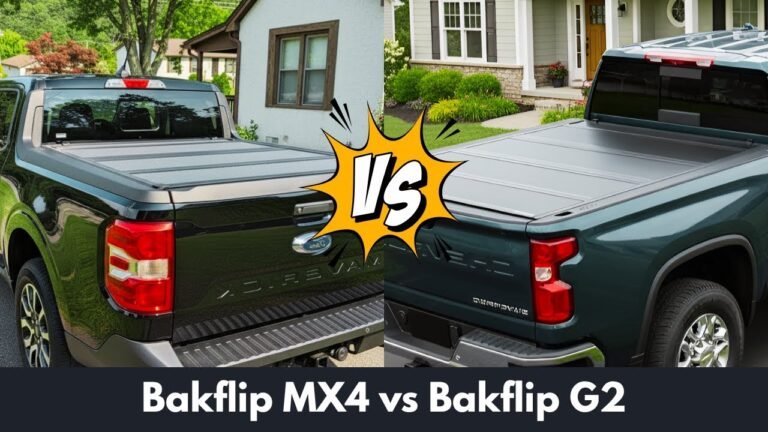
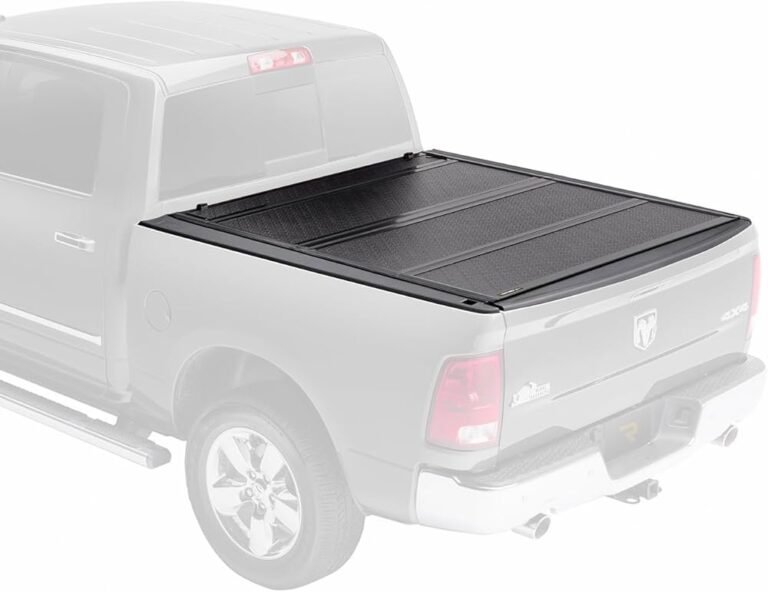
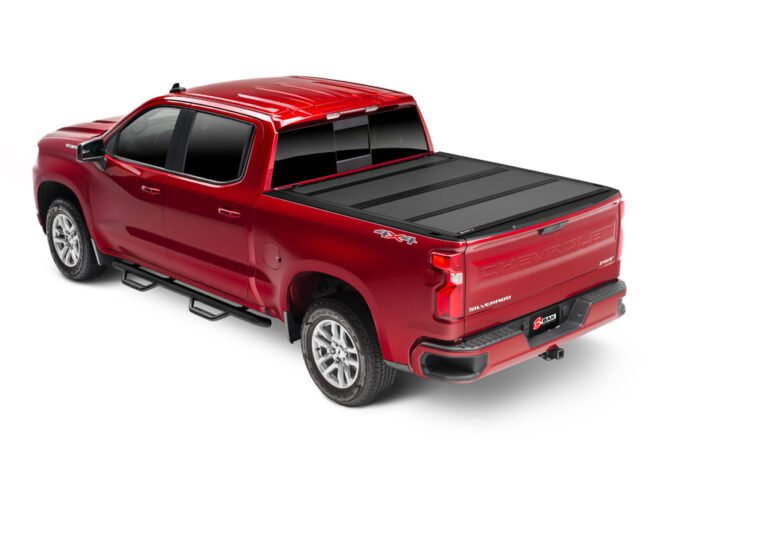
BAKFlip vs Gator Tonneau Cover Comparison
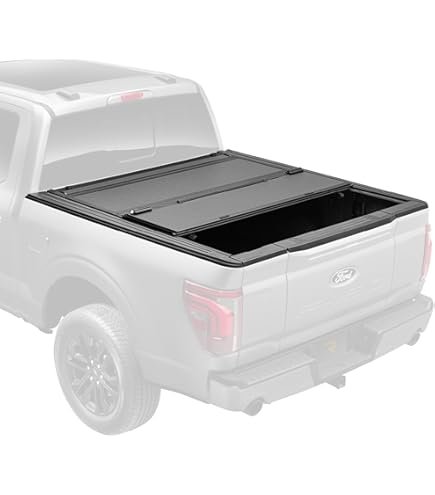
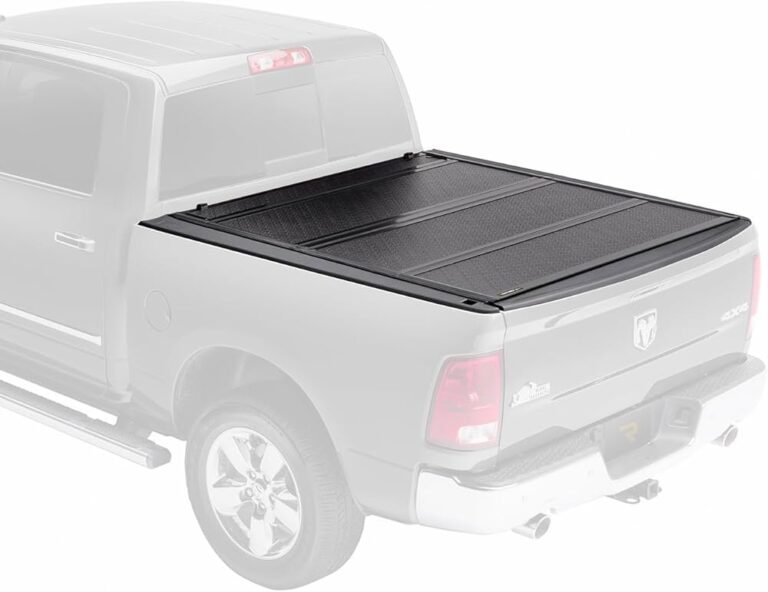
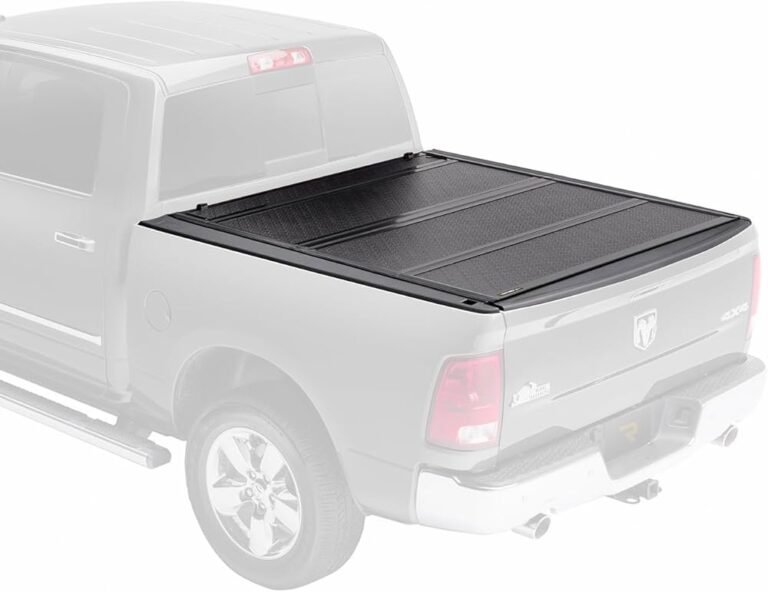
BAKFlip MX4 Aluminum Folding Cover
The BAKFlip MX4 represents premium aluminum construction with four-fold design and weather-tight sealing. Features dual-action tailgate seal, automatic buckle latches, and no-drill clamp installation on most trucks. Supports 400-pound distributed weight capacity when closed for cargo hauling on top of panels. Aluminum construction resists dents from hail and cargo impacts while maintaining lightweight operation. Available for Ford F-150, Chevy Silverado, RAM 1500, Toyota Tundra, and other full-size pickups with precise bed dimension fitments.
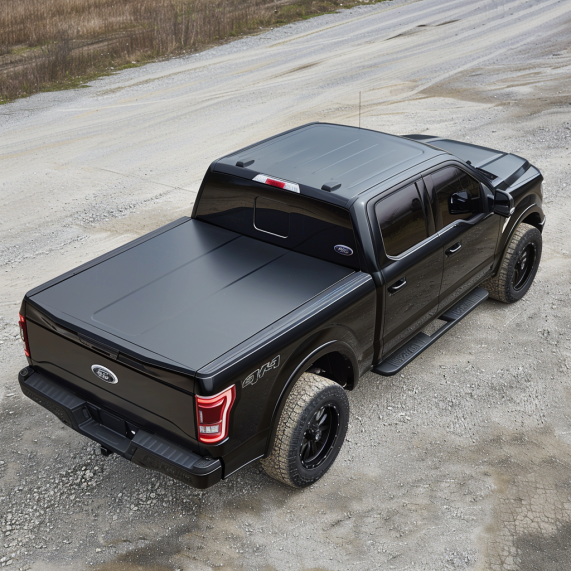
Gator Tri-Fold Vinyl Cover
Gator tonneau covers emphasize budget-friendly vinyl construction with basic folding mechanisms and standard weather sealing. Most models feature three-panel design with manual latches and clamp-on installation systems. Vinyl material provides decent weather protection but lacks the durability and premium appearance of aluminum alternatives. Weight capacity typically limited to light cargo only when closed. Available for popular truck models with standard bed dimensions at significantly lower price points than premium aluminum covers.
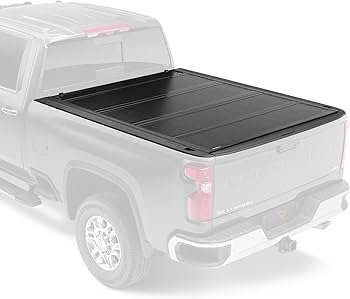
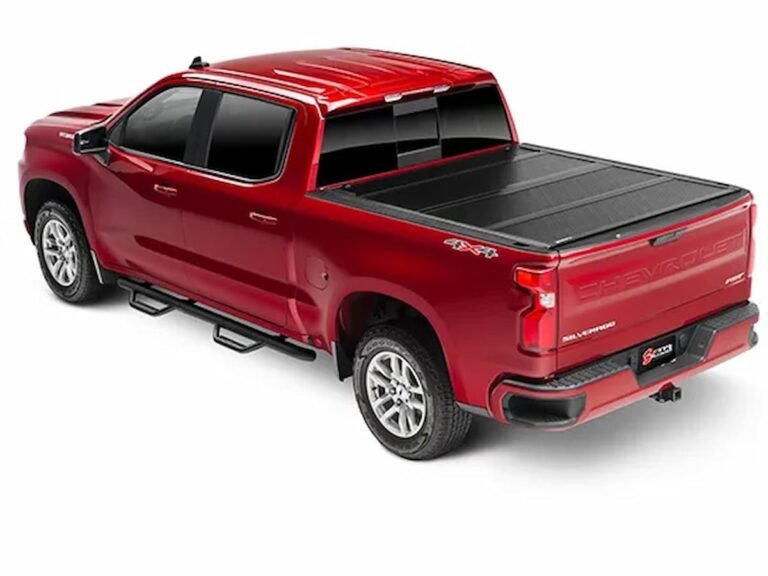
BAKFlip G2 Premium Alternative
The BAKFlip G2 delivers professional-grade aluminum construction with enhanced security features and weather sealing systems. Four-panel folding design allows multiple cargo configurations while maintaining structural rigidity. Integrated drainage system prevents water accumulation between panels and bed rails. Premium powder-coated aluminum finish resists scratches, UV fading, and corrosion through years of weather exposure. Higher weight capacity than vinyl alternatives supports equipment storage when closed. Precision engineering ensures proper fit across Ford, Chevrolet, RAM, GMC, and Toyota truck applications.
Material Construction: BAKFlip vs Gator
The fundamental difference in any BAKFlip vs Gator comparison starts with material selection and construction quality. BAKFlip covers use extruded aluminum panels with integrated foam cores for insulation and structural rigidity. This construction provides exceptional durability, weather resistance, and the ability to support significant weight when closed. The aluminum surface resists dents from hail, cargo impacts, and everyday abuse that destroys lesser materials.
Gator tonneau covers rely primarily on vinyl construction over aluminum or steel frames. While this approach reduces manufacturing costs and retail prices, it sacrifices long-term durability and weather protection. Vinyl materials are susceptible to cracking in cold weather, UV degradation from sun exposure, and punctures from sharp cargo or debris.
The construction differences become apparent during extreme weather events. BAKFlip’s aluminum panels maintain their shape and sealing properties through temperature swings from -40°F to 180°F. The material doesn’t become brittle in winter or soft in summer heat. Gator’s vinyl construction can crack when cold, become overly flexible when hot, and lose its weatherproof seal over time as the material degrades.
Weight Capacity and Load-Bearing
One significant advantage in the gator vs bakflip debate involves load-bearing capacity when covers are closed. BAKFlip’s aluminum construction allows distributed weight loading up to 400 pounds on MX4 models and 300 pounds on G2 versions. This capability lets you carry lumber, camping equipment, or work materials on top of the closed cover without damage.
Gator covers typically restrict loading to minimal weight only—enough for light tarps or basic cargo securement but nothing substantial. The vinyl construction and lighter frame materials simply can’t support significant loads without sagging, tearing, or structural failure. This limitation affects the cover’s versatility for contractors, outdoor enthusiasts, and anyone needing maximum cargo capacity.
The weight difference also affects panel rigidity and wind resistance. BAKFlip’s heavier aluminum construction stays planted during highway driving, even in crosswinds or when passing large vehicles. Lighter Gator covers may flutter or lift slightly at highway speeds, creating noise and potentially compromising the seal.
Finish Quality and Appearance
Professional appearance matters for truck owners who use their vehicles for business or simply want premium aesthetics. BAKFlip covers feature powder-coated aluminum finishes that resist scratches, maintain color consistency, and provide a professional appearance that complements modern truck styling.
Gator covers offer basic vinyl finishes that may not match the premium appearance expectations of newer trucks. While functional, the vinyl texture and appearance clearly identify the cover as a budget option rather than a premium accessory. For contractors, business owners, or anyone wanting their truck to maintain a professional appearance, this difference matters significantly.
Weather Protection Comparison
Weather sealing represents a critical factor in any BAKFlip vs Gator comparison since the primary purpose involves protecting cargo from rain, snow, and dust intrusion. BAKFlip covers engineer comprehensive sealing systems with multiple barriers against water entry.
The BAKFlip sealing system includes perimeter rubber seals, drain channels in side rails, dual-action tailgate seals, and weatherstripping between panels. This multi-layer approach creates redundant protection—if one barrier fails, others maintain cargo protection. The aluminum construction maintains consistent gaps and compression for reliable sealing.
Gator covers provide basic weather protection through simpler sealing systems that may include perimeter seals and basic weatherstripping. However, the vinyl construction can allow water intrusion as materials age and lose their sealing properties. Panel gaps may increase over time as the lightweight construction flexes and settles.
Drainage System Design
Advanced drainage engineering separates premium covers from budget alternatives. BAKFlip covers incorporate integrated drainage channels within the side rail extrusions that capture and direct water away from cargo areas. These channels prevent water accumulation that could lead to leaks or corrosion.
Many Gator models lack sophisticated drainage systems, relying instead on basic runoff from panel surfaces. Without proper drainage engineering, water can accumulate in panel joints or along seal interfaces, eventually finding its way into the truck bed through repeated freeze-thaw cycles or seal degradation.
The drainage difference becomes critical in regions with heavy rainfall, snow, or frequent weather changes. Proper drainage prevents ice formation that can damage seals and maintains long-term weather protection as covers age.
Long-Term Weather Resistance
Time reveals the true differences between premium and budget tonneau covers. BAKFlip covers maintain weather protection for years through proper maintenance, with aluminum construction and quality seals resisting degradation from UV exposure, temperature cycling, and environmental contamination.
Budget covers often experience accelerated degradation in weather protection as vinyl materials become brittle, seals harden, and lightweight construction allows increased panel movement. What starts as adequate weather protection deteriorates into marginal performance within a few years.
Consider the total cost of ownership when comparing tonneau cover options. A premium cover maintaining weather protection for 10+ years provides better value than budget covers requiring replacement every 3-4 years due to weather seal failure.
Installation and Fitment Differences
Installation complexity and fitment precision represent often-overlooked factors in the BAKFlip vs Gator decision. BAKFlip covers feature precisely engineered clamp systems designed for specific truck models with detailed fitment specifications ensuring proper alignment and sealing.
The BAKFlip installation process typically involves no-drill clamp systems for most truck applications, preserving resale value while providing secure mounting. Clamps position precisely on bed rails with specific torque requirements ensuring proper compression without over-tightening that could damage truck bed rails.
Gator covers often use more generic mounting systems that may require modification for proper fit across different truck models. While this reduces manufacturing costs, it can create installation challenges and fitment issues that compromise performance and appearance.
Truck-Specific Engineering
BAK Industries engineers covers for specific truck models and bed dimensions ensuring precise fitment on Ford F-150, Chevrolet Silverado, RAM 1500, GMC Sierra, Toyota Tundra, and other popular pickups. This approach requires more manufacturing complexity but delivers superior results.
Each truck model receives custom side rails, clamps, and hardware sized for that specific application. The F-150 version differs from the Silverado version in rail profiles, clamp positioning, and mounting details to accommodate each truck’s unique bed rail design and dimensions.
Generic fitment approaches used by budget manufacturers create compromises in appearance, sealing, and structural integrity. While “universal” systems reduce inventory complexity, they rarely deliver the precise fit that truck owners expect from premium accessories.
Professional Installation Considerations
Professional installers often prefer working with BAKFlip covers due to comprehensive instructions, truck-specific hardware, and technical support availability. The installation process follows predictable procedures with known torque specifications and alignment guidelines.
Budget covers may lack detailed installation support, requiring installers to adapt mounting procedures for proper fitment. This increases installation time and potential for errors that compromise performance. Professional installation costs may actually be higher for budget covers due to additional time requirements and fitment challenges.
Consider total installed cost when comparing options. A slightly more expensive premium cover with straightforward installation may cost less overall than a budget cover requiring extensive installation labor or modifications for proper fit.
Security Features and Locking Mechanisms
Cargo security represents another crucial factor distinguishing premium and budget tonneau covers. The BAKFlip vs Gator comparison reveals significant differences in locking mechanisms, security features, and theft deterrent capabilities.
BAKFlip covers incorporate automatic buckle latching systems that secure panels without requiring manual engagement. These spring-loaded mechanisms engage automatically when panels close, ensuring consistent security without relying on user memory or procedures. The latches integrate with the cover structure rather than appearing as obvious external hardware.
Many Gator covers use simpler manual latching systems that may require separate locking procedures or additional hardware for security. Basic manual latches can be forgotten during rushed loading situations, leaving cargo unsecured. They also tend to be more obvious to potential thieves, advertising the presence of cargo protection.
Integrated vs Add-On Security
Premium covers integrate security features into the basic design rather than requiring separate accessories or procedures. BAKFlip covers lock from the inside of the truck bed, making tampering more difficult since thieves can’t access locking mechanisms from outside the vehicle.
Budget covers often require separate locks, cables, or security hardware that adds cost and complexity while providing less integrated protection. External locking mechanisms are vulnerable to cutting, prying, or other tampering methods that integrated systems resist.
Consider the value of equipment typically stored in truck beds. Tools, camping gear, work materials, and recreational equipment often exceed the cost difference between premium and budget covers. Superior security justifies higher initial investment when protecting valuable cargo.
Deterrent Value
Professional appearance and robust construction provide psychological deterrent value beyond actual security mechanisms. BAKFlip covers convey quality and security through appearance alone, suggesting the owner invests in premium protection and may have implemented other security measures.
Budget covers may actually advertise vulnerability through their obvious economy construction and external hardware. Thieves recognize budget accessories as easier targets likely protecting less valuable cargo with less sophisticated security systems.
Price Analysis: BAKFlip vs Gator Value
Initial purchase price represents the most obvious difference in any gator vs bakflip comparison, but total cost of ownership provides more meaningful value analysis. BAKFlip covers typically cost 2-3 times more than comparable Gator models, creating sticker shock that masks long-term value considerations.
A typical Gator tri-fold vinyl cover costs $200-400 depending on truck fitment and features. Comparable BAKFlip aluminum covers range from $800-1200 for similar bed coverage and basic features. This substantial price difference requires justification through performance, durability, and feature advantages.
However, purchase price alone doesn’t reflect true ownership costs. Consider replacement frequency, maintenance requirements, warranty coverage, and resale value when calculating long-term expenses. Premium covers often provide better total value despite higher initial investment.
Replacement Cycle Analysis
Budget tonneau covers typically require replacement every 3-5 years due to material degradation, seal failure, or structural issues. UV exposure, temperature cycling, and normal use gradually compromise vinyl materials until weather protection becomes inadequate.
Quality aluminum covers maintain performance for 10+ years with proper maintenance. The durable construction and replaceable wear items like seals and hardware allow restoration rather than complete replacement. This longevity significantly reduces long-term ownership costs despite higher initial prices.
Calculate replacement costs over typical truck ownership periods. A $300 budget cover replaced three times over 10 years costs $900 plus installation labor. A $900 premium cover lasting the entire period with minimal maintenance provides superior value and performance.
Warranty Coverage Comparison
Warranty terms reflect manufacturer confidence in product quality and provide insight into expected lifespan. BAKFlip covers typically include comprehensive 5-year warranties covering materials, workmanship, and major components against defects and premature failure.
Budget covers often provide limited warranties of 1-2 years with numerous exclusions for normal wear, weather damage, and usage-related issues. This shorter coverage suggests manufacturers expect shorter product lifespans and don’t stand behind long-term performance.
Warranty coverage becomes crucial when expensive failures occur. A cracked panel or failed mechanism covered under warranty saves hundreds in replacement costs. Comprehensive warranty coverage provides peace of mind and financial protection that justifies premium pricing.
Resale Value Impact
Premium truck accessories maintain higher resale values when vehicles are sold or traded. Potential buyers recognize quality brands and may specifically seek trucks with premium tonneau covers already installed. This residual value offsets initial purchase costs.
Budget accessories provide little resale value and may actually detract from vehicle appeal if they appear worn or low-quality. Removing deteriorated budget covers before sale often improves truck marketability versus leaving them installed.
Performance in Real-World Conditions
Laboratory specifications and marketing claims matter less than actual performance in daily truck use. The BAKFlip vs Gator comparison becomes most relevant when covers face extreme weather, heavy use, and challenging cargo demands that reveal quality differences.
Construction and contractor use represents one of the most demanding applications for tonneau covers. These trucks face daily loading and unloading, exposure to tools and materials, extreme weather conditions, and frequent opening and closing cycles that accelerate wear on marginal components.
BAKFlip covers demonstrate superior durability in these applications through robust aluminum construction and quality mechanisms. Professional users report years of reliable service with minimal maintenance beyond periodic cleaning and lubrication. The covers maintain weather sealing and structural integrity despite heavy use.
Extreme Weather Performance
Regional climate conditions significantly impact tonneau cover performance and longevity. Desert environments with extreme heat and UV exposure challenge material stability and seal integrity. Northern climates with freeze-thaw cycles test structural flexibility and mechanism operation.
Aluminum construction provides advantages in both extreme heat and cold conditions. The material maintains dimensional stability through temperature swings that cause vinyl materials to expand, contract, and eventually fail. Aluminum also reflects heat rather than absorbing it like dark vinyl surfaces.
Cold weather operation reveals significant differences between quality and budget mechanisms. Premium latching systems continue operating smoothly in subzero temperatures while budget hardware may freeze, stick, or become difficult to operate when ice forms on moving parts.
Highway Driving Stability
High-speed driving tests cover stability, wind noise, and seal integrity under actual highway conditions. BAKFlip covers demonstrate superior stability through rigid aluminum construction and precise panel alignment that maintains consistent gaps and reduces wind-induced movement.
Lighter budget covers may flutter, lift, or generate noise at highway speeds as crosswinds or vehicle aerodynamics overcome the cover’s ability to maintain position. This movement compromises weather sealing and creates annoying noise that affects driving comfort.
Panel rigidity also affects cargo protection during transport. Flexible covers may allow cargo movement or shifting that rigid covers prevent. Tools, equipment, and materials stay better organized under covers that maintain their shape during driving.
Maintenance Requirements and Longevity
Long-term ownership satisfaction depends heavily on maintenance requirements and component longevity. The BAKFlip vs Gator debate includes important considerations about ongoing care, replacement part availability, and total cost of keeping covers functional.
BAKFlip covers require minimal routine maintenance beyond periodic cleaning and seal lubrication. The aluminum construction doesn’t degrade from UV exposure, and quality seals maintain their properties for years. Basic maintenance every few months keeps covers operating like new.
Budget covers often require more frequent attention as materials degrade and mechanisms wear prematurely. Vinyl conditioning treatments become necessary to prevent cracking and maintain flexibility. Seal replacements may be needed more frequently as inferior materials lose their sealing properties.
Replacement Parts Availability
Major manufacturers like BAK Industries maintain comprehensive parts inventories for current and discontinued models, ensuring repair parts remain available years after purchase. This parts support extends cover lifespan and maintains functionality even when individual components wear out.
Budget manufacturers may discontinue parts support quickly as they introduce new models or exit specific market segments. Limited parts availability can force complete cover replacement when simple repairs could restore functionality. This lack of support significantly increases long-term ownership costs.
Consider parts availability when choosing covers for trucks you plan to keep long-term. BAKFlip replacement parts remain available for models sold decades ago, providing confidence in long-term serviceability and value retention.
Professional Service Networks
Authorized dealer networks provide professional installation, warranty service, and technical support that adds value throughout ownership. BAKFlip covers benefit from nationwide dealer networks with trained technicians and guaranteed parts availability.
Budget brands often lack professional service networks, requiring owners to handle installation, troubleshooting, and repairs independently. While this reduces initial costs, it creates challenges when problems arise or professional service becomes necessary.
Making the Right Choice: BAKFlip vs Gator
The decision between BAKFlip and Gator tonneau covers ultimately depends on individual priorities, budget constraints, and intended use patterns. Understanding these factors helps match cover capabilities to actual requirements rather than choosing based solely on price or features.
Choose BAKFlip covers when durability, weather protection, and professional appearance matter more than initial cost savings. Professional users, those keeping trucks long-term, and anyone prioritizing maximum cargo protection benefit from premium construction and comprehensive support.
Gator covers may suffice for light-duty applications, temporary solutions, or extreme budget constraints. However, understand the limitations and shorter lifespan when making this choice. Factor replacement costs and reduced functionality into the decision process.
Application-Specific Recommendations
Contractors and professional users should choose BAKFlip covers for their superior durability and load capacity. The ability to carry equipment on closed covers and withstand daily abuse justifies premium pricing through improved functionality and reduced replacement frequency.
Recreational users hauling camping gear, sports equipment, or occasional cargo benefit from BAKFlip weather protection and security features. The investment protects valuable recreational equipment while maintaining truck versatility for both work and play applications.
Fleet applications favor premium covers through reduced maintenance costs and longer replacement cycles. The higher initial investment spreads across multiple years of service while reducing administrative overhead from frequent replacements and repairs.
Regional Climate Considerations
Extreme climate regions particularly benefit from premium construction materials and weather sealing systems. Desert heat, northern cold, and coastal salt exposure accelerate degradation of budget materials while having minimal impact on quality aluminum construction.
Moderate climates may allow budget covers to achieve reasonable lifespans, but premium covers still provide superior performance and value even in benign conditions. Weather protection and appearance benefits justify premium pricing regardless of climate severity.
Frequently Asked Questions
How long do BAKFlip covers last compared to Gator covers?
BAKFlip aluminum covers typically last 10+ years with proper maintenance due to durable aluminum construction and quality components. Gator vinyl covers generally require replacement every 3-5 years as materials degrade from UV exposure and temperature cycling. The aluminum construction resists weather damage that compromises vinyl covers over time.
Can Gator covers support weight like BAKFlip covers?
No, most Gator covers cannot support significant weight when closed due to vinyl construction and lighter frame materials. BAKFlip covers support 300-400 pounds distributed weight, allowing cargo storage on closed covers. Gator covers typically restrict loading to minimal weight only to prevent sagging or structural damage.
Which brand offers better weather protection?
BAKFlip provides superior weather protection through comprehensive sealing systems and aluminum construction that maintains consistent panel gaps. Multiple seal barriers, integrated drainage channels, and rigid construction prevent water intrusion better than budget alternatives. Gator covers offer basic weather protection but may develop leaks as vinyl materials age and lose sealing properties.
Are replacement parts available for both brands?
BAK Industries maintains extensive parts inventories for current and discontinued BAKFlip models, ensuring long-term parts availability and serviceability. Gator parts availability varies by specific manufacturer and model, with some budget brands discontinuing parts support as they introduce new products. Consider parts availability when choosing covers for long-term ownership.
Which covers have better resale value?
BAKFlip covers maintain higher resale values due to brand recognition and durable construction. Quality aluminum covers often transfer value to vehicles when sold or traded. Budget covers provide minimal resale value and may require removal before sale if they appear worn or low-quality.
Do both brands fit the same truck models?
Both brands offer covers for popular truck models like Ford F-150, Chevrolet Silverado, and RAM 1500. However, BAKFlip engineers truck-specific fitments with custom rails and hardware for precise installation. Gator may use more generic mounting systems that compromise fit quality but reduce manufacturing complexity.
Which covers are easier to install?
BAKFlip covers often install easier despite premium construction due to comprehensive instructions, truck-specific hardware, and technical support. The precise engineering and quality components reduce fitment issues common with budget alternatives. Gator installation may require adjustments or modifications for proper fit depending on specific truck applications.
What warranty differences exist between the brands?
BAKFlip typically offers comprehensive 5-year warranties covering materials, workmanship, and major components. Gator warranty terms vary by manufacturer but often provide shorter coverage periods with more exclusions. Longer warranty coverage reflects manufacturer confidence in product quality and expected lifespan.