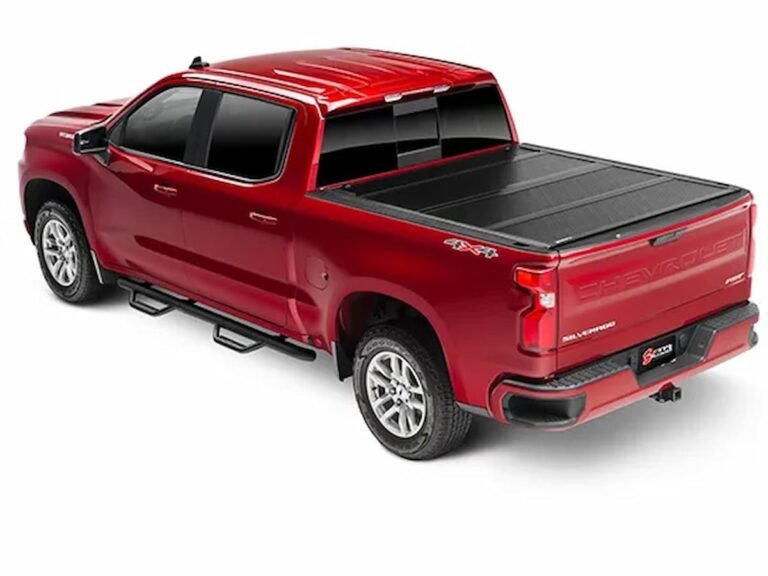
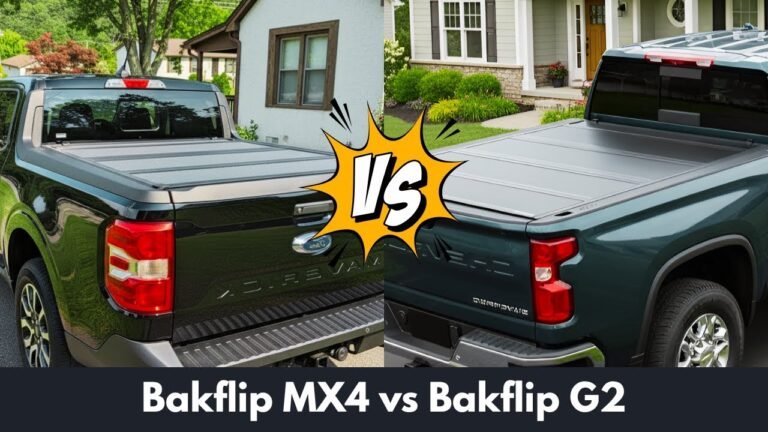
BAKFlip vs Rough Country Tonneau Covers
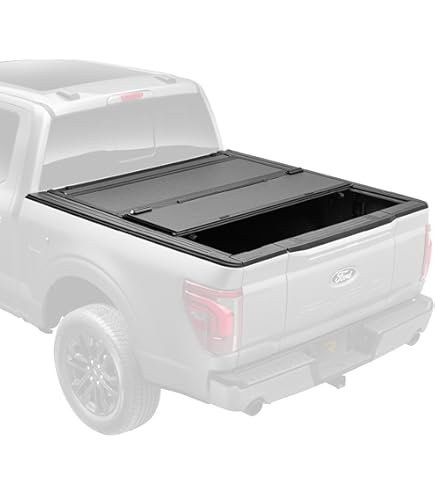
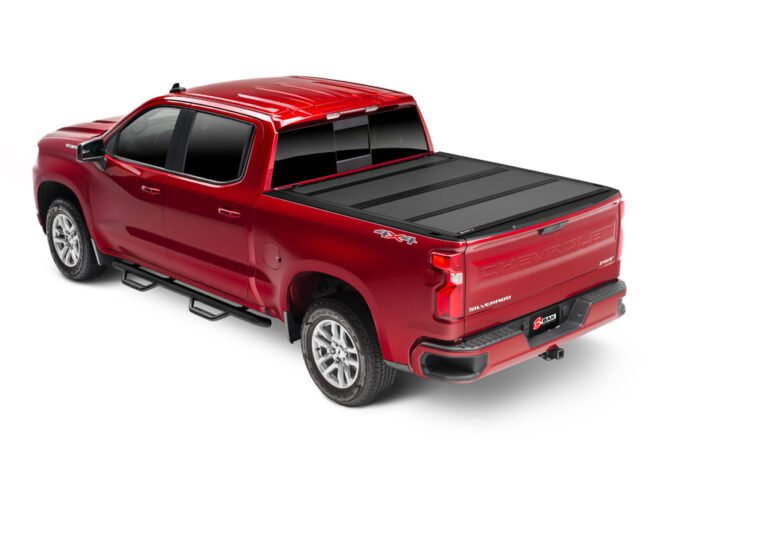
BAKFlip MX4 Premium Folding Cover
The BAKFlip MX4 represents premium aluminum construction with aircraft-grade aluminum panels and automotive-grade paint finish. Features a 4-fold design supporting 400 pounds evenly distributed weight capacity. Includes automatic latching system with weather-sealed edges and 5-year manufacturer warranty. Compatible with most truck accessories including bed liners and tonneau cover racks. Installation requires no drilling on most applications with clamp-on rail system. Maintains full bed access when completely folded against cab with dual-position opening options.
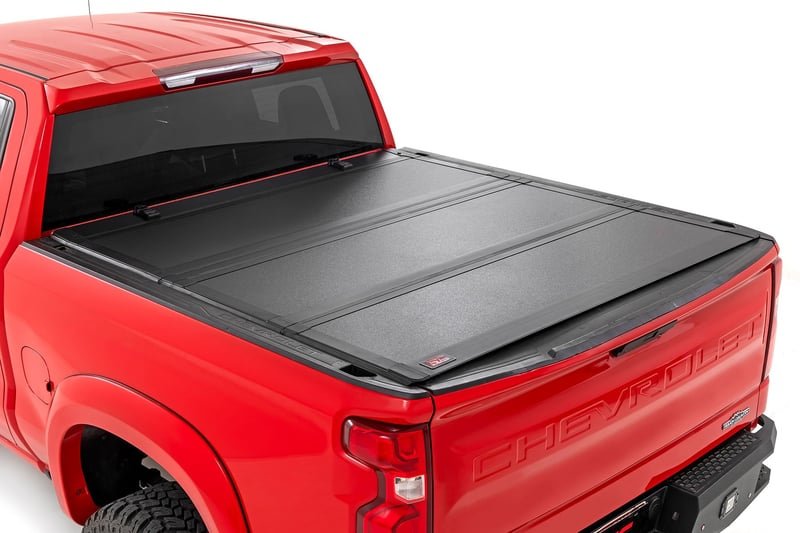
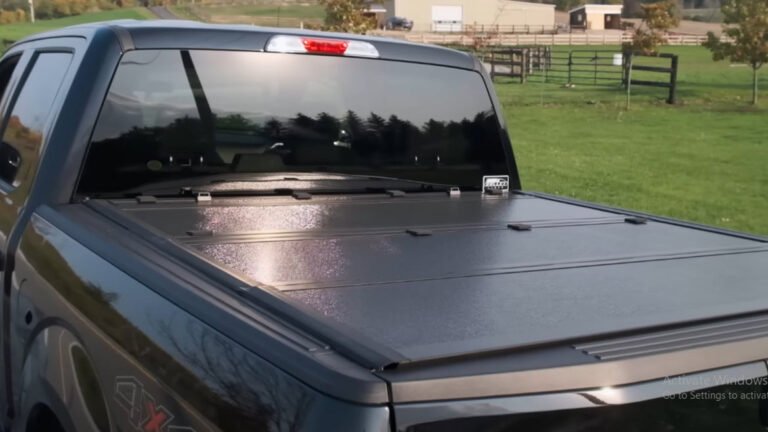
Rough Country Hard Folding Tonneau Cover
Rough Country’s hard folding cover features powder-coated aluminum construction with tri-fold design for basic weather protection. Supports 300 pounds distributed weight with manual latching system requiring key lock for security. Includes 3-year limited warranty and fits most full-size pickup trucks. Installation uses clamp-style mounting requiring minimal tools. Offers cost-effective alternative to premium covers while maintaining decent build quality for budget-conscious buyers. Available in black textured finish only with basic weather sealing.
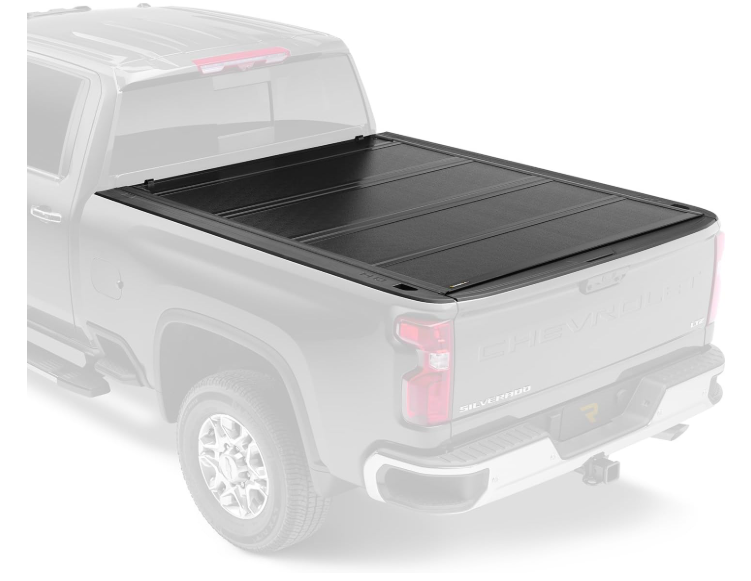
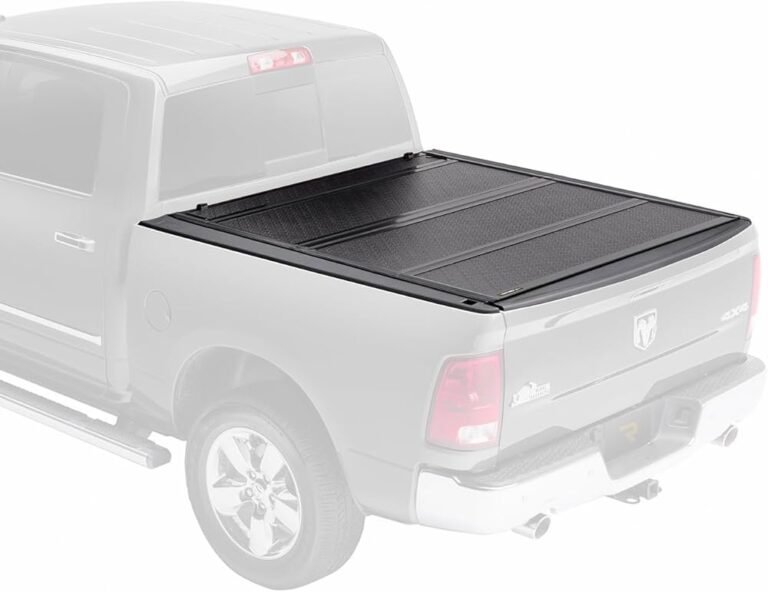
BAKFlip G2 Mid-Range Option
The BAKFlip G2 bridges premium and budget segments with solid aluminum construction at moderate pricing. Features 4-panel folding design with 300-pound weight capacity and improved weather sealing over entry-level competitors. Includes automatic latching mechanism and 2-year warranty coverage. Installation typically requires no drilling with universal clamp system fitting most truck bed configurations. Offers better long-term durability than Rough Country alternatives while remaining more affordable than the flagship MX4 model.
BAKFlip vs Rough Country: The Ultimate Comparison
When truck owners research bakflip vs rough country tonneau covers, they’re comparing two fundamentally different approaches to bed protection. BAKFlip represents premium engineering with decades of refinement, while Rough Country focuses on budget-friendly solutions for cost-conscious buyers. This comparison reveals significant differences in construction quality, durability, warranty coverage, and long-term value that impact your buying decision.
The choice between BAKFlip and Rough Country extends beyond initial purchase price. BAKFlip covers cost 40-60% more upfront but deliver superior materials, precision manufacturing, and comprehensive warranty support. Rough Country appeals to buyers prioritizing immediate savings over long-term performance. Understanding these fundamental differences helps you choose the right cover for your truck, budget, and usage requirements.
Professional installers consistently report quality differences between these brands. BAKFlip covers arrive with precise tolerances, complete hardware kits, and detailed instructions. Rough Country products sometimes require adjustments, additional sealing, or hardware modifications for proper fit. These installation differences affect both DIY success rates and professional installation times.
Construction Quality and Materials
BAKFlip employs aircraft-grade aluminum in panel construction with powder coating that withstands UV exposure for years without fading or chalking. Panel cores use closed-cell foam providing insulation and rigidity while maintaining lightweight operation. Hinges utilize stainless steel pins with polymer bushings for smooth operation through thousands of cycles.
Rough Country uses standard aluminum sheeting with basic powder coating that may fade or chip over time. Panel cores typically use open-cell foam or lightweight filler materials that compress under repeated loading. Hardware often features zinc-plated steel that can corrode in harsh weather conditions without regular maintenance.
The weight difference reflects material quality disparities. A BAKFlip MX4 for F-150 weighs approximately 110 pounds compared to Rough Country’s 85-pound equivalent. The extra weight comes from thicker aluminum, better insulation, and heavier-duty hardware that contributes to long-term durability and performance.
Performance Comparison: BAKFlip vs Rough Country
Real-world performance separates these brands significantly. BAKFlip covers maintain weather sealing for 5-7 years with minimal maintenance, while Rough Country covers may develop leaks within 2-3 years as seals degrade and panels shift. This performance difference matters when protecting valuable cargo or maintaining truck bed condition.
Weight capacity differences impact utility for work truck applications. BAKFlip models support 400 pounds evenly distributed on MX4 variants, allowing storage of heavy equipment or materials. Rough Country covers typically max out at 300 pounds and may sag or stress with regular heavy loading.
Security features favor BAKFlip with automatic latching mechanisms that engage without keys or manual locking. Rough Country covers often require manual latching or separate locking mechanisms that add complexity and potential failure points. The automatic systems also provide better weather sealing by maintaining consistent pressure around perimeter seals.
Weather Protection Analysis
Weather sealing represents the most critical performance difference in bakflip vs rough country comparisons. BAKFlip covers use dual-seal systems with primary and secondary barriers preventing water intrusion. Premium EPDM rubber seals maintain flexibility through temperature extremes while closed-cell foam cores prevent water absorption.
Rough Country covers typically employ single-seal systems with basic rubber strips that harden and crack sooner than premium materials. When seals fail, water enters truck beds causing rust, cargo damage, and unpleasant odors. Replacement seals for Rough Country covers can be difficult to source and may not restore original performance levels.
Drainage systems also differ significantly. BAKFlip covers include integrated drainage channels in side rails directing water away from cargo areas. Rough Country covers rely on basic guttering that can overflow during heavy rain or when debris blocks drain points.
Installation and Fit Differences
Installation experiences vary dramatically between these brands. BAKFlip covers arrive with truck-specific hardware and detailed instructions tailored to individual applications. Clamp systems fit precisely without gaps or misalignment issues. Most installations complete in 45-60 minutes with basic hand tools.
Rough Country covers use universal hardware kits requiring adjustments for proper fit. Clamps may not align perfectly with bed rail configurations, requiring shimming or modification. Installation times often extend to 90+ minutes as DIY installers work through fitment challenges and alignment issues.
Professional installers charge similar labor rates for both brands but report fewer callbacks and warranty issues with BAKFlip products. The precision manufacturing and complete hardware kits reduce installation problems that lead to customer dissatisfaction and additional service visits.
Warranty and Support Comparison
Warranty coverage reveals manufacturer confidence in product quality. BAKFlip offers 5-year warranties on premium models with comprehensive coverage including materials, workmanship, and finish defects. The warranty includes replacement parts and technical support through authorized dealer networks nationwide.
Rough Country provides 3-year limited warranties with more restrictions on coverage and claims procedures. Parts availability can be inconsistent, and warranty processing often requires longer wait times. The limited dealer network means less local support when problems arise.
Customer service quality differences impact ownership experience significantly. BAKFlip maintains dedicated tonneau cover support staff with product-specific training and technical expertise. Rough Country handles tonneau cover support through general customer service without specialized training or deep product knowledge.
Parts Availability and Replacement Costs
Long-term ownership costs include replacement parts and maintenance supplies. BAKFlip maintains extensive parts catalogs with components available through dealers and online retailers. Common wear items like seals, corner caps, and latches stock readily with competitive pricing.
Rough Country parts availability varies by age and model. Discontinued products lose support quickly as the company focuses resources on current production. When parts become unavailable, owners face complete cover replacement rather than simple component repairs.
Replacement part costs reflect the quality differences between brands. BAKFlip seal kits cost $60-80 but last 5-7 years. Rough Country seals cost $30-45 but may need replacement every 2-3 years. The apparent savings disappear when factoring in replacement frequency and installation labor.
Price Analysis: Initial Cost vs Long-Term Value
Price comparison requires analyzing both upfront costs and long-term ownership expenses. Rough Country covers cost $400-700 depending on truck model and features. BAKFlip covers range from $800-1,400 with premium models commanding higher prices. The 40-60% price premium for BAKFlip raises questions about value proposition.
However, total cost of ownership calculations often favor BAKFlip over 7-10 year periods. Superior durability reduces replacement frequency while better parts availability lowers maintenance costs. Professional installers report BAKFlip covers lasting 8-12 years compared to 4-6 years for Rough Country equivalents.
Resale value differences compound long-term value propositions. BAKFlip covers retain 60-70% of original value after five years due to brand reputation and continued functionality. Rough Country covers typically retain 30-40% value as buyers perceive them as budget alternatives requiring replacement sooner.
Financing and Payment Options
Many retailers offer financing options for premium tonneau covers making BAKFlip products more accessible to budget-conscious buyers. Monthly payments of $40-60 over 24 months make premium covers competitive with cheaper alternatives when considering performance benefits.
Rough Country’s lower prices appeal to cash buyers avoiding financing costs. However, the shorter lifespan means replacement purchases within 4-6 years. Financing one quality cover often costs less than buying two budget covers over the same period.
Commercial buyers and fleet managers increasingly choose BAKFlip for predictable ownership costs and reduced downtime from warranty issues. The higher upfront investment pays dividends through lower maintenance costs and improved reliability in demanding applications.
Truck Compatibility and Model Coverage
Both brands cover major truck models including Ford F-150, Chevrolet Silverado, RAM 1500, GMC Sierra, and Toyota Tundra. However, model coverage depth varies significantly between manufacturers.
BAKFlip offers extensive trim-specific applications including coverage for specialty models like F-150 Raptor, Silverado Trail Boss, and RAM Rebel. Engineering teams develop truck-specific mounting solutions accommodating unique bed rail configurations and factory accessories.
Rough Country uses universal mounting approaches with fewer truck-specific variations. This reduces manufacturing costs but may compromise fit quality on specialty trucks or models with unique bed configurations. Generic mounting can create gaps or misalignment issues affecting weather sealing and appearance.
Accessory Compatibility
Tonneau cover compatibility with other truck accessories affects utility for many owners. BAKFlip covers work with most bed liners including spray-in, drop-in, and OEM liner systems. Engineering teams test compatibility and provide specific installation instructions for common combinations.
Rough Country covers may require modifications for bed liner compatibility or other accessory integration. The universal mounting approach doesn’t account for accessory variations that affect fitment. This can lead to installation challenges or compromised weather sealing when multiple accessories combine.
Rack systems, bed extenders, and toolbox compatibility also favor BAKFlip with engineered solutions for common combinations. Rough Country covers work with some accessories but may require custom modifications or compromises in functionality.
Special Applications and Custom Solutions
Work truck applications with demanding requirements often favor BAKFlip for superior durability and weather protection. Construction, landscaping, and service industries report better performance and lower maintenance costs with premium covers.
Rough Country covers work adequately for recreational applications and light-duty use where cost considerations outweigh performance requirements. Weekend warriors and occasional truck users may find basic functionality sufficient for their needs.
Custom applications requiring modifications favor BAKFlip due to better parts availability and dealer support. Complex installations or unique truck configurations receive better support through BAKFlip’s dealer network and technical assistance programs.
Installation Experience and DIY Considerations
DIY installation success rates differ significantly between these brands. BAKFlip covers include comprehensive installation kits with truck-specific hardware, detailed instructions, and video support resources. Most mechanically inclined owners complete installation successfully without professional assistance.
Rough Country covers may require additional tools or modifications not included in basic kits. Universal hardware sometimes needs adjustment or shimming for proper fit. DIY installers report frustration with incomplete instructions and generic guidance that doesn’t address truck-specific challenges.
Professional installation costs remain similar for both brands, but success rates favor BAKFlip with fewer warranty callbacks and customer satisfaction issues. The precision engineering and complete hardware kits reduce installation problems that affect long-term performance.
Common Installation Challenges
Bed rail variations between truck models create fitment challenges for universal covers. BAKFlip addresses these with truck-specific clamp designs that accommodate rail shape differences without modification. This ensures proper clamping force and weather sealing across diverse applications.
Rough Country covers sometimes require clamp modifications or additional sealing to address fitment issues. These modifications can void warranty coverage and create long-term durability concerns. Professional installers stock additional parts to address common fitment problems.
Drainage integration challenges affect both brands but BAKFlip provides better documentation for proper drain tube routing and connection. Poor drainage setup leads to water accumulation and potential bed damage over time.
User Experience and Daily Operation
Daily operation differences affect owner satisfaction significantly. BAKFlip covers operate smoothly with well-balanced panels and quality hinges that function effortlessly through temperature extremes. Automatic latching systems engage reliably without requiring key operations for basic security.
Rough Country covers may develop operational issues as hinges wear and panels sag. Manual latching systems require keys for security and may stick or bind over time. These operational problems frustrate owners and reduce cover usage frequency.
Panel folding positions offer different functionality levels. BAKFlip covers provide multiple folding configurations including partial opening for tall cargo and complete folding for full bed access. Rough Country covers typically offer fewer position options limiting versatility.
Maintenance Requirements
Maintenance schedules differ based on construction quality and component durability. BAKFlip covers require quarterly cleaning and annual lubrication of hinges and latches. High-quality seals and hardware maintain performance with minimal intervention.
Rough Country covers may need more frequent maintenance including seal adjustments, hardware retightening, and earlier component replacement. The basic construction requires more attention to maintain weather sealing and operational smoothness.
Cleaning requirements favor BAKFlip with superior paint finishes that resist staining and maintain appearance longer. Rough Country covers may require more aggressive cleaning methods that can damage finishes over time.
Making the Right Choice: BAKFlip vs Rough Country
Choosing between BAKFlip and Rough Country tonneau covers depends on your priorities, budget, and usage requirements. BAKFlip serves owners prioritizing quality, durability, and long-term value. Rough Country appeals to buyers prioritizing initial cost savings over premium features and longevity.
Consider BAKFlip if you plan to keep your truck for many years, use it for work applications, or prioritize weather protection and security. The premium construction and comprehensive warranty support justify higher initial costs through superior performance and longevity.
Choose Rough Country if budget constraints limit options or if your usage requirements don’t demand premium performance. Weekend recreational use or basic cargo protection needs may not justify premium cover investments.
Decision Framework
Evaluate your needs using these criteria: annual usage frequency, cargo value protection needs, climate conditions, and truck replacement timeline. High-use applications in harsh climates protecting valuable cargo favor BAKFlip. Light-use applications in mild climates with basic protection needs may accept Rough Country trade-offs.
Budget analysis should include total ownership costs rather than initial purchase price alone. Factor in expected lifespan, maintenance costs, parts availability, and resale value when comparing alternatives.
Professional recommendations consistently favor BAKFlip for overall value proposition despite higher initial costs. The combination of superior materials, engineering, warranty support, and longevity typically provides better value over typical ownership periods.
Final Recommendations
For most truck owners, BAKFlip represents the better long-term investment in the bakflip vs rough country comparison. The superior construction quality, comprehensive warranty, and proven durability justify premium pricing through better total ownership value.
Rough Country serves budget-conscious buyers accepting trade-offs in longevity and performance for immediate cost savings. This choice makes sense for specific applications where premium features aren’t necessary or justified.
Regardless of brand choice, purchase through authorized dealers ensuring warranty coverage and proper installation support. Both brands perform better with professional installation and regular maintenance schedules.