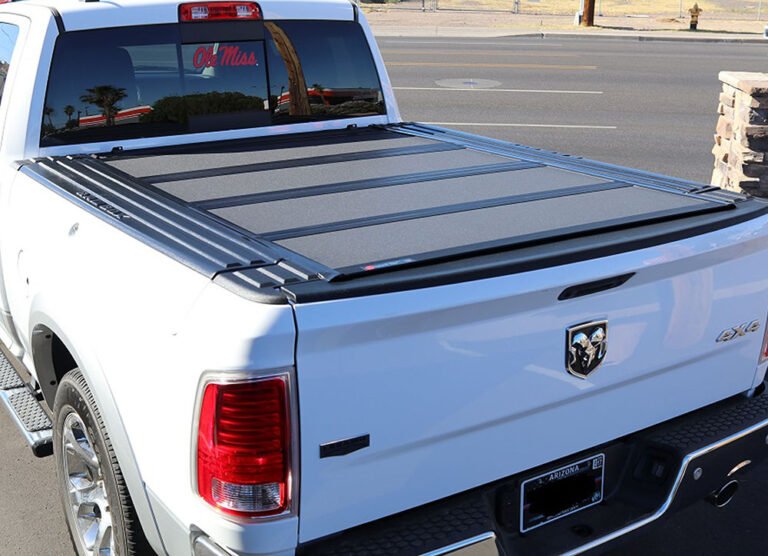
BAKFlip Bed Cover Complete Guide
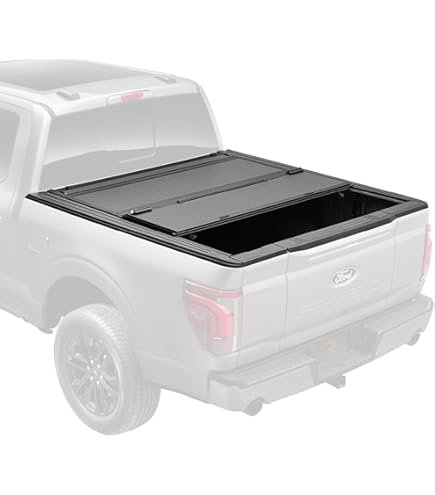
BAKFlip MX4 Aluminum Tonneau Cover
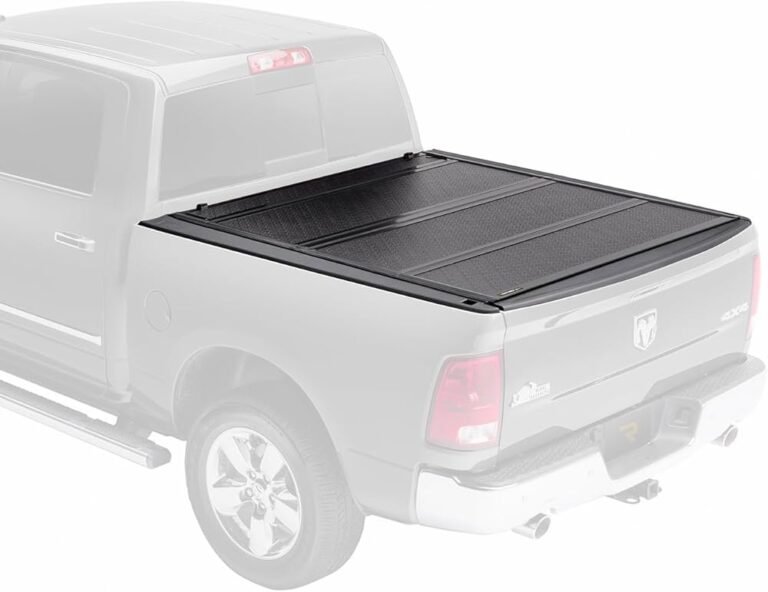
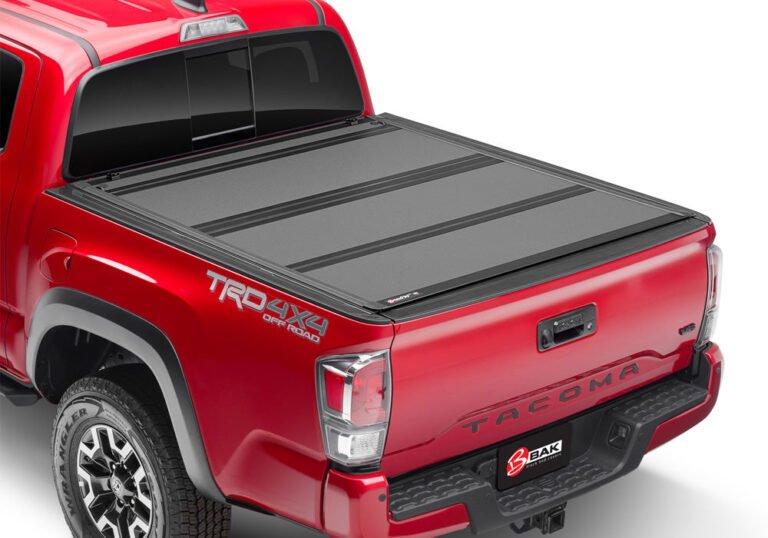
The flagship MX4 model represents the gold standard in folding bed covers with premium aluminum construction and advanced engineering. Features four folding panels with integrated drainage system preventing water accumulation. No-drill installation uses heavy-duty clamps compatible with most bed rail systems. Weight capacity supports 300 pounds evenly distributed across closed panels. Automatic latching system engages without manual locking. Available for Ford F-150, Chevy Silverado, RAM 1500, Toyota Tundra, and GMC Sierra in all bed lengths. Includes comprehensive parts diagram and bakflip bed cover parts availability for long-term maintenance.
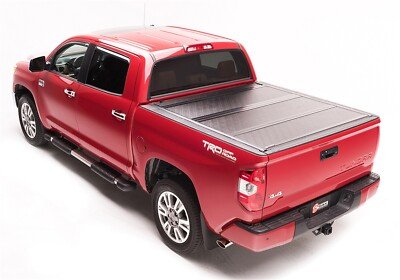
BAKFlip G2 Folding Hard Cover
The G2 offers premium performance at a more accessible price point with three folding panels instead of four. Maintains the same aluminum construction and weather sealing as higher-end models. Simplified operation appeals to users preferring fewer moving parts while retaining full bed access capability. Supports 200 pounds distributed weight with reinforced hinge construction. Features integrated rail drainage and rubber seal system. Compatible with most truck accessories including bed liners and toolboxes. All bakflip bed cover parts interchange with other G-series models for simplified maintenance and repairs.
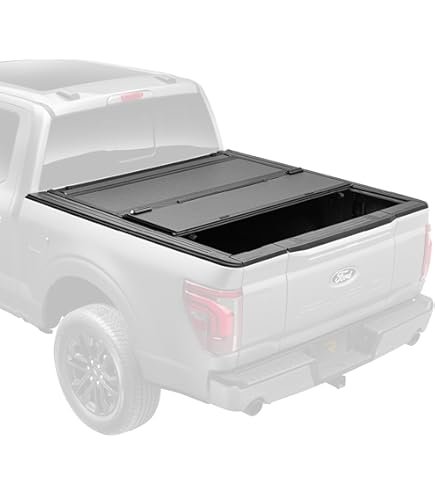
BAKFlip F1 Entry-Level Hard Cover
The F1 delivers essential protection with simplified construction for budget-conscious truck owners. Two-panel design folds completely against cab for full bed access. Aluminum panels with foam core provide insulation and impact resistance. Streamlined hardware reduces complexity while maintaining secure attachment. Manual latching system requires user engagement but eliminates spring mechanisms prone to failure. Ideal for occasional haulers not needing frequent panel manipulation. Standard bakflip bed cover parts compatibility ensures repair options remain available. Perfect introduction to BAKFlip quality without premium pricing.
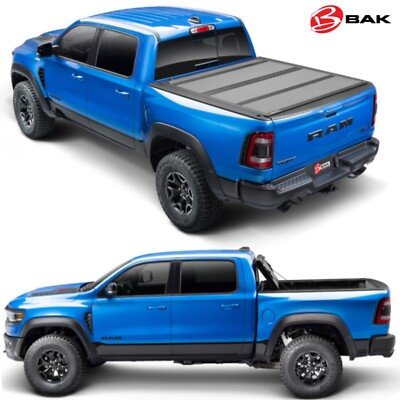
BAKFlip Replacement Parts Kit
Essential maintenance components including corner caps, perimeter seals, latch mechanisms, and mounting hardware. Genuine BAK Industries parts ensure exact fit and maintain warranty coverage. Corner caps protect panel edges from impact damage while maintaining weatherproof sealing. EPDM rubber seals resist UV degradation and temperature extremes. Spring-loaded latches provide automatic engagement with proper tension adjustment. Complete hardware sets include stainless steel clamps and fasteners. Comprehensive parts diagram helps identify specific bakflip bed cover parts needed for repairs. Professional installation recommended for complex components.
Understanding BAKFlip Bed Cover Construction
BAKFlip tonneau covers represent the pinnacle of aluminum folding bed cover engineering, combining lightweight construction with exceptional durability. Every model uses extruded aluminum panels with high-density foam cores providing insulation and impact resistance. This construction method delivers strength-to-weight ratios impossible with steel while maintaining reasonable pricing compared to carbon fiber alternatives.
The folding panel design allows complete bed access without removing the entire cover—a critical advantage over one-piece hard covers. Panels fold forward against the cab or backward against the tailgate depending on your cargo needs. Heavy-duty hinges use stainless steel pins and polymer bushings lasting years longer than cheaper alternatives found on competitive products.
Integrated drainage systems prevent water accumulation on panel surfaces while directing runoff away from cargo areas. Side rails include molded channels collecting water and debris, routing them toward drain holes near the tailgate. This engineering prevents the water pooling common with flat tonneau covers that lack proper drainage consideration.
Weather sealing uses multi-component systems including perimeter seals, hinge seals, and compression gaskets. EPDM rubber compounds resist UV degradation and maintain flexibility through temperature extremes from -40°F to 180°F. Properly maintained seals provide weatherproof protection for years before requiring replacement with genuine bakflip bed cover parts.
Panel Engineering and Load Capacity
Each aluminum panel incorporates structural ribs providing exceptional strength while keeping weight manageable. The MX4’s four-panel design distributes loads more evenly than three-panel alternatives, supporting up to 300 pounds of evenly distributed weight. This capacity handles everything from camping gear to construction materials without panel deflection.
Foam core construction serves multiple purposes beyond simple impact protection. The closed-cell foam provides thermal insulation keeping cargo temperatures more stable. It also dampens vibration and road noise while adding structural rigidity to relatively thin aluminum skins. This multi-functional approach maximizes performance while minimizing complexity.
Corner caps protect vulnerable panel edges from impact damage and wear. These high-impact ABS plastic components absorb punishment that would crack aluminum edges. They also maintain critical seal compression preventing water intrusion. When corner caps show wear or damage, prompt replacement with genuine bakflip bed cover parts prevents more expensive panel repairs.
Installation and Mounting Systems
BAKFlip covers use no-drill clamp systems on most truck applications, preserving bed rail integrity and resale value. Heavy-duty aluminum clamps distribute clamping forces across wide contact areas preventing rail damage from over-tightening. Rubber cushions between clamps and bed rails prevent paint scratches during installation and use.
Some applications require drilling for optimal security, particularly on trucks with unusual bed rail configurations. BAK provides detailed drilling templates and instructions ensuring accurate hole placement. Stainless steel hardware resists corrosion while maintaining secure attachment through years of use.
Professional installation typically takes 60-90 minutes depending on truck complexity and installer experience. DIY installation requires basic hand tools and mechanical aptitude but saves $200-300 in labor charges. BAK’s comprehensive instructions include truck-specific notes addressing common installation challenges.
BAKFlip Model Comparison and Selection
Choosing the right BAKFlip model depends on usage patterns, budget considerations, and specific feature requirements. The MX4 suits users needing maximum versatility and premium features. The G2 appeals to those wanting solid performance without complexity. The F1 serves budget-conscious buyers prioritizing basic protection over advanced features.
MX4 Advanced Features
The MX4’s four-panel design provides unmatched versatility for varied cargo requirements. Panels fold independently allowing partial bed access without exposing entire cargo areas. This proves invaluable when hauling mixed loads requiring different protection levels throughout the bed.
Advanced automatic latching eliminates manual engagement common on entry-level covers. Spring-loaded mechanisms engage automatically as panels close, providing immediate security without extra steps. When these mechanisms require attention, replacement bakflip bed cover parts restore original automatic operation.
Integrated LED lighting compatibility accommodates aftermarket bed lighting systems without modifications. Wiring channels route power cables cleanly while maintaining weather sealing. This forward-thinking design anticipates common accessories truck owners add over time.
G2 Balanced Performance
The G2’s three-panel configuration simplifies operation while maintaining excellent functionality. Fewer moving parts mean fewer potential failure points and reduced maintenance requirements. Many users prefer this straightforward approach over the MX4’s added complexity.
Simplified hardware reduces installation time and ongoing maintenance needs. Fewer latches, hinges, and seals mean lower long-term costs for replacement parts. This makes the G2 attractive for commercial users prioritizing durability over convenience features.
Performance differences between G2 and MX4 models remain minimal in real-world use. Both provide excellent weather protection, security, and durability. Choice often comes down to personal preference regarding panel quantity and automatic versus manual latching systems.
F1 Essential Protection
The F1’s two-panel design maximizes simplicity while providing solid protection. Manual latching eliminates spring mechanisms reducing potential maintenance issues. This appeals to users preferring mechanical simplicity over convenience features.
Reduced complexity translates to lower acquisition and maintenance costs. Fewer bakflip bed cover parts mean smaller inventory requirements for service providers. The F1 proves ideal for fleet applications where simplicity and cost control take precedence over luxury features.
Despite entry-level positioning, the F1 maintains BAKFlip quality standards. Aluminum construction, proper drainage, and effective weather sealing match higher-end models. Only convenience features and panel quantity differ—core protection remains excellent.
Essential BAKFlip Bed Cover Parts
Understanding common replacement parts helps truck owners budget for maintenance and identify problems before they cause expensive damage. Most bakflip bed cover parts fall into predictable wear categories based on usage patterns and environmental exposure.
High-Wear Components
Corner caps experience constant abuse from cargo loading and environmental exposure. These ABS plastic components protect aluminum panel edges while maintaining seal compression. Typical lifespan runs 5-7 years before cracking or loosening requires replacement. Genuine BAK corner caps maintain exact dimensions ensuring proper fit and seal integrity.
Rubber seals throughout the system degrade from UV exposure and ozone. Perimeter seals, hinge seals, and compression gaskets gradually lose flexibility and compression capability. Seal replacement every 4-6 years maintains weatherproof performance. Using genuine bakflip bed cover parts ensures proper materials and fitment.
Latch mechanisms see thousands of operation cycles causing spring fatigue and wear. Automatic latches require more frequent attention than manual systems due to increased complexity. Springs lose tension, buckles wear, and engagement surfaces develop play. Prompt replacement maintains security and prevents panels from opening unexpectedly.
Structural Components
Side rails rarely require replacement unless damaged by accidents or improper installation. Extruded aluminum construction handles normal use stresses easily. However, overtightening clamps can crack rails requiring expensive replacement. Following torque specifications prevents this costly damage.
Panels themselves prove extremely durable but major impacts can cause damage. Falling objects, hail storms, or accidents may crack panels or damage foam cores. Panel replacement requires professional service due to complexity and alignment requirements. Comprehensive insurance coverage helps manage these unexpected costs.
Mounting hardware experiences corrosion and wear over time. Stainless steel components last years but eventually show wear from repeated tightening and environmental exposure. Complete hardware kits provide all clamps, bolts, and fasteners for refresh installations. Having spare bakflip bed cover parts prevents delays when hardware fails.
Maintenance Supplies
Proper maintenance requires specific lubricants and cleaning products. Silicone spray keeps seals flexible and maintains hinge operation. Dry lubricants prevent dirt accumulation while providing corrosion protection. Avoid petroleum-based products that damage rubber components.
Specialized cleaning products remove stubborn stains and oxidation without damaging aluminum finishes. Mild detergents work for routine cleaning but tough stains require aluminum-safe cleaners. Regular maintenance extends component life reducing replacement frequency.
Replacement manuals and parts diagrams help identify specific component requirements. BAK provides comprehensive documentation showing exploded views with part numbers. Having these references simplifies ordering genuine bakflip bed cover parts and planning maintenance schedules.
Installation Process and Requirements
Proper installation ensures optimal performance and longevity from your BAKFlip bed cover. While professional installation guarantees correct results, many truck owners successfully complete DIY installations using BAK’s comprehensive instructions and basic hand tools.
Pre-Installation Preparation
Measure your truck bed precisely to verify cover compatibility before installation begins. Standard bed lengths include 5.5ft, 6.5ft, and 8ft configurations, but actual dimensions vary slightly between manufacturers. Incorrect sizing causes operational problems and poor weather sealing.
Clean bed rails thoroughly removing dirt, wax, and debris that prevents proper clamp adhesion. Inspect bed rails for damage, dents, or modifications affecting clamp placement. Address any issues before proceeding with installation to ensure secure mounting.
Inventory all components against the parts list and installation manual. Missing hardware causes installation delays and potential trips to dealers. Verify you have proper tools including socket wrenches, torque wrench, and basic hand tools specified in instructions.
Clamp Installation Process
Position clamps at specified locations using measurement marks provided in installation instructions. Proper spacing ensures even load distribution and prevents rail damage from concentrated forces. Mark clamp locations before final tightening to verify accuracy.
Tighten clamps to specified torque values using a calibrated torque wrench. Over-tightening cracks bed rails requiring expensive repairs. Under-tightening allows movement causing wear and potential failure. Following specifications prevents both problems while ensuring secure attachment.
Install rubber cushions between clamps and bed rails to prevent paint damage. These protective elements distribute clamping forces while providing vibration dampening. Replace cushions with genuine bakflip bed cover parts when they show compression or damage.
Panel Alignment and Adjustment
Proper panel alignment ensures weatherproof sealing and smooth operation. Panels must sit flush against seals without binding or excessive gaps. Adjustment procedures in installation manuals address common alignment issues during initial setup.
Test latch operation before final adjustments to ensure proper engagement and release. Latches should engage automatically with gentle pressure while releasing easily without excessive force. Adjustment screws fine-tune latch tension and engagement timing.
Verify drainage system operation by testing water flow through channels and drain holes. Blocked drainage causes water accumulation and potential leaks. Clear any debris during installation and establish regular cleaning schedules to maintain proper drainage.
Truck Compatibility and Fitment
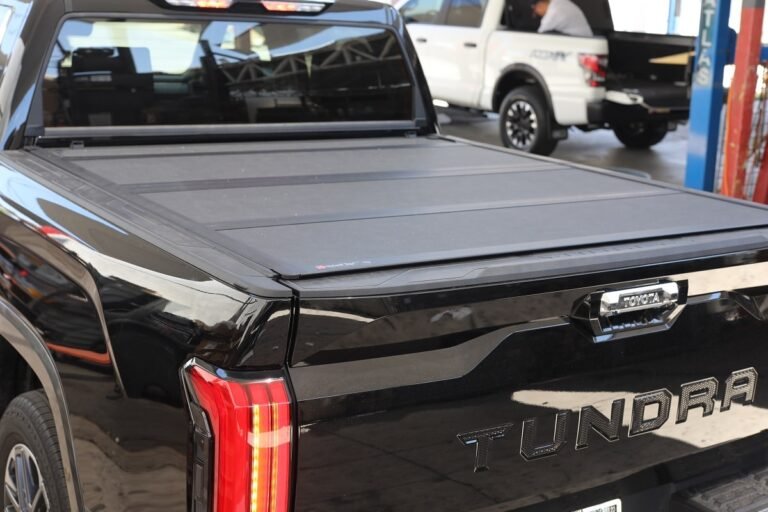
BAKFlip covers accommodate most popular truck models with specific part numbers for each application. Ford F-150, Chevrolet Silverado, RAM 1500, Toyota Tundra, and GMC Sierra represent core applications with complete parts support and installation documentation.
Ford F-150 Applications
The F-150 represents BAKFlip’s largest single application with coverage spanning multiple generations and bed configurations. Standard cab, SuperCab, and SuperCrew models each require specific measurements for proper fitment. Bed length options include 5.5ft, 6.5ft, and 8ft configurations.
F-150 installations typically use no-drill clamp systems preserving bed rail integrity. Heavy-duty clamps accommodate Ford’s unique rail profiles while providing secure attachment. Special considerations apply to trucks with bed liners, toolboxes, or other accessories affecting clamp placement.
Recent F-150 models include integrated tie-down points that may interfere with clamp placement. BAK provides truck-specific instructions addressing these challenges with alternative mounting solutions. Always verify compatibility with your specific model year and configuration before ordering.
GM Silverado and Sierra
Chevrolet Silverado and GMC Sierra share identical bed dimensions and mounting points using the same BAKFlip part numbers. Regular cab, extended cab, and crew cab configurations accommodate different bed lengths while maintaining consistent rail profiles.
GM applications benefit from robust bed rail construction handling clamp loads easily without reinforcement. Standard installations complete quickly using provided hardware and instructions. Bed liner compatibility varies by liner type and manufacturer requiring case-by-case evaluation.
HD (Heavy Duty) models use reinforced bed construction requiring different clamp configurations. Verify your truck’s payload rating and bed specifications when ordering to ensure proper fitment. Using incorrect parts causes operational problems and potential damage.
RAM 1500 Considerations
RAM 1500 trucks present unique challenges due to bed rail variations across model years. Some applications require drilling for secure attachment while others use clamp systems. Bed length measurements differ slightly from Ford and GM requiring RAM-specific part numbers.
RamBox cargo management systems affect cover compatibility requiring special consideration during ordering. Standard covers don’t accommodate RamBox rails necessitating specific part numbers designed for these applications. Verify your truck’s configuration before ordering to ensure compatibility.
Classic and DT series RAMs use different bed profiles requiring generation-specific fitment. Model year changes sometimes affect mounting points and rail dimensions. Reference BAK’s truck compatibility guide for definitive fitment information and proper part number selection.
Maintenance and Care Guidelines
Regular maintenance extends BAKFlip cover life while maintaining optimal performance. Simple care routines prevent premature component wear and catch problems before they require expensive bakflip bed cover parts replacement.
Cleaning and Inspection Schedule
Wash your cover monthly or more frequently in harsh environments using mild automotive soap and water. Avoid pressure washing directly on seals which can force water past compression barriers or dislodge adhesive backing. Gentle brushing removes accumulated dirt and debris from panel gaps and hinges.
Inspect seals quarterly for cracking, hardening, or compression loss. Healthy seals feel soft and springy, bouncing back after compression. Worn seals remain compressed or show visible cracking requiring prompt replacement with genuine components. Early replacement prevents water damage and maintains cargo protection.
Check latch operation monthly to catch spring tension loss or mechanical wear before complete failure. Latches should engage automatically with gentle panel closure while releasing easily without excessive force. Difficulty operating latches signals impending component failure requiring attention.
Lubrication Requirements
Apply silicone spray to all seals every three months keeping rubber supple and maintaining compression. Avoid petroleum-based lubricants that degrade rubber compounds accelerating crack formation. Light coating prevents dust accumulation while extending seal life significantly.
Lubricate hinges and latch mechanisms twice yearly with dry lubricant preventing corrosion while maintaining smooth operation. Remove excess lubricant that attracts dirt causing accelerated wear. Focus on pivot points, spring housings, and engagement surfaces seeing regular movement.
Drainage channels require periodic cleaning to maintain proper water flow. Use compressed air or small brushes clearing accumulated debris from channels and drain holes. Blocked drainage causes water backup potentially leading to leaks and cargo damage.
Seasonal Care Requirements
Winter preparation includes extra lubrication preventing moisture-related corrosion during storage. Remove snow and ice promptly to prevent excessive loads on panels and hinges. Avoid forcing frozen components which can crack plastic parts or damage seals.
Summer care focuses on UV protection and cooling. Park in shade when possible reducing thermal cycling stress on components. Extra seal lubrication prevents heat-related hardening while maintaining flexibility through temperature extremes.
Spring inspection should identify winter damage requiring attention before the busy season begins. Replace worn bakflip bed cover parts promptly preventing small problems from becoming expensive repairs. Annual comprehensive inspection catches issues requiring professional attention.
Troubleshooting Common Issues
Understanding common BAKFlip problems helps truck owners identify issues early and implement appropriate solutions. Many problems stem from worn bakflip bed cover parts or insufficient maintenance rather than fundamental design flaws.
Water Leaks
Panel gaps allowing water intrusion typically indicate worn perimeter seals or improper alignment. Inspect seals for cracking, hardening, or compression loss requiring replacement. Misaligned panels create gaps that functional seals cannot bridge requiring professional adjustment.
Hinge area leaks suggest failed hinge seals allowing water passage between panels. These flexible seals experience significant stress during folding operations eventually cracking or loosening. Replacement requires partial disassembly but restores weatherproof protection.
Drainage system failures cause water accumulation on panel surfaces or in bed corners. Clear blocked drain channels and verify proper water flow during testing. Persistent drainage issues may indicate structural problems requiring professional diagnosis.
Operating Difficulties
Stiff or binding panels often result from insufficient lubrication or accumulated debris in hinges and pivot points. Clean and lubricate all moving components addressing binding sources. Persistent problems may indicate worn bushings or damaged hinges requiring replacement.
Latch engagement problems typically stem from weakened springs or misadjusted mechanisms. Spring replacement restores proper engagement force while adjustment procedures correct timing and alignment. Severely worn latches require complete mechanism replacement.
Panel alignment issues create uneven gaps and poor sealing. Professional adjustment procedures restore proper alignment while identifying underlying causes. Bent rails or damaged mounting points may require structural repairs beyond simple adjustments.
Hardware Problems
Loose clamps allow cover movement and operational problems. Re-torque clamps to specification checking for damaged threads or worn components. Repeatedly loosening clamps indicate over-tightening damage requiring rail inspection and possible repair.
Corrosion affects hardware longevity and appearance. Stainless steel components resist corrosion but eventually show wear in harsh environments. Replace corroded hardware with genuine bakflip bed cover parts maintaining secure attachment and professional appearance.
Missing hardware creates security and operational risks. Complete hardware kits provide all necessary components for restoration. Keep spare fasteners and clips available for field repairs preventing operational delays from minor hardware loss.
Warranty and Support Services
BAKFlip covers include comprehensive warranty coverage protecting against manufacturing defects while providing peace of mind for truck owners investing in premium bed protection. Understanding warranty terms helps maximize coverage while avoiding actions that void protection.
Warranty Coverage Details
The standard 5-year limited warranty covers materials and workmanship defects from original purchase date. Structural failures, premature component wear, and manufacturing flaws receive coverage when caused by defective materials or construction rather than normal wear or misuse.
Warranty covers replacement bakflip bed cover parts but not installation labor costs. Approved warranty claims receive genuine replacement components shipped at no charge. Professional installation remains the owner’s responsibility unless dealers provide courtesy labor.
Commercial use may affect warranty terms depending on specific application and usage intensity. Fleet applications often exceed residential use parameters that standard warranties cover. Check warranty documentation for commercial use restrictions and extended coverage options.
Warranty Claim Process
Contact BAK Industries customer service with clear photos and problem descriptions when issues arise. Include your cover’s serial number and original purchase information for claim processing. Detailed documentation helps expedite claim evaluation and approval.
BAK evaluates claims based on failure patterns and usage conditions determining if manufacturing defects caused problems. Normal wear, accident damage, and installation errors fall outside warranty coverage. Honest assessment of failure circumstances improves claim success rates.
Approved claims receive replacement components shipped to your designated address or authorized dealer. Installation instructions accompany complex components while simple parts include basic replacement procedures. Professional installation ensures correct results and maintains warranty coverage.
Technical Support Resources
BAK Industries provides comprehensive technical support including installation assistance, troubleshooting guidance, and parts identification services. Knowledgeable staff helps diagnose problems and recommend appropriate solutions whether warranty-covered or maintenance-related.
Online resources include installation videos, parts diagrams, and FAQ sections addressing common questions and procedures. These self-service options provide immediate assistance for routine maintenance and basic troubleshooting without waiting for phone support.
Authorized dealers offer local support and professional services including installation, maintenance, and warranty work. Use BAK’s dealer locator finding nearby service providers stocking genuine bakflip bed cover parts and offering expert installation services.
Cost Considerations and Value Analysis
Understanding BAKFlip ownership costs helps truck owners budget appropriately while maximizing value from their tonneau cover investment. Initial purchase price represents only part of total ownership costs including maintenance, repairs, and eventual replacement components.
Initial Investment Analysis
BAKFlip covers range from $800-1,400 depending on model and truck application. The MX4 commands premium pricing reflecting advanced features and four-panel construction. The G2 offers solid middle-ground performance while the F1 provides entry-level access to BAKFlip quality.
Professional installation adds $200-300 to initial costs but ensures correct results and maintains warranty coverage. DIY installation saves labor charges but requires tools, time, and mechanical aptitude. Incorrect installation may void warranty or cause operational problems.
Compare total costs against alternative bed protection methods including soft covers, one-piece hard covers, and bed caps. BAKFlip’s combination of security, weather protection, and cargo accessibility often justifies premium pricing for active truck users.
Operating Cost Breakdown
Annual maintenance costs average $30-50 including lubricants, cleaning supplies, and minor adjustments. Seal replacement every 4-6 years costs $60-100 while corner caps need replacement every 5-7 years at $40-60. Hardware refresh every 7-10 years runs $50-80.
Major component failures like panel damage or rail replacement can cost $200-500 but occur rarely under normal use. Comprehensive vehicle insurance may cover accident-related damage reducing out-of-pocket expenses for catastrophic failures.
Using genuine bakflip bed cover parts extends service intervals while maintaining performance. Cheap aftermarket components require more frequent replacement ultimately costing more than OEM parts while potentially voiding warranty coverage.
Resale Value Impact
Quality tonneau covers like BAKFlip add $500-800 to truck resale value while protecting bed condition through years of use. Maintained covers transfer to new owners providing continued value. Worn or damaged covers detract from appearance reducing resale appeal.
Document maintenance history including parts replacements and service records when selling. Buyers appreciate evidence of proper care and genuine component usage. Complete documentation supports asking prices and speeds sale negotiations.
Remove severely damaged covers before sale rather than negatively impacting overall truck value. Worn covers suggest neglect while clean truck beds maintain universal appeal. Invest in restoration or removal rather than hurting overall truck marketability.
Frequently Asked Questions
What bakflip bed cover parts need replacement most frequently?
Corner caps and rubber seals require replacement most often due to environmental exposure and regular use. Corner caps typically last 5-7 years before cracking while seals need replacement every 4-6 years as UV exposure causes hardening. Latch mechanisms need attention every 6-8 years as springs lose tension from repeated cycling.
Can I install BAKFlip covers myself or do I need professional installation?
Most truck owners can complete DIY installation using basic hand tools and BAK’s comprehensive instructions. Installation typically takes 2-4 hours depending on experience level. However, professional installation ensures correct results, maintains warranty coverage, and includes adjustment services. Consider professional installation if you lack tools or mechanical experience.
How do I determine which BAKFlip model fits my truck?
Use BAK Industries’ online fit guide entering your truck’s year, make, model, and bed length. Measure bed length from inside bulkhead to inside tailgate for accuracy. Common lengths include 5.5ft, 6.5ft, and 8ft but actual dimensions vary between manufacturers. Verify compatibility before ordering to ensure proper fitment.
Will BAKFlip covers work with bed liners and other accessories?
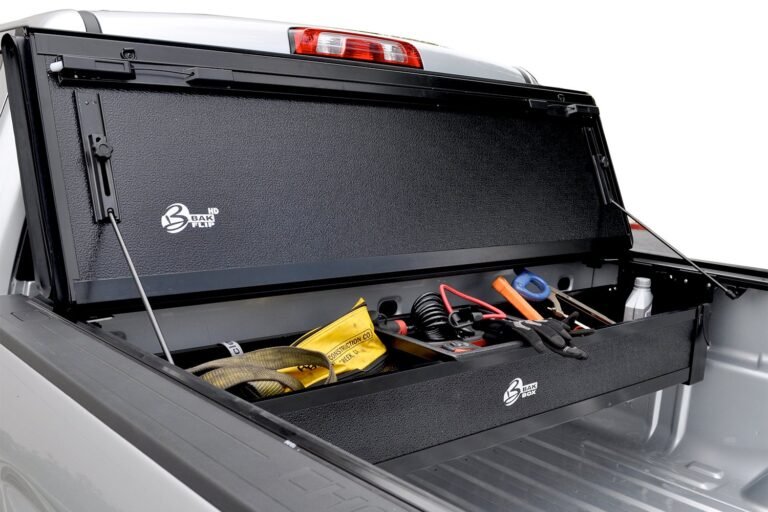
Most BAKFlip models accommodate spray-in bed liners and drop-in liners with minor adjustments. Toolboxes, bed extenders, and cargo management systems may affect compatibility requiring case-by-case evaluation. Contact BAK Industries with specific accessory details for compatibility verification before ordering.
How do I maintain weatherproof sealing over time?
Apply silicone spray to all rubber seals every three months keeping them flexible and maintaining compression. Inspect seals quarterly for cracking or hardening requiring replacement. Clean drainage channels regularly preventing water backup. Replace worn bakflip bed cover parts promptly maintaining weatherproof protection.
What warranty coverage do BAKFlip covers include?
BAKFlip covers include a 5-year limited warranty covering manufacturing defects in materials and workmanship. Warranty covers replacement parts but not installation labor. Normal wear, accident damage, and modifications void coverage. Using genuine bakflip bed cover parts maintains warranty validity throughout the coverage period.
Are aftermarket parts compatible with BAKFlip covers?
While some aftermarket components may physically fit, using non-genuine parts voids warranty coverage and often provides inferior performance. Genuine bakflip bed cover parts ensure exact fit, proper materials, and maintained warranty protection. The cost savings from aftermarket parts rarely justify the risks of poor fit, premature failure, and voided warranties.
How do BAKFlip covers perform in extreme weather?
BAKFlip covers operate reliably in temperatures from -40°F to 180°F using materials selected for extreme weather performance. Snow loads up to 300 pounds are supported when evenly distributed. Avoid forcing frozen components and remove heavy snow accumulations promptly. Regular lubrication prevents cold weather operational difficulties.