BAKFlip Ford Maverick Tonneau Covers
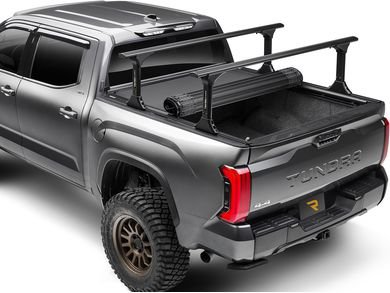
BAKFlip MX4 Ford Maverick
The BAKFlip MX4 Ford Maverick delivers premium aluminum construction with matte black finish specifically engineered for the compact truck’s unique 4.5-foot bed dimensions. Four-panel folding design provides complete bed access while maintaining structural rigidity up to 400 pounds distributed weight. Dual-action tailgate seal accommodates both positions without modification. Installation takes 45 minutes using integrated clamp system—no drilling required. Compatible with Maverick’s factory bed liner and tie-down cleats. Five-year warranty covers materials and workmanship. Maintains Maverick’s fuel economy while adding secure cargo protection for daily driving and weekend adventures.
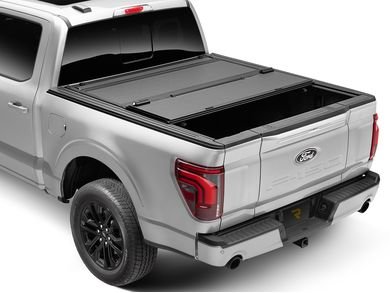
BAKFlip G2 Ford Maverick
The BAKFlip G2 Ford Maverick offers four-panel aluminum construction at a value-focused price point without sacrificing essential features. Extruded aluminum panels fold completely against the cab for full bed access or partially for cargo flexibility. Weather sealing system keeps moisture out while integrated drainage channels direct water away from cargo. Automatic latching mechanism secures panels without manual locks. Compatible with Maverick’s factory tie-downs and bedliner. Supports up to 300 pounds distributed weight for light equipment transport. Professional installation recommended for optimal fit and function on the compact truck platform.
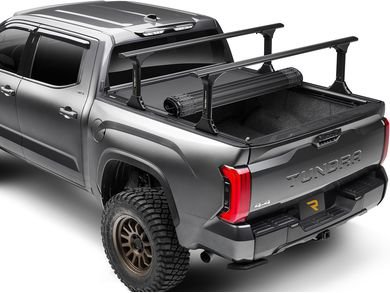
BAKFlip MX4S Ford Maverick with Sports Bar
The BAKFlip MX4S combines tonneau cover protection with integrated sports bar functionality specifically sized for Ford Maverick dimensions. Aluminum sports bar rails support up to 150 pounds for kayaks, lumber, or camping gear extending beyond the compact bed. Four-panel cover operates independently—sports bar functions with cover open or closed. Powder-coated aluminum construction matches factory black finish and resists corrosion. Includes mounting brackets for aftermarket accessories like bike racks or cargo baskets. Perfect solution for Maverick owners maximizing the compact truck’s utility without compromising weather protection. Installation requires basic tools and approximately 90 minutes.
Why BAKFlip Maverick Covers Lead the Compact Truck Market
Ford’s Maverick represents a fundamental shift in the truck market—a genuinely compact pickup that prioritizes efficiency without sacrificing capability. This unique positioning demands tonneau covers engineered specifically for the Maverick’s dimensions and use cases rather than adapting full-size truck solutions to fit.
The BAKFlip Maverick lineup addresses this challenge with covers designed around the compact truck’s 4.5-foot bed and unibody construction. Traditional tonneau covers sized for full-size trucks create proportion issues and weight concerns on the lighter Maverick platform. BAKFlip engineers developed Maverick-specific solutions that complement rather than overwhelm the truck’s design.
Maverick owners typically prioritize fuel economy, urban maneuverability, and weekend adventure capability. The BAKFlip approach enhances all three priorities. Aerodynamic panels improve highway efficiency. Low-profile design maintains urban parking advantages. Complete bed access supports recreational equipment transport that draws buyers to the Maverick platform.
Engineering for Compact Truck Applications
The Maverick’s unibody construction differs significantly from traditional body-on-frame trucks, requiring tonneau cover mounting systems that distribute loads appropriately. Full-size truck covers often rely on frame-reinforced bed rails for support. The Maverick’s integrated bed structure needs different mounting approaches to prevent stress concentration.
BAKFlip addresses this with distributed clamp systems that spread loads across multiple contact points rather than concentrating stress on individual mounting locations. The result delivers equivalent strength ratings while working within the Maverick’s structural parameters. This engineering prevents long-term mounting point fatigue that could compromise cover security or damage the truck.
Weight considerations matter more on the compact Maverick platform than full-size trucks. Every pound affects payload capacity, handling, and fuel economy. BAKFlip Maverick covers optimize strength-to-weight ratios using precisely dimensioned aluminum extrusions rather than over-engineering components sized for heavier applications.
Maverick-Specific Design Features
The Maverick’s compact bed dimensions create unique challenges for four-panel folding covers. Standard panel proportions designed for 6.5-foot or 8-foot beds don’t scale linearly to 4.5-foot applications. BAKFlip redesigned panel sizing and hinge spacing to maintain proper folding geometry within the shorter bed length.
Tailgate integration proves particularly critical on the Maverick where every inch of bed space matters. The dual-action tailgate seal accommodates both standard and drop-down positions without modification or adjustment. This flexibility supports the varied loading scenarios that compact truck owners encounter regularly.
Urban parking considerations influenced low-profile design priorities. Maverick owners frequently navigate tight parking structures and height-restricted areas where full-size trucks struggle. BAKFlip maintains minimal added height while preserving structural integrity and weather sealing performance.
BAKFlip MX4 Ford Maverick: Premium Features Analysis
The BAKFlip MX4 represents the premium tier of Maverick tonneau cover options, incorporating advanced materials and engineering features that justify its higher price point through enhanced durability and functionality.
Matte black powder coating provides superior UV resistance compared to painted finishes while maintaining consistent appearance through years of sun exposure. The textured surface hides minor scratches and reduces glare that could distract other drivers. This finish matches modern truck trim trends while providing practical benefits.
Advanced Weather Sealing Technology
The MX4’s perimeter sealing system uses multi-durometer EPDM rubber compounds optimized for different sealing requirements. Perimeter seals use softer compounds for conformability while hinge seals employ firmer materials for durability against repeated compression cycles.
Integrated drainage channels within the side rail system direct water away from cargo rather than simply shedding it off the cover’s surface. This approach prevents water accumulation against the tailgate where it could migrate into the bed during opening and closing cycles. Proper drainage proves essential for the Maverick’s compact bed where water has less space to evaporate naturally.
The dual-action tailgate seal accommodates both standard and fold-down positions without manual adjustment or additional components. This seamless integration supports the Maverick’s versatility for loading scenarios that exceed the compact bed’s dimensions while maintaining weather protection when the tailgate returns to closed position.
Structural Engineering and Load Capacity
Extruded aluminum panels feature internal ribbing patterns optimized through finite element analysis for maximum strength-to-weight ratios. The honeycomb foam core provides insulation and structural support while maintaining overall assembly weight appropriate for the Maverick platform.
The 400-pound distributed weight rating accommodates camping gear, sporting equipment, and light cargo commonly transported by Maverick owners. This capacity rating assumes proper load distribution across multiple panels rather than point loading that could exceed individual panel specifications.
Hinge mechanisms incorporate stainless steel components in high-stress areas while using reinforced polymer elements where appropriate. This hybrid approach optimizes durability, weight, and corrosion resistance for the expected service life without over-engineering components unnecessarily.
BAKFlip G2 Ford Maverick: Value-Focused Performance
The BAKFlip G2 offers essential tonneau cover functionality at a price point accessible to budget-conscious Maverick owners without sacrificing core performance requirements. Understanding the G2’s feature set helps buyers determine if premium MX4 features justify the additional investment.
Construction Differences from MX4
G2 panels use standard powder coating rather than the MX4’s advanced matte finish. While both provide adequate corrosion protection, the G2 coating may show wear patterns sooner in harsh environments. For most applications and climates, this difference proves more cosmetic than functional during typical ownership periods.
Sealing systems employ single-durometer rubber compounds that balance sealing performance with cost considerations. Weather protection remains effective, but the simplified seal design may require replacement slightly sooner than MX4 components under extreme temperature cycling or UV exposure.
The 300-pound weight rating accommodates most recreational and utility loads while reflecting the G2’s optimized construction. This capacity handles camping gear, sports equipment, and typical cargo scenarios without restriction. Heavy equipment transport or commercial applications may benefit from the MX4’s higher rating.
Installation and Compatibility
G2 installation mirrors the MX4 process using identical clamp systems and mounting procedures. No-drill installation takes approximately 45 minutes with basic hand tools. The simplified feature set doesn’t compromise installation difficulty or compatibility with Maverick factory equipment.
Factory bed liner, tie-down cleats, and electrical systems remain fully functional with G2 installation. The cover’s rail system positions above existing bed features without interference. This compatibility preserves the Maverick’s utility features while adding weather protection and security benefits.
BAKFlip MX4S: Integrated Sports Bar Solution
The BAKFlip MX4S addresses a unique challenge for compact truck owners—maximizing cargo capacity without permanent modifications that compromise daily usability. The integrated sports bar system extends the Maverick’s utility for recreational equipment while maintaining tonneau cover weather protection.
Sports Bar Engineering
Aluminum sports bar rails support 150 pounds distributed load for kayaks, lumber, camping gear, or sporting equipment extending beyond the compact bed’s dimensions. This capacity accommodates most recreational equipment while respecting the Maverick’s overall payload limits and structural capabilities.
The sports bar operates independently from cover panels—equipment can remain mounted whether the cover is open or closed. This flexibility supports varied loading scenarios without requiring equipment removal for bed access. Quick-release mounting systems allow sports bar removal when not needed for aerodynamic or clearance reasons.
Powder-coated finish matches factory black trim for integrated appearance while providing corrosion resistance equivalent to tonneau cover components. The sports bar’s visual integration maintains the Maverick’s clean design lines rather than appearing as an obvious aftermarket addition.
Accessory Integration Options
The sports bar system accepts various aftermarket accessories including bike racks, cargo baskets, ladder racks, and tie-down systems. Standard T-slot extrusions provide mounting flexibility for different equipment configurations without permanent modifications.
Integration with tonneau cover operation allows simultaneous use of bed space and overhead cargo capacity. This dual-zone approach maximizes the Maverick’s limited cargo volume for adventure-focused owners who regularly transport varied equipment types simultaneously.
Ford Maverick BAKFlip Installation Guide
Installing a BAKFlip on your Ford Maverick requires attention to the compact truck’s specific dimensions and mounting requirements. While the process mirrors installations on full-size trucks, several Maverick-specific considerations ensure optimal fit and function.
Pre-Installation Preparation
Measure your Maverick’s bed dimensions to confirm 4.5-foot bed specification. While all Mavericks share this bed length, variations in bedliner installation or aftermarket modifications can affect available mounting space. Verify adequate clearance for clamp placement along the bed rails.
Remove any existing bed accessories or cargo that might interfere with installation. Clean the bed rails thoroughly to ensure proper clamp adhesion and prevent dirt from affecting mounting torque specifications. Inspect bed rails for damage that could compromise mounting security.
Gather required tools: socket wrench set, torque wrench, measuring tape, and cleaning supplies. The Maverick’s compact dimensions make installation easier in tight garage spaces compared to full-size trucks, but adequate lighting remains essential for proper alignment verification.
Maverick-Specific Installation Steps
Begin with side rail positioning using the included measuring templates. The Maverick’s shorter bed length requires precise positioning to maintain proper panel geometry and tailgate clearance. Double-check measurements before final clamp tightening—repositioning becomes difficult once clamps are torqued to specification.
Install clamps starting from the cab end and working toward the tailgate. The Maverick’s bed taper affects clamp spacing slightly compared to full-size trucks. Follow the included spacing diagram rather than assuming uniform intervals. Proper spacing ensures even load distribution and prevents stress concentration.
Test tailgate operation before final assembly. The Maverick’s dual-action tailgate mechanism requires verification of both standard and fold-down positions. Adjust tail seal positioning if necessary to accommodate both operating modes without binding or gaps.
Panel Installation and Adjustment
Attach panels starting with the cab-end panel and progressing toward the tailgate. The four-panel configuration requires careful alignment to maintain proper gaps and sealing compression. The Maverick’s compact bed leaves less tolerance for misalignment compared to longer bed applications.
Verify smooth folding operation through complete open and close cycles. The Maverick’s shorter bed requires precise hinge timing to prevent panel interference during folding. Adjust hinge tension if panels bind or don’t align properly in the closed position.
Test latching mechanisms with the tailgate in both positions. Proper installation should allow automatic latching without excessive force while maintaining weather sealing in all configurations. Final adjustments may require loosening rail clamps for minor positioning changes.
Compatibility with Maverick Accessories
Ford Maverick owners frequently add accessories to enhance the compact truck’s utility, creating compatibility considerations for tonneau cover installation. Understanding how BAKFlip covers interact with popular Maverick accessories prevents installation conflicts and preserves functionality.
Factory and Aftermarket Bed Liners
BAKFlip covers install over factory spray-in bed liners without modification. The rail clamp system accommodates the liner’s thickness while maintaining proper sealing compression. Drop-in bed liners may require removal for proper rail positioning, as their flanges can interfere with clamp placement.
Aftermarket LINE-X or Rhino bed liners typically don’t affect installation provided they don’t extend above the bed rail surfaces. Some applicators over-spray onto the rail tops, requiring light sanding for proper clamp contact. This preparation ensures secure mounting without compromising the liner’s protection.
Rubber bed mats remain compatible with closed tonneau covers and protect the bed surface from cargo movement. However, thick mats might affect the cover’s load distribution ratings. Consider mat thickness when calculating weight limits for transported equipment.
Tie-Down and Cargo Systems
Factory tie-down cleats remain fully accessible with BAKFlip installation. The rail system positions above existing hardware without interference. This compatibility preserves the Maverick’s factory cargo securing capability while adding weather protection benefits.
Aftermarket bed dividers and cargo organizers typically function normally with tonneau cover installation. However, tall organizers might prevent complete panel closure. Measure organizer height against available clearance with panels closed to avoid conflicts.
Bed extenders and tail gate accessories generally maintain compatibility with BAKFlip covers. The dual-action tail seal accommodates most tailgate modifications without adjustment. Extreme modifications might require custom sealing solutions for optimal weather protection.
Lighting and Electrical Accessories
LED bed lighting systems install normally with tonneau cover rails providing convenient mounting points for some aftermarket lights. Wiring routing requires planning to prevent pinching during panel operation. Consider wireless lighting solutions to eliminate wiring complexity.
Backup cameras and sensors typically clear closed tonneau cover panels with adequate mounting height. However, verify clearance during installation to prevent contact damage. Some camera positions may require adjustment for optimal viewing angles with the cover installed.
Maverick BAKFlip Performance in Real-World Conditions
The Ford Maverick’s intended use cases differ significantly from full-size trucks, creating unique performance requirements for tonneau cover systems. Understanding how BAKFlip covers perform in typical Maverick applications helps buyers set realistic expectations.
Urban and Suburban Daily Driving
Maverick owners frequently navigate tight parking structures and height-restricted areas where tonneau covers must minimize added height while maintaining functionality. BAKFlip’s low-profile design adds minimal height impact, preserving access to parking structures with standard clearances.
Urban security concerns make lockable cargo protection valuable for Maverick owners who may need to park in higher-risk areas. The BAKFlip’s solid panel construction and automatic latching provide reasonable deterrent effects while remaining easily accessible for legitimate users.
Fuel economy consciousness among compact truck buyers creates interest in aerodynamic benefits. While tonneau covers provide measurable highway efficiency improvements, the benefits prove most noticeable during consistent highway speeds rather than stop-and-go urban driving typical of many Maverick applications.
Weekend Recreation and Adventure Use
The Maverick excels as a recreational equipment hauler for camping, biking, kayaking, and outdoor adventures. BAKFlip covers support this use with complete bed access for equipment loading while providing weather protection during transport and destination storage.
Camping applications benefit from secure gear storage at campsites and trailheads. The solid cover construction deters casual theft while remaining convenient for frequent access to camping equipment, food storage, and gear organization systems.
Sports equipment transport often involves mixed loading scenarios—some gear in the bed, other equipment on roof systems or sports bars. The MX4S configuration addresses this need with integrated overhead capacity while maintaining bed weather protection.
Light Duty Work Applications
While primarily positioned as a lifestyle vehicle, many Mavericks see occasional work duty for contractors, service providers, and small business owners. BAKFlip covers support these applications with tool security and weather protection for equipment and supplies.
The 400-pound weight rating accommodates most tool boxes and equipment commonly transported in compact trucks. However, commercial users should verify that their typical loads remain within capacity limits and consider commercial warranty coverage for business applications.
Frequent loading and unloading cycles in work applications may accelerate wear on latch mechanisms and seals. Commercial users might benefit from more frequent inspection and maintenance intervals to preserve performance through heavy use cycles.
Maintenance and Longevity for Maverick Applications
Proper maintenance extends BAKFlip Maverick cover lifespan significantly and preserves performance characteristics through varied use conditions. The compact truck’s typical applications create specific maintenance considerations.
Urban Environment Considerations
City driving exposes tonneau covers to increased pollution, acid rain, and road salt compared to rural applications. Monthly washing with mild automotive soap removes contaminants before they etch panel surfaces or degrade sealing materials. Pay attention to drainage channels where debris accumulates.
Parking structure exposure creates unique wear patterns from tight maneuvering and occasional contact with concrete barriers or support columns. Inspect corner caps and panel edges regularly for damage that could compromise weather sealing or structural integrity.
Urban security concerns may encourage frequent opening and closing for load verification or theft deterrence. This usage pattern accelerates latch mechanism wear compared to covers that remain closed for extended periods. Lubricate latches quarterly rather than semi-annually in high-use applications.
Recreational Use Maintenance
Adventure travel exposes covers to dust, mud, sand, and extreme weather conditions that accelerate wear on sealing systems and moving components. Post-trip cleaning removes abrasive particles that could damage seals during operation. Compressed air clears debris from hard-to-reach areas.
Equipment loading and unloading can impact corner caps and panel surfaces despite careful handling. Regular inspection catches damage early when repair remains possible. Deep scratches or cracks may require component replacement to maintain weather sealing integrity.
Temperature extremes during mountain or desert travel affect rubber seal performance and panel thermal expansion. Allow covers to acclimate to temperature changes before forcing operation. Extreme cold makes seals brittle while extreme heat increases expansion that could bind mechanisms.
Choosing Between BAKFlip Maverick Models
Selecting the optimal BAKFlip model for your Maverick requires evaluating your specific use patterns, budget constraints, and feature priorities. Each model serves different owner profiles and applications effectively.
MX4 vs G2 Decision Factors
Choose the MX4 for maximum durability and longevity if you plan extended ownership, frequent use, or challenging conditions. The premium materials and construction justify higher initial costs through reduced maintenance needs and longer service life. Commercial users and heavy recreational users benefit most from MX4 investment.
The G2 suits budget-conscious buyers who need essential tonneau cover functionality without premium features. Casual users, urban commuters, and owners planning shorter retention periods often find G2 capabilities adequate for their needs while preserving budget for other accessories or uses.
Consider total ownership costs rather than initial purchase price. The MX4’s longer component life and superior warranty coverage may provide better value over 5-7 year ownership periods despite higher upfront investment. Calculate replacement part costs and maintenance intervals when making financial comparisons.
Sports Bar Integration Assessment
The MX4S makes sense for active owners who regularly transport equipment exceeding the Maverick’s bed dimensions. Kayaks, lumber, camping gear, and sporting equipment often benefit from overhead mounting capability while preserving bed space for other cargo simultaneously.
Skip the sports bar option if your cargo requirements fit within standard bed dimensions or you prefer aftermarket rack systems offering more flexibility. The integrated approach provides convenience and matched appearance but limits customization options compared to separate rack and tonneau cover purchases.
Consider sports bar usage frequency honestly. Occasional equipment transport may not justify the additional complexity and cost of integrated systems. Rental options for large equipment transport might prove more economical for infrequent users than permanent installation.
Frequently Asked Questions
Will a BAKFlip Maverick cover fit other compact trucks?
No, BAKFlip Maverick covers are engineered specifically for Ford’s 4.5-foot bed dimensions and mounting requirements. Other compact trucks like the Honda Ridgeline, Hyundai Santa Cruz, or upcoming competitors have different bed sizes, rail shapes, and structural requirements that require model-specific covers.
Can I install a BAKFlip on a Maverick with existing bed accessories?
Most factory accessories including bed liners, tie-down cleats, and electrical outlets remain fully functional with BAKFlip installation. However, tall bed organizers, toolboxes, or custom modifications might prevent proper cover closure. Measure accessory height against available clearance before ordering.
How does the Maverick’s unibody construction affect tonneau cover mounting?
BAKFlip uses distributed clamp systems designed specifically for the Maverick’s integrated bed structure rather than traditional body-on-frame mounting approaches. This ensures proper load distribution without stressing mounting points or compromising structural integrity over time.
What’s the weight impact of adding a BAKFlip to my Maverick?
BAKFlip covers add approximately 60-75 pounds to your Maverick’s curb weight, reducing payload capacity accordingly. However, the aerodynamic and security benefits often justify this trade-off for most owners. Consider your typical cargo requirements when evaluating payload impact.
Do BAKFlip covers affect Maverick fuel economy?
Tonneau covers typically provide 1-3% fuel economy improvement during highway driving by reducing aerodynamic drag. City driving benefits prove minimal due to frequent stops. The Maverick’s already-efficient design makes improvements subtle but measurable during consistent highway speeds.
Can I remove the BAKFlip cover for open-bed hauling?
Yes, but complete removal requires disconnecting the rail clamps and lifting the entire assembly. This process takes 30-45 minutes and requires storage space for the removed cover. Consider whether your hauling needs justify this effort versus using the sports bar option for oversized cargo.
How long do BAKFlip Maverick covers typically last?
With proper maintenance, BAKFlip covers typically last 8-12 years before requiring major component replacement. Seals and wear items may need replacement every 5-7 years depending on usage conditions. The aluminum panels and structural components often last the vehicle’s lifetime under normal use.
What warranty coverage comes with BAKFlip Maverick covers?
All BAKFlip covers include a 5-year limited warranty covering defects in materials and workmanship. This warranty protects against manufacturing flaws but excludes normal wear, impact damage, or modification-related issues. Keep purchase documentation for warranty validation.