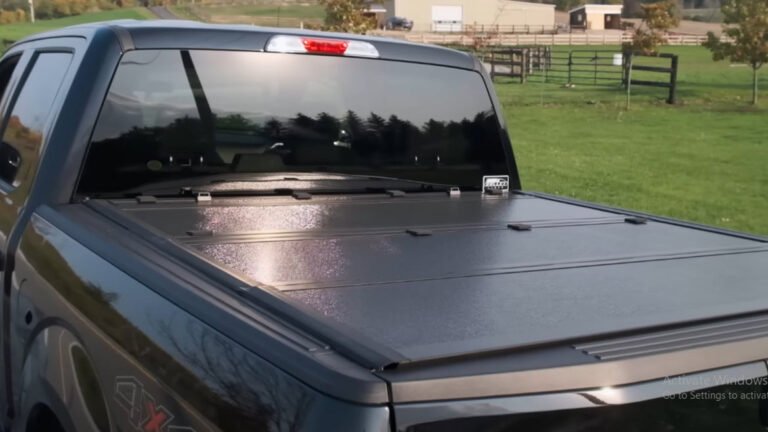
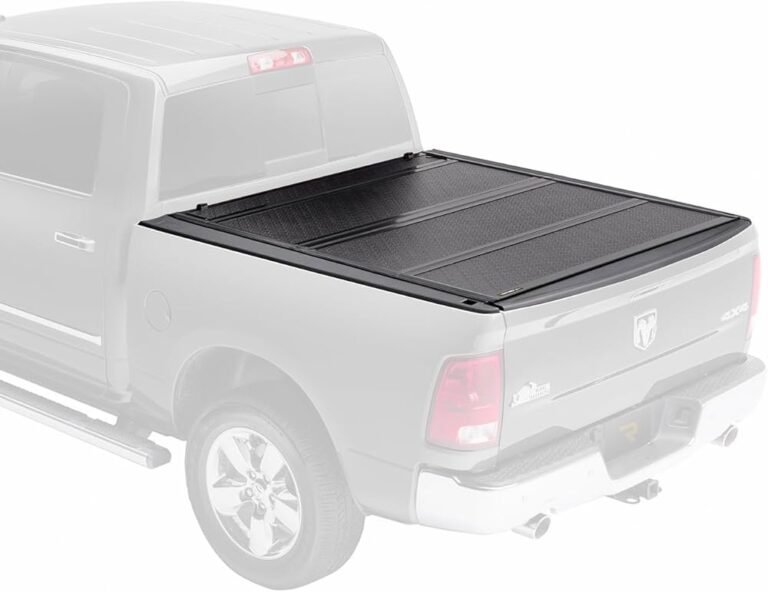
BAKFlip G2 vs F1 Comparison | Which Tonneau Cover Wins
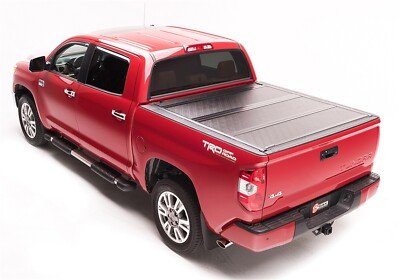
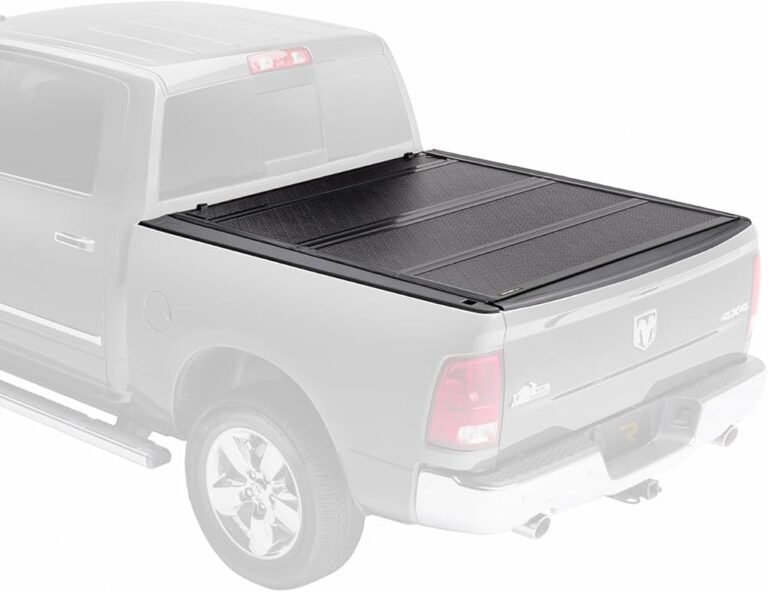
BAKFlip G2 Aluminum Folding Tonneau Cover
The BAKFlip G2 represents the premium tier of BAK Industries’ folding cover lineup with heavy-duty aluminum panels and superior weather sealing. Each panel features dual-layer construction with foam core insulation providing temperature regulation and noise dampening. The matte black finish resists fading and scratching while maintaining professional appearance for years. Automatic locking latches engage when panels close completely, securing your cargo without manual intervention. Compatible with most pickup bed accessories including toolboxes and bed liners through optional mounting solutions.
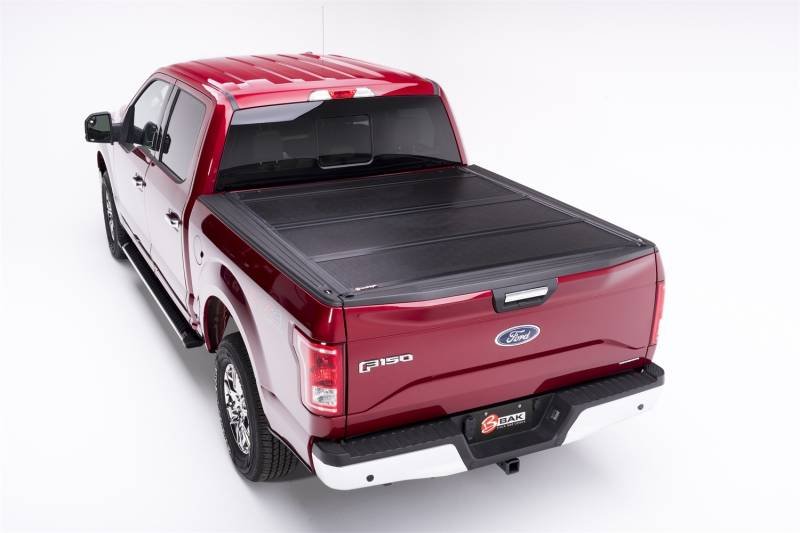
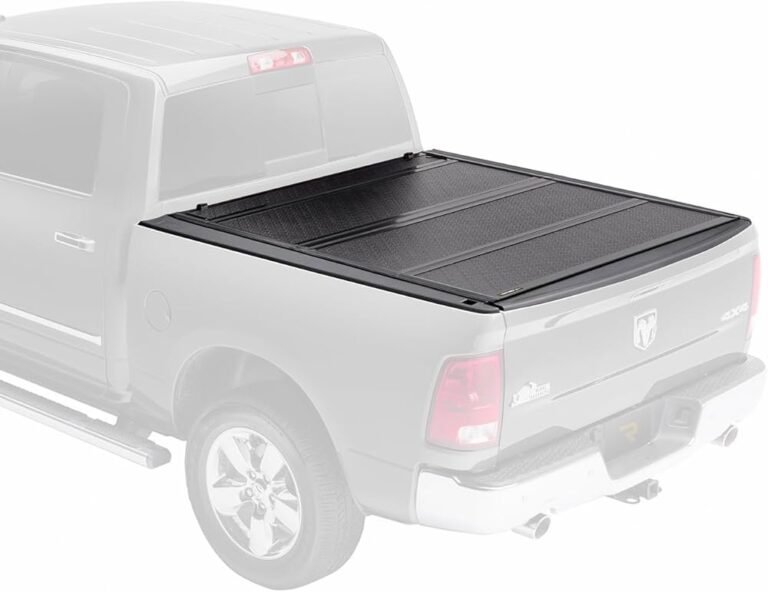
BAKFlip F1 Hard Folding Tonneau Cover
The BAKFlip F1 delivers essential hard cover protection at an accessible price point without sacrificing core functionality. Single-layer aluminum construction provides excellent security and weather protection while keeping weight manageable for easy operation. The textured black finish hides minor scratches and maintains appearance through years of use. Manual locking system offers reliable security with straightforward operation that never fails in extreme weather. No-drill installation clamps securely to bed rails without permanent modifications, making it ideal for lease vehicles or frequent truck changes.
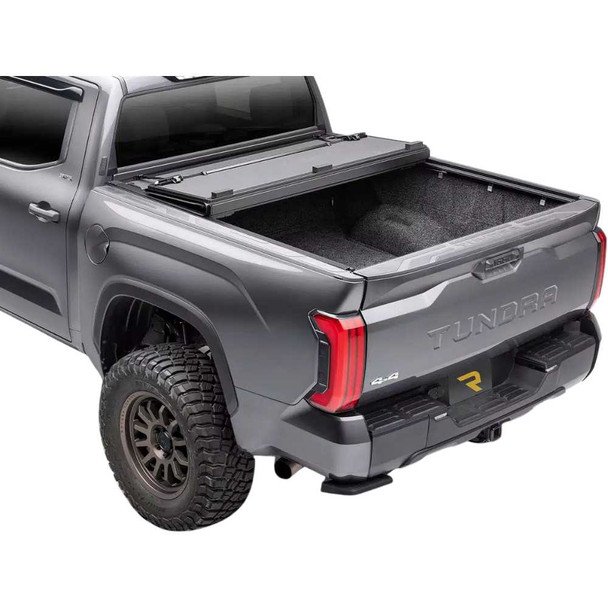
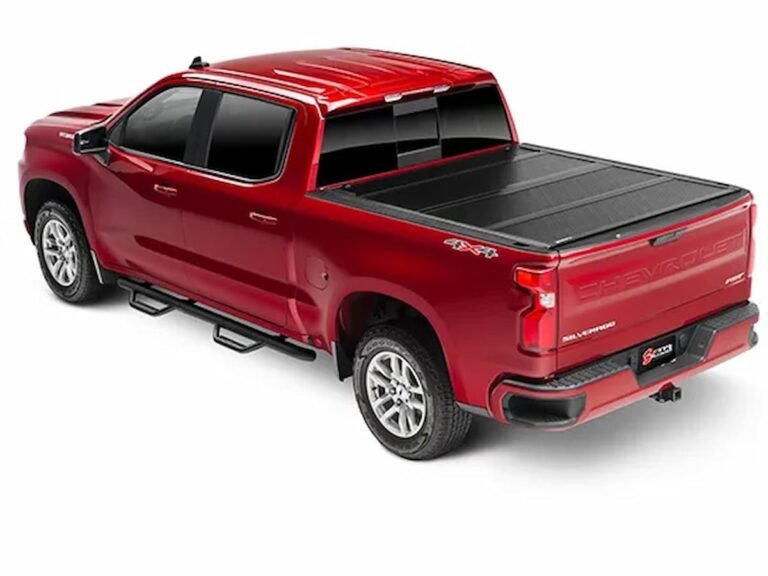
BAKFlip MX4 Premium Reference Model
Understanding how the BAKFlip G2 vs F1 comparison relates to the flagship MX4 provides important context for your decision. The MX4 features the most advanced aluminum construction with reinforced corners, upgraded sealing systems, and premium hardware that justifies its higher price. When comparing G2 vs F1 models, consider whether stepping up to MX4 level makes financial sense for your specific needs. The performance gap between G2 and MX4 is smaller than between F1 and G2, making the G2 an excellent middle-ground choice for most truck owners seeking premium features without flagship pricing.
Construction Differences: BAKFlip G2 vs F1 Build Quality
The fundamental difference between BAKFlip G2 vs F1 construction lies in panel engineering and material thickness. The G2 features dual-layer aluminum panels with foam core insulation, creating a substantial 1.25-inch thick barrier that provides superior strength and thermal protection. This construction dampens road noise, reduces temperature transfer, and creates a more substantial feel when walking on closed panels.
In contrast, the BAKFlip F1 uses single-layer aluminum construction that maintains excellent strength while reducing weight and cost. The thinner profile still provides outstanding security and weather protection but transmits more temperature and sound than the insulated G2 panels. For most truck owners, this difference matters less than the significant price savings the F1 construction enables.
Both models use marine-grade aluminum that resists corrosion and maintains structural integrity through decades of use. The aluminum won’t rust like steel alternatives or crack like plastic covers under extreme temperature cycling. However, the G2’s thicker construction provides better dent resistance when heavy cargo shifts during transport or when walking on closed panels for truck maintenance.
Panel Strength and Durability
The BAKFlip G2’s dual-layer construction handles concentrated loads significantly better than the F1’s single layer design. This matters when securing tall cargo with tie-down straps that create pressure points on panel surfaces. The G2 distributes these loads across its foam core, preventing localized denting that can occur with thinner panels.
Both covers support 400 pounds distributed weight when panels are closed and latched properly. This specification covers snow loads, walking for truck maintenance, and temporary storage of lightweight items. However, the G2’s construction feels more solid underfoot and shows less flex when supporting weight near panel edges or hinge points.
Long-term durability favors the G2’s thicker construction in harsh climates with extreme temperature swings, frequent hail, or heavy snow loads. The extra material mass provides thermal inertia that reduces expansion-contraction cycling stress. The F1 remains highly durable but may show wear patterns sooner in extremely demanding conditions.
Finish Quality and Appearance
The BAKFlip G2 features a premium matte black finish with deeper color saturation and more uniform texture than the F1. This finish process costs more but provides better UV resistance and maintains appearance longer under constant sun exposure. The G2’s finish also hides fingerprints and light scratches better than glossier alternatives.
The BAKFlip F1’s textured black finish deliberately emphasizes practicality over premium appearance. The slightly rougher texture actually helps hide minor scratches and scuffs from cargo loading better than smoother finishes. While not as refined as the G2, the F1’s finish proves extremely durable and maintains professional appearance for years.
Both finishes resist fading, chalking, and oxidation that plague cheaper tonneau covers. Neither requires special cleaners or maintenance beyond regular washing. The difference comes down to personal preference—the G2 looks more upscale while the F1 prioritizes worry-free utility.
Weather Sealing: G2 vs F1 Protection Comparison
Weather sealing represents one of the most significant differences in the BAKFlip G2 vs F1 comparison. The G2 incorporates a more sophisticated sealing system with multiple barriers and upgraded materials that provide superior protection against wind-driven rain, snow infiltration, and dust intrusion.
The BAKFlip G2’s advanced sealing system includes dual-stage weatherstripping along panel perimeters and specialized hinge seals between folding sections. This multi-layer approach creates redundant protection—if the primary seal faces wind pressure that slightly compresses it, secondary seals maintain the weatherproof barrier. This design proves especially effective during highway driving in heavy rain.
The BAKFlip F1 uses a simplified sealing system that still provides excellent weather protection for the vast majority of conditions. Single-stage perimeter seals and basic hinge protection keep cargo dry during normal rain and snow while maintaining the cost advantages that make the F1 accessible. The performance difference becomes noticeable mainly in extreme weather or extended highway driving in heavy precipitation.
Real-World Weather Performance
Independent testing shows the BAKFlip G2 maintains weatherproof sealing at highway speeds up to 80 mph in moderate to heavy rain. The advanced seal compression and multiple barrier design prevents wind-driven moisture from penetrating panel joints even under significant air pressure differential. This performance matters for truck owners frequently driving long distances in variable weather.
The BAKFlip F1 provides reliable weather protection under normal driving conditions and stationary weather exposure. Light to moderate rain poses no challenge, and the cover performs well in snow and dust conditions. However, sustained highway driving in heavy rain may allow minimal moisture infiltration around panel edges—not enough to damage most cargo but potentially concerning for electronics or sensitive materials.
Both covers handle temperature cycling and UV exposure without seal degradation for 5-7 years under normal use. The G2’s upgraded seal materials may last slightly longer before requiring replacement, but both use UV-stabilized compounds that resist cracking and hardening. Climate extremes affect both similarly—desert heat and arctic cold challenge any rubber sealing system.
Drainage and Water Management
The BAKFlip G2 includes integrated drainage channels in the side rail system that actively direct water away from panel joints and cargo areas. These channels connect to drain tubes that carry moisture to controlled exit points rather than allowing random dripping. This system keeps cargo dry even when some moisture penetrates the primary seals.
The BAKFlip F1’s drainage relies primarily on gravity and surface tension to move water away from sealing areas. While effective for most conditions, this passive system can be overwhelmed during heavy rain or when trucks are parked on slopes that work against natural drainage patterns. The simplified approach keeps costs down but requires more attention to parking position during storms.
Locking and Security: G2 vs F1 Protection Systems
Security capabilities showcase another key distinction in the BAKFlip G2 vs F1 comparison. Both covers provide substantial theft deterrent and security advantages over soft tonneau covers, but their locking mechanisms operate differently and offer varying levels of convenience and protection.
The BAKFlip G2 features automatic locking latches that engage when panels close completely without requiring manual activation. This system ensures your truck bed locks every time you close the cover, eliminating the security vulnerability of forgetting to engage manual locks. The automatic system also prevents partially latched panels from popping open during driving, maintaining both security and aerodynamic benefits.
The BAKFlip F1 uses manual locking mechanisms that require deliberate engagement but offer the advantage of never failing due to spring tension loss or mechanism wear. Manual locks also allow partial closure with selective locking—you can secure the front panels while leaving rear sections unlatched for accessing specific cargo areas. This flexibility proves valuable for jobsite use or when frequently accessing tools.
Break-In Resistance and Deterrent Value
Both the BAKFlip G2 and F1 provide excellent theft deterrent simply by concealing cargo from view. Opportunistic thieves target visible valuables, making any hard tonneau cover a significant security upgrade over open truck beds or soft covers that can be cut easily. The aluminum construction of both models resists crowbar attacks and cutting attempts that defeat soft vinyl alternatives.
The G2’s automatic locking system eliminates the most common security failure—forgetting to lock your cover. Many break-ins occur because drivers assume they locked their tonneau cover but failed to fully engage manual latches. The G2’s automatic engagement prevents this vulnerability while providing positive feedback when latches engage properly.
The F1’s manual locking system offers advantages when you want selective security. You can lock valuable tools in the front section while leaving less valuable cargo accessible in rear panels. The manual system also provides positive tactile feedback—you know exactly when locks engage and can verify security by testing latch engagement manually.
Lock Mechanism Durability
Automatic locking systems like the BAKFlip G2’s mechanism include springs and moving parts that eventually require maintenance or replacement. Cold weather can slow engagement, and debris can interfere with smooth operation. However, BAK Industries engineers these systems for thousands of cycles, and typical wear occurs over 5-7 years of regular use.
Manual locking systems like the BAKFlip F1’s mechanism use fewer moving parts and prove extremely reliable across temperature extremes. Ice, dirt, and debris rarely prevent manual operation, making the F1 ideal for construction work or off-road use where automatic systems might struggle. The mechanical simplicity means fewer components to wear out or require adjustment.
Price Analysis: BAKFlip G2 vs F1 Value Comparison
The BAKFlip G2 vs F1 price difference typically ranges from $200-300 depending on your truck’s specific requirements and where you purchase. This price gap reflects real engineering and material differences rather than arbitrary market positioning, making the decision largely about whether the G2’s premium features justify the additional investment for your specific needs.
The BAKFlip F1 typically retails between $800-950 depending on your truck model and bed length. This positions it as a premium hard tonneau cover that costs significantly more than soft alternatives but less than top-tier folding covers. The F1’s pricing reflects genuine aluminum construction and professional-grade engineering while keeping costs reasonable through simplified design approaches.
The BAKFlip G2 usually prices between $1,050-1,250 reflecting its premium materials, advanced sealing systems, and automatic locking mechanisms. This puts the G2 in direct competition with other high-end hard tonneau covers while remaining below the flagship MX4’s price point. The premium represents genuine value for truck owners who prioritize maximum weather protection and convenience features.
Long-Term Value Considerations
When analyzing BAKFlip G2 vs F1 long-term value, consider that both covers typically last 10-15 years with proper maintenance. The G2’s premium construction may extend this lifespan slightly and require fewer component replacements, but both represent excellent long-term investments compared to covers requiring replacement every 3-5 years.
The G2’s advanced sealing system may save money over time by better protecting valuable cargo from weather damage. If you regularly transport electronics, tools, or other moisture-sensitive items, the G2’s superior weather protection could prevent damage costs that exceed the price premium. Calculate potential cargo protection value when making your decision.
Resale value favors the BAKFlip G2 due to its premium features and broader appeal to used truck buyers. However, both models maintain strong resale values compared to soft covers or basic hard alternatives. The aluminum construction and BAK Industries reputation support strong secondary market demand for either model.
Installation and Maintenance Costs
Both the BAKFlip G2 and F1 install similarly using no-drill clamp systems that take 45-90 minutes depending on your mechanical aptitude. Professional installation costs $100-150 if you prefer dealer service, with identical labor requirements for either model. Neither requires ongoing maintenance beyond occasional cleaning and lubrication.
Replacement parts costs remain similar between G2 and F1 models for common wear items like seals and corner caps. The G2’s more complex locking mechanism may cost slightly more to service if problems develop, but both models prove highly reliable with minimal maintenance requirements over typical ownership periods.
Truck Compatibility: G2 vs F1 Fitment Options
Both the BAKFlip G2 and F1 offer extensive truck compatibility covering virtually every popular pickup model from Ford, Chevrolet, GMC, Ram, Toyota, and Nissan. However, specific bed configurations and year ranges may affect availability, making it important to verify fitment before purchasing either model.
The Ford F-150 compatibility includes all bed lengths from 2004-current for both G2 and F1 models. This represents BAK Industries’ largest market segment, ensuring excellent fitment and the broadest selection of accessories. Regular cab, SuperCab, and SuperCrew configurations all receive proper fitment with bed length-specific mounting hardware.
Chevrolet Silverado and GMC Sierra compatibility spans 2007-current for both covers with proper fitment for 5.8ft, 6.6ft, and 8ft bed lengths. The shared platform between these trucks means identical mounting systems and hardware requirements. Both covers accommodate the Multi-Flex tailgate system introduced on newer models.
Ram Truck Fitment
Ram 1500 trucks from 2009-current receive full G2 and F1 compatibility with special attention to the unique RamBox storage system available on some models. Both covers offer RamBox-compatible versions that maintain access to the integrated storage compartments while providing complete bed coverage. Standard bed configurations use identical mounting approaches.
The Ram’s bed rail design requires truck-specific mounting hardware that differs from Ford and GM applications. Both the G2 and F1 include correct clamps and brackets for Ram applications, but verify your specific year and configuration when ordering. The Classic model continuation complicates year ranges—use VIN lookup for certainty.
Toyota and Nissan Applications
Toyota Tundra fitment covers 2007-current for both G2 and F1 models with bed length-specific options for 5.5ft and 6.5ft configurations. The Tundra’s robust bed rail construction provides excellent mounting points for either cover’s clamp system. CrewMax and Double Cab models use identical mounting hardware.
Nissan Titan compatibility includes 2004-current for most configurations though some year gaps exist due to platform changes. The Titan XD’s larger bed rails require specific mounting hardware that differs from standard Titan applications. Verify compatibility carefully when ordering either cover for Nissan applications.
Installation Process: G2 vs F1 Setup Requirements
The BAKFlip G2 and F1 installation processes remain virtually identical despite their construction differences. Both use the same no-drill clamp system that secures to existing bed rails without permanent modifications. The primary difference lies in weight—the G2’s heavier construction requires more care during positioning and alignment.
Installation begins with unpacking and organizing hardware specific to your truck model. Both covers include detailed instructions with truck-specific diagrams showing proper clamp placement and torque specifications. Allow 45-90 minutes for DIY installation depending on your mechanical experience and whether you work alone or have assistance.
The rail assembly process involves clamping aluminum extrusions to your truck’s bed rails using supplied hardware. Both the G2 and F1 use identical rail systems with rubber cushions protecting your truck’s paint. Proper alignment ensures smooth panel operation and optimal weather sealing performance.
Panel Installation and Adjustment
Installing the folding panel assembly requires two people for safe handling due to the covers’ size and weight. The G2’s heavier construction demands extra care to prevent damage during positioning. Both covers hinge onto the installed rail system using heavy-duty pivot hardware that supports thousands of open-close cycles.
Initial adjustments ensure proper panel alignment and smooth operation. Both covers include adjustment mechanisms for fine-tuning fit and eliminating binding or interference. The G2’s automatic locking system requires additional adjustment to ensure latches engage properly without excessive force.
Testing installation involves operating the cover through multiple cycles while checking for smooth folding action, proper latch engagement, and weather seal compression. Both covers should close with moderate effort and latch securely without gaps between panels or around perimeters.
Professional vs DIY Installation
Most truck owners successfully install either the BAKFlip G2 or F1 using basic hand tools and following included instructions. The no-drill design eliminates complex modifications, and the adjustment range accommodates minor measurement errors. However, professional installation guarantees proper setup and maintains warranty coverage.
Professional installers complete setup in 30-45 minutes with specialized tools and experience handling tonneau cover alignment. They also verify compatibility with existing truck accessories and can modify installations for custom requirements. The $100-150 installation cost often includes basic warranty on labor.
Maintenance Requirements: G2 vs F1 Care Differences
Both the BAKFlip G2 and F1 require minimal ongoing maintenance beyond regular cleaning and occasional lubrication. However, the G2’s more complex sealing and locking systems need slightly more attention to maintain optimal performance over years of use.
Regular cleaning involves washing with mild soap and water every 4-6 weeks or as needed based on use conditions. Both covers resist most stains and environmental contaminants. Pay special attention to drainage areas and panel joints where dirt accumulation can affect sealing or operation.
The BAKFlip G2’s automatic locking system benefits from quarterly lubrication using dry spray lubricant on latch mechanisms and pivot points. This prevents sticky operation and maintains smooth engagement. The advanced sealing system also benefits from periodic silicone treatment to maintain rubber flexibility.
Seasonal Maintenance
Winter preparation includes removing ice and snow buildup that can stress hinges or interfere with latch operation. Both covers handle snow loads well, but removing accumulation before opening prevents ice from jamming mechanisms. Use plastic scrapers to avoid scratching aluminum surfaces.
Spring maintenance focuses on inspecting seals and hardware for winter damage. Both covers should receive complete inspection of weatherstripping, latch operation, and hardware tightness after harsh weather exposure. Replace worn components promptly to maintain weather protection.
Summer care emphasizes UV protection and cooling. While both covers resist fade and degradation, parking in shade when possible extends finish life. Clean covers operate cooler and maintain better appearance than dirty ones that absorb more solar heat.
Performance in Different Climates
The BAKFlip G2 vs F1 climate performance shows distinct differences based on each model’s construction and sealing systems. Understanding these differences helps choose the right cover for your local conditions and use patterns.
In hot, sunny climates, both covers provide excellent UV resistance and thermal protection. The G2’s foam core insulation offers superior heat reduction for cargo areas, keeping stored items cooler during summer heat. The F1’s single-layer construction still provides substantial sun protection while allowing more heat transfer.
Cold climate performance favors the BAKFlip G2’s insulated construction which resists ice formation between panels and maintains more consistent operation in sub-zero temperatures. The F1 remains fully functional in cold weather but may require more attention to ice removal from sealing areas.
Rain and Moisture Management
Heavy rain conditions highlight the BAKFlip G2’s superior sealing system most clearly. The advanced weatherstripping and drainage design keep cargo dry even during prolonged storms with wind-driven rain. This performance advantage justifies the premium for truck owners in wet climates.
The BAKFlip F1 handles normal precipitation excellently but may allow minimal moisture intrusion during extreme weather events. For most users in moderate climates, this difference rarely affects cargo protection. However, sensitive electronics or documents benefit from the G2’s enhanced weather barriers.
Wind and Aerodynamic Performance
Both covers provide similar aerodynamic benefits by smoothing airflow over truck beds and reducing drag compared to open beds or soft covers. The G2’s slightly thicker profile creates marginally more wind resistance but not enough to affect fuel economy noticeably.
High wind stability remains excellent for both models thanks to their substantial aluminum construction and secure clamping systems. Neither cover experiences flutter, noise, or loosening issues that affect lighter tonneau cover alternatives. The locking systems keep panels secure even in severe weather.
Which Cover Suits Your Needs Best
Choosing between the BAKFlip G2 vs F1 depends on balancing your specific needs against each model’s strengths and limitations. Neither cover is universally better—each serves different priorities and use cases effectively.
The BAKFlip G2 makes sense for truck owners who prioritize maximum weather protection, automatic convenience features, and premium construction. If you frequently drive in harsh weather, transport moisture-sensitive cargo, or simply want the most advanced tonneau cover technology, the G2’s premium features justify its higher cost.
The BAKFlip F1 suits practical truck owners who want excellent aluminum construction and reliable performance without paying for premium features they don’t need. If basic weather protection suffices for your cargo and you prefer manual control over automatic systems, the F1 delivers outstanding value.
Professional Use Considerations
Contractors and commercial users often prefer the BAKFlip F1’s manual systems for their reliability and ease of maintenance. Job site conditions can challenge automatic mechanisms with dust and debris, making manual operation more practical. The cost savings also matter when outfitting multiple work trucks.
Daily commuters who transport valuable electronics, tools, or business materials benefit from the G2’s superior weather protection and automatic locking convenience. The premium features pay dividends through better cargo protection and improved ease of use during busy schedules.
Long-Term Ownership Perspective
Both the BAKFlip G2 and F1 represent excellent long-term investments that will serve reliably for 10-15 years with proper care. The G2’s premium construction may provide slightly longer service life and require fewer component replacements, but both covers deliver outstanding durability for their respective price points.
Consider your truck ownership timeline when deciding between models. If you typically keep trucks for 3-5 years, the F1’s lower initial cost makes more financial sense. If you plan 7+ year ownership, the G2’s premium features and enhanced durability provide better long-term value.
Frequently Asked Questions
What’s the main difference between BAKFlip G2 vs F1?
The primary differences are construction and sealing systems. The G2 features dual-layer insulated panels with advanced weatherstripping and automatic locking, while the F1 uses single-layer aluminum construction with simplified seals and manual locking for cost efficiency.
Is the BAKFlip G2 worth the extra cost over the F1?
The G2’s premium is justified if you need maximum weather protection, transport sensitive cargo frequently, or prioritize automatic convenience features. For basic cargo protection and security, the F1 delivers excellent value without premium features.
Which cover performs better in harsh weather?
The BAKFlip G2 provides superior weather protection through its advanced sealing system and insulated construction. It maintains better weatherproofing during wind-driven rain and extreme conditions, while the F1 handles normal weather excellently.
Do both covers fit the same trucks?
Yes, both the G2 and F1 offer identical truck compatibility covering Ford, Chevrolet, GMC, Ram, Toyota, and Nissan models. They use the same mounting systems and bed length options, making either choice available for your truck.
How do the locking systems compare?
The G2 features automatic locking that engages when panels close completely, ensuring security without manual activation. The F1 uses manual locks that require deliberate engagement but offer selective locking capability and simpler maintenance.
Which cover is easier to maintain?
The BAKFlip F1 requires slightly less maintenance due to its simpler locking mechanism and sealing system. Both covers need regular cleaning and occasional lubrication, but the G2’s automatic systems benefit from more frequent attention.
Can I install either cover myself?
Both covers install using identical no-drill clamp systems that most truck owners can handle with basic tools. The G2’s heavier weight requires more care during installation, but both include detailed instructions for DIY installation.
How do replacement parts costs compare?
Common replacement parts like seals and corner caps cost similarly for both models. The G2’s more complex locking mechanism may cost slightly more to service if problems develop, but both models prove highly reliable with minimal parts replacement needs.