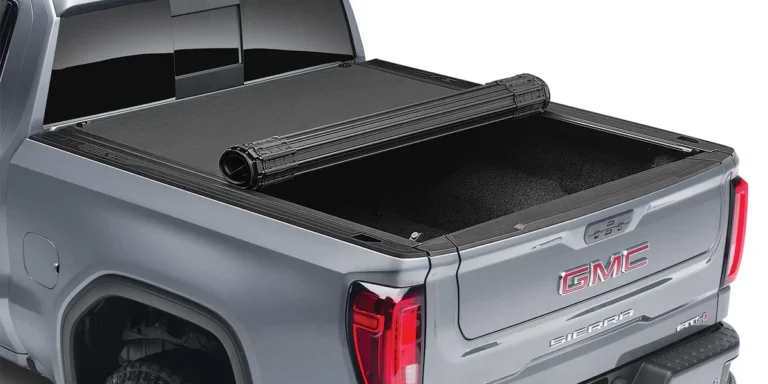
BAKFlip MX4 Tacoma Installation Guide | Complete Setup
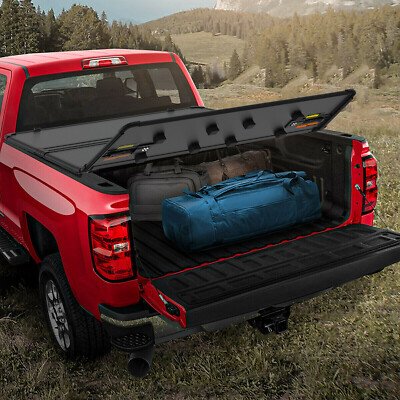
BAKFlip MX4 Tonneau Cover for Toyota Tacoma
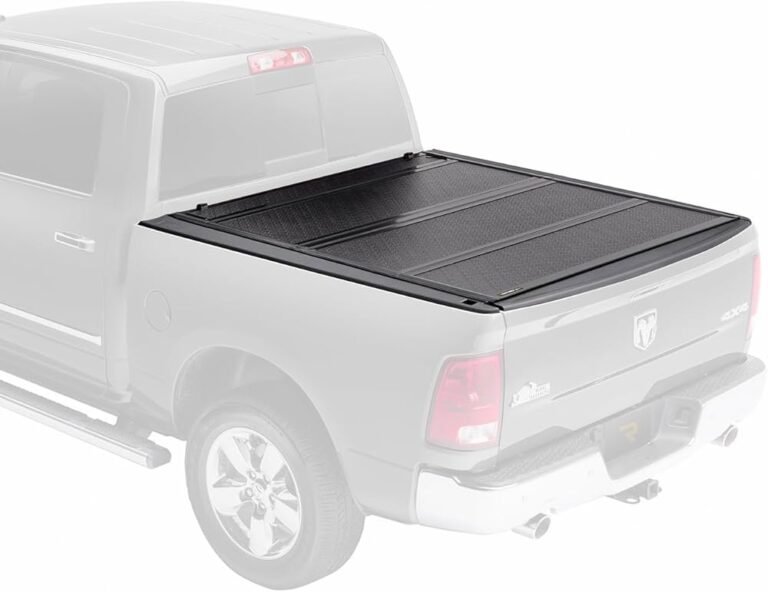
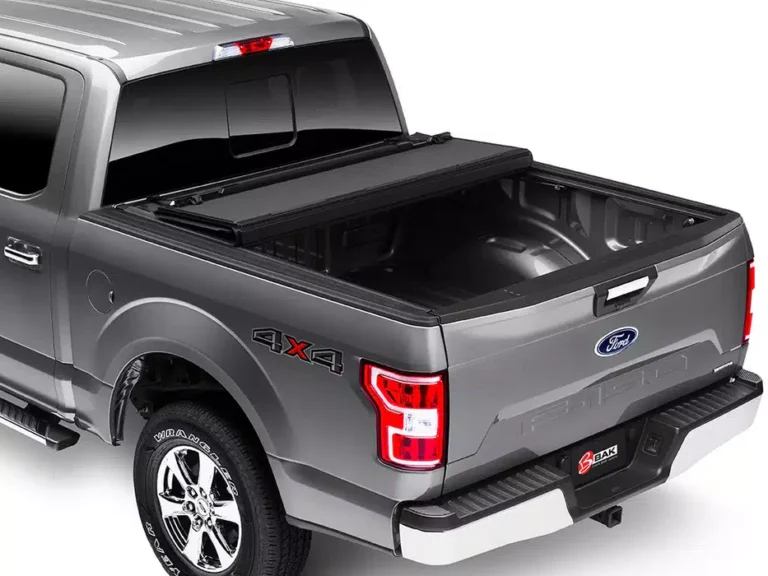
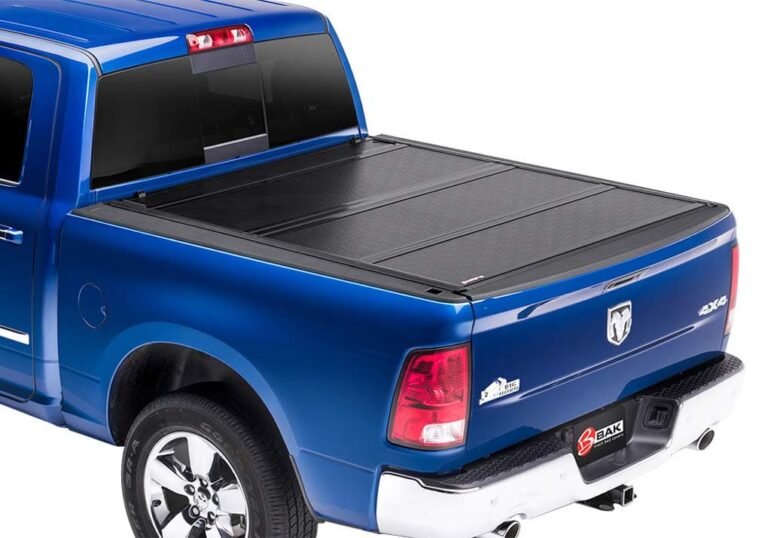
The BAKFlip MX4 Tacoma model features premium aluminum construction with weather-resistant finish specifically engineered for Toyota’s unique bed rail design. Available for 5-foot and 6-foot Tacoma beds with no-drill installation using heavy-duty clamps. Includes integrated drainage system and dual-action tailgate seal for complete weather protection. Four-panel folding design provides multiple cargo configurations while maintaining structural rigidity. Supports 300 pounds distributed weight for work truck versatility. Installation typically takes 45-60 minutes with included instructions and hardware.
Pre-Installation Requirements for BAKFlip MX4 Tacoma
Installing a BAKFlip MX4 Tacoma tonneau cover requires specific preparation steps and tools to ensure proper fitment and performance. Toyota Tacoma bed rails have unique dimensions and mounting points that differ from other truck models, making proper measurement and component verification essential before starting installation.
Begin by measuring your Tacoma bed length from the inside of the bulkhead to the inside of the tailgate. The standard Tacoma short bed measures 60.5 inches while the long bed measures 73.7 inches. These measurements determine whether you need the bakflip mx4 tacoma 5ft or 6-foot model. Incorrect sizing prevents proper installation and compromises weather sealing.
Verify your Tacoma model year compatibility before proceeding. The bakflip mx4 tacoma 2024 and newer models feature identical bed rail specifications to 2016-2023 third-generation Tacomas. However, second-generation Tacomas (2005-2015) require different mounting hardware due to varying bed rail profiles and dimensions.
Essential Tools and Materials
Gather all necessary tools before beginning the bakflip mx4 tacoma install process. You’ll need a socket wrench set with both metric and standard sizes, Phillips and flathead screwdrivers, a measuring tape, and a torque wrench for proper clamp tightening. Include isopropyl alcohol and clean rags for surface preparation.
The installation kit includes all required hardware but verify contents against the included checklist. Look for eight side rail clamps, weatherstripping, tailgate seal, drain tubes, and mounting bolts. Missing components delay installation and may require contacting BAK Industries for replacements.
Prepare your workspace in a covered area if possible. Wind can make panel handling difficult during installation, and direct sunlight makes metal components hot to touch. A garage or carport provides ideal conditions for careful, methodical installation without weather concerns.
Tacoma-Specific Preparation Steps
Toyota Tacoma bed rails require specific cleaning and preparation for optimal clamp adhesion and weather sealing. Remove any existing bed liner material, adhesive residue, or protective film from the rail surfaces where clamps will mount. Use plastic scrapers to avoid scratching the bed coating.
Clean all rail surfaces with isopropyl alcohol to remove oils, wax, and contaminants that prevent proper seal adhesion. Pay special attention to the rail cap areas where weatherstripping makes contact. Any residue here compromises the weather seal and allows water infiltration.
Check for any bed rail damage or irregularities that might affect clamp fitment. Small dents or scratches typically don’t interfere with installation, but significant damage may require repair before proceeding. Bent rails prevent proper clamp seating and compromise cover security.
Step-by-Step BAKFlip MX4 Tacoma Installation Process
The bakflip mx4 tacoma install process follows a specific sequence to ensure proper alignment and weather sealing. Beginning with rail positioning and progressing through panel mounting creates a systematic approach that prevents common installation errors.
Installing the Side Rails
Start by positioning the driver side rail assembly on your Tacoma’s bed rail. The rail should sit flush against the bed rail with the drainage channels facing inward toward the bed center. BAK designs these rails specifically for Tacoma dimensions, so proper positioning is critical for correct fitment.
Install clamps starting from the tailgate end and working toward the cab. This sequence ensures proper rail alignment as you progress. Finger-tighten each clamp initially rather than fully tightening—this allows adjustment if alignment issues develop during installation.
The front clamp positions require special attention on Tacoma applications. Toyota’s bed rail design includes slight curves that affect clamp seating. Ensure each clamp sits squarely on the rail without rocking or gaps. Misaligned clamps create stress points that can crack rails or allow the cover to shift during use.
Repeat the process for the passenger side rail, maintaining parallel alignment with the driver side. Use your measuring tape to verify equal distances from the tailgate and bulkhead on both sides. Misaligned rails cause binding when panels fold and premature wear on hinge mechanisms.
Panel Assembly and Mounting
With rails properly positioned, begin panel assembly by connecting the four aluminum panels using the provided hinge pins. BAKFlip designs these hinges for specific operating angles—incorrect assembly prevents proper folding and can damage hinge mechanisms.
The tailgate panel includes integrated latching mechanisms that secure the entire cover when closed. This panel must align perfectly with your Tacoma’s tailgate for proper sealing and latching function. Test-fit this alignment before permanent installation.
Mount the assembled panel set to the side rails using the front pivot brackets. These brackets determine the cover’s operating angle and must be positioned correctly for smooth operation. Tacoma applications require specific bracket positioning due to the unique bed profile.
Final Adjustments and Testing
With panels mounted, perform complete operational testing before final hardware tightening. The cover should fold smoothly through all positions without binding or excessive force. Panels should align evenly when closed with consistent gaps between sections.
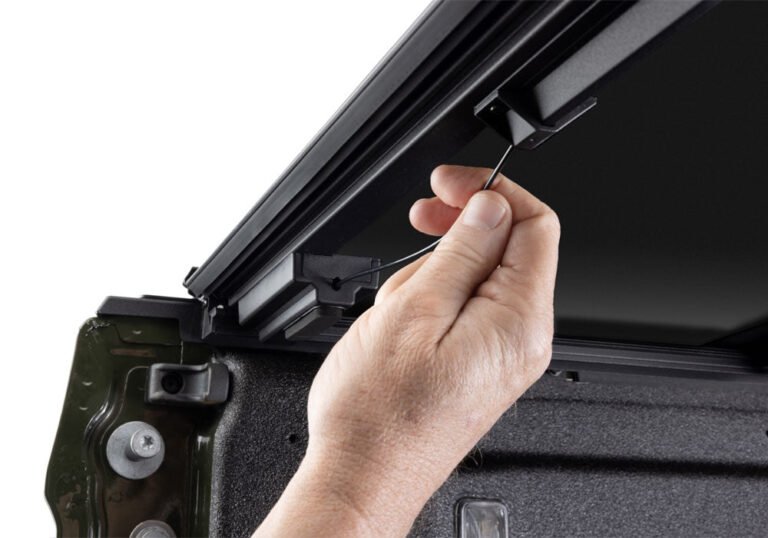
Test the automatic latching system by closing panels completely. Latches should engage with gentle pressure and hold securely without manual assistance. If latches require excessive force or don’t engage properly, check panel alignment and latch adjustment procedures in the installation manual.
Verify tailgate operation with the cover in various positions. The tailgate should open and close normally with panels fully closed, partially open, or completely folded. Any interference indicates improper installation requiring immediate correction.
Tacoma-Specific Installation Challenges
Toyota Tacoma installations present unique challenges that differ from other truck models. Understanding these specific issues helps prevent installation problems and ensures optimal cover performance.
Bed Rail Variations
Tacoma bed rails vary between trim levels and model years in subtle but important ways. Sport models may include different rail cap designs that affect clamp seating. TRD Pro versions sometimes feature unique bed coatings that require special preparation for proper adhesion.
Some Tacoma models include factory bed rail accessories like tie-down cleats or cargo management systems. These accessories can interfere with clamp positioning and may require temporary removal during installation. Plan for this possibility and have appropriate tools available.
The bed rail coating thickness varies between Tacoma model years and can affect clamp fitment. Newer models with thicker spray-in liners may require clamp adjustment or longer bolts for proper engagement. Always test-fit clamps before final installation.
Tailgate Seal Compatibility
Tacoma tailgates feature unique sealing surfaces that require specific weatherstripping placement for effective water exclusion. The dual-action seal included with the MX4 must align precisely with Tacoma tailgate contours to prevent leaks.
Some Tacoma models include tailgate dampening systems that affect seal placement and cover clearance. These systems change tailgate closing characteristics and may require seal adjustment for optimal contact pressure and weather sealing.
Factory tailgate handle designs vary between Tacoma trim levels and can interfere with cover operation. Test handle clearance throughout the complete range of cover positions to ensure no contact or binding occurs during normal operation.
Common Installation Mistakes and Solutions
Avoiding common bakflip mx4 tacoma install mistakes saves time and prevents problems that require reinstallation or component replacement. These errors typically result from rushing the process or not following Tacoma-specific procedures.
Improper Rail Alignment
The most frequent installation error involves misaligned side rails that cause binding and premature wear. Rails that aren’t parallel or properly positioned relative to the bed centerline create stress on panels and hinges during operation.
Always measure rail position from multiple reference points including the tailgate, bulkhead, and bed center. Small alignment errors multiply across the four-panel span and can prevent proper closing or latching. Take time to verify measurements before tightening clamps.
Use the cover panels themselves as alignment guides during rail installation. With panels loosely mounted, you can adjust rail position for optimal panel alignment before final tightening. This technique ensures proper operation from the start.
Over-Tightening Hardware
Excessive clamp tightening damages Tacoma bed rail coatings and can crack plastic rail caps. Over-tightened clamps also distort rail alignment and create stress points that lead to premature failure. Follow specified torque values to prevent these problems.
Use a torque wrench for final tightening rather than impact tools or excessive hand force. BAK specifies proper torque values in the installation manual—these values provide adequate clamping force without damage. Most installations require 12-15 ft-lbs on clamp bolts.
Check clamp tightness after the first month of use as vibration and temperature cycling can affect initial settings. Retighten as needed but don’t exceed original specifications. Properly installed clamps rarely require frequent adjustment.
Inadequate Weatherstripping Installation
Poor weatherstripping installation allows water infiltration that defeats the cover’s primary purpose. Weatherstripping must be properly cleaned, positioned, and compressed for effective sealing. Contaminated surfaces prevent adhesive bonding and allow seal failure.
Clean all sealing surfaces with isopropyl alcohol immediately before applying weatherstripping. Oils from handling, manufacturing residue, and environmental contaminants prevent proper adhesion. Allow surfaces to dry completely before seal application.
Apply weatherstripping with firm, consistent pressure to ensure complete adhesive contact. Avoid stretching seals during installation as this creates thin spots that fail prematurely. Properly installed seals last 5-7 years under normal conditions.
Post-Installation Testing and Adjustment
Completing the bakflip mx4 tacoma installation requires comprehensive testing to verify proper operation and weather sealing. This testing phase identifies any adjustments needed before regular use begins.
Operational Testing Sequence
Begin with complete folding cycle testing to verify smooth operation through all positions. Panels should fold easily without binding, excessive force, or unusual noises. Each hinge should operate smoothly with consistent resistance throughout its range of motion.
Test the automatic latching system multiple times to ensure reliable engagement. Latches should engage with gentle panel closure and release easily when activated. Inconsistent latching indicates adjustment needs or installation errors requiring correction.
Verify tailgate compatibility with the cover in various positions. Open and close the tailgate with panels fully closed, partially open, and completely folded. Any binding or interference requires immediate attention to prevent damage during normal use.
Weather Sealing Verification
Conduct a water test to verify effective weather sealing around the complete perimeter. Use a garden hose to simulate moderate rainfall intensity while checking for leaks around panels, rails, and the tailgate seal.
Pay special attention to corner areas and panel joints where most leaks occur. These areas experience the highest stress and require proper seal compression for effective water exclusion. Small leaks indicate seal adjustment needs rather than installation failure.
Check drainage system function by observing water flow through the integrated drain tubes. These tubes should direct water away from the bed interior without backup or pooling. Blocked drains cause water accumulation that can overwhelm sealing systems.
Load Testing and Security
Test the cover’s load-bearing capacity by applying moderate weight across the panel surface. The MX4 supports 300 pounds distributed weight, but avoid point loads that can damage individual panels. Test with various cargo types to ensure adequate clearance and support.
Verify security latch engagement under loaded conditions. Cargo weight affects panel alignment and can prevent proper latching if the cover isn’t properly adjusted. Latches should engage reliably regardless of reasonable cargo loads.
Test highway driving conditions during the first week after installation. Monitor for any movement, noise, or operational changes that indicate adjustment needs. Initial settling is normal, but significant changes suggest installation problems requiring attention.
Maintenance Requirements After Installation
Proper maintenance extends BAKFlip MX4 Tacoma lifespan and ensures continued performance. Regular maintenance prevents minor issues from developing into expensive repairs requiring component replacement.
Regular Cleaning Protocol
Wash your bakflip mx4 tacoma every 4-6 weeks using mild car soap and water. Pay special attention to drainage channels and hinge areas where dirt accumulates and accelerates wear. Pressure washing works well but keep nozzles at least 12 inches from seals to avoid damage.
Clean latch mechanisms quarterly to prevent debris buildup that causes binding or failure. Use compressed air to blow out dirt and debris, then apply dry lubricant to moving parts. Avoid petroleum-based products that attract more dirt and accelerate wear.
Apply silicone spray to all seals every three months to maintain flexibility and compression characteristics. This prevents premature hardening and cracking that leads to weather seal failure. Quality silicone sprays are available at any automotive store.
Seasonal Maintenance Tasks
Perform comprehensive inspections twice yearly to catch developing problems early. Check all clamps for tightness, examine seals for damage, and test operational smoothness. Small adjustments prevent major problems and expensive repairs.
Winter preparation includes additional seal lubrication to prevent freeze damage in cold climates. Cold weather makes rubber seals brittle and prone to cracking. Proper lubrication maintains flexibility through temperature extremes.
Summer maintenance focuses on UV protection and heat management. Clean panels more frequently to remove contaminants that accelerate sun damage. Check seal condition as heat accelerates degradation of rubber components.
Troubleshooting Common Issues
Understanding how to diagnose and resolve common bakflip mx4 tacoma install problems helps maintain optimal performance and prevents minor issues from becoming major repairs.
Panel Binding Problems
Panel binding during folding typically results from misaligned rails or debris accumulation in hinge mechanisms. Check rail alignment using measurements from multiple reference points. Small alignment errors create cumulative binding that worsens over time.
Clean all hinge pivot points thoroughly using compressed air and appropriate solvents. Road salt, mud, and debris cause increased friction that manifests as binding or difficult operation. Regular cleaning prevents most binding problems.
Lubricate hinges with dry lubricant approved for outdoor use. Wet lubricants attract dirt and create paste-like deposits that worsen binding problems. Dry lubricants provide necessary friction reduction without debris attraction.
Water Leak Diagnosis
Water leaks through closed panels indicate seal failure or improper adjustment. Determine leak location using systematic water testing while observing from inside the bed. Most leaks occur at corners, panel joints, or tailgate seal areas.
Corner leaks often result from damaged or improperly installed seals. These high-stress areas experience maximum compression and release cycles. Replace damaged seals and verify proper installation following manufacturer specifications.
Panel joint leaks suggest hinge seal deterioration or panel misalignment. Check panel alignment when closed and verify consistent gaps between sections. Uneven gaps indicate rail misalignment requiring adjustment or reinstallation.
Latch Operation Problems
Latching difficulties typically result from spring tension loss or debris interference. Test latch operation without panels to isolate mechanism problems from alignment issues. Clean latch mechanisms thoroughly and lubricate with appropriate products.
Weak spring engagement indicates component wear requiring replacement. Latch springs weaken over time and thousands of operating cycles. Replacement restore original operation and prevent security failures.
Adjustment procedures can restore proper latch engagement in many cases without component replacement. Follow manufacturer adjustment procedures carefully as incorrect adjustment can worsen problems or damage mechanisms.
Professional Installation vs DIY Considerations
Deciding between professional installation and DIY bakflip mx4 tacoma install depends on your mechanical skills, available tools, and time constraints. Both approaches have advantages depending on individual circumstances.
DIY Installation Advantages
DIY installation saves $200-400 in professional labor costs while providing valuable familiarity with your cover’s operation and maintenance requirements. Understanding how components interact helps with future troubleshooting and maintenance tasks.
You can work at your own pace without appointment scheduling constraints. Professional installers often rush to meet daily quotas, potentially overlooking details that affect long-term performance. DIY installation allows meticulous attention to every detail.
The satisfaction of completing a complex installation successfully provides confidence for future truck modifications. Many owners enjoy working on their vehicles and prefer hands-on involvement over paying for services they can perform themselves.
Professional Installation Benefits
Experienced installers complete bakflip mx4 tacoma installations in 45-60 minutes compared to 2-4 hours for first-time DIY attempts. They bring specialized tools, experience with common problems, and troubleshooting skills that prevent costly mistakes.
Professional installation typically includes warranty coverage for installation-related problems. If issues develop due to improper installation, professional installers correct problems at no charge. DIY installations place full responsibility on the owner.
Many professional dealers offer package deals combining product purchase with discounted installation. These packages often cost less than separate purchase and installation while ensuring proper setup and warranty coverage.
Making the Right Choice
Consider professional installation if you lack basic mechanical skills or appropriate tools. Improper installation voids warranty coverage and can damage expensive components. The cost of correcting DIY mistakes often exceeds professional installation fees.
Choose DIY installation if you have mechanical experience and enjoy working on vehicles. The installation process isn’t particularly complex but requires attention to detail and patience. Having help for panel handling and alignment makes the process easier.
Regardless of installation method, read the complete instruction manual before beginning work. Understanding the complete process prevents mistakes and helps identify potential problems before they cause damage or require reinstallation.
Frequently Asked Questions
What tools do I need for BAKFlip MX4 Tacoma installation?
You’ll need a socket wrench set, screwdrivers, measuring tape, and torque wrench for proper installation. Include isopropyl alcohol and clean rags for surface preparation. Most installations require 45-90 minutes with basic hand tools—no specialized equipment needed.
Can I install a BAKFlip MX4 on my Tacoma without drilling?
Yes, the bakflip mx4 tacoma uses a no-drill clamp system that secures to existing bed rails without permanent modifications. Eight heavy-duty clamps provide secure mounting while preserving resale value. Installation doesn’t void truck warranties or require bed modifications.
Will the MX4 work with my Tacoma bed liner?
The MX4 is compatible with most spray-in and drop-in bed liners. Clamps adjust for varying liner thicknesses up to 0.25 inches. Some thick aftermarket liners may require longer clamp bolts available from BAK Industries. Test-fit clamps before final installation.
How do I know if I need the 5ft or 6ft MX4 model?
Measure your Tacoma bed from inside bulkhead to inside tailgate. Standard short beds measure 60.5 inches requiring the 5ft model. Long beds measure 73.7 inches requiring the 6ft model. Incorrect sizing prevents proper installation and operation.
What’s the difference between Gen 2 and Gen 3 Tacoma compatibility?
Third-generation Tacomas (2016-present) use identical MX4 installation hardware and procedures. Second-generation Tacomas (2005-2015) require different clamp designs due to varying bed rail profiles. Verify your generation before ordering to ensure proper fitment.
Can I install the MX4 myself or should I use a professional?
DIY installation saves $200-400 in labor costs and provides valuable familiarity with your cover. However, professional installation ensures proper setup with warranty coverage. Choose based on your mechanical skills, available time, and tool access.
How long does BAKFlip MX4 Tacoma installation typically take?
Professional installers complete bakflip mx4 tacoma install in 45-60 minutes. First-time DIY installations typically require 2-4 hours including preparation and testing. Having assistance with panel handling reduces installation time significantly.
What should I do if panels don’t align properly after installation?
Panel misalignment usually indicates improper rail positioning. Loosen clamps and readjust rail position using the panels as alignment guides. Small adjustments often resolve binding or gap issues. Serious misalignment may require complete reinstallation.