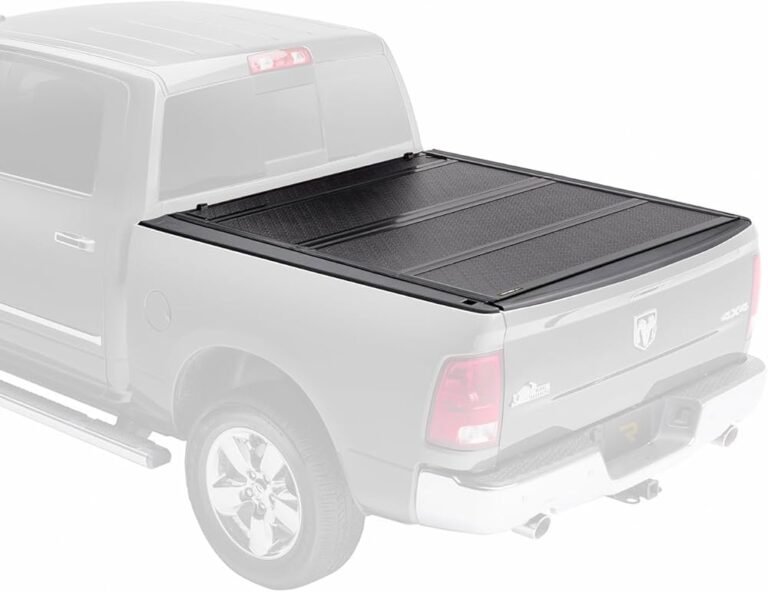
BAKFlip Tonneau Cover Overview | Complete Guide to Models & Features
BAKFlip MX4 – Premium Aluminum Construction
The flagship MX4 combines durability with versatility through its aluminum panel construction and advanced folding design. Features include integrated drainage channels, automatic latching system, and compatibility with most truck bed accessories. Supports up to 400 pounds when locked in the upright position for hauling tall cargo. The matte black finish resists scratches while maintaining professional appearance. Available for Ford F-150, Chevrolet Silverado, RAM 1500, Toyota Tundra, and GMC Sierra with exact bed length matching. Installation requires no drilling on most applications.
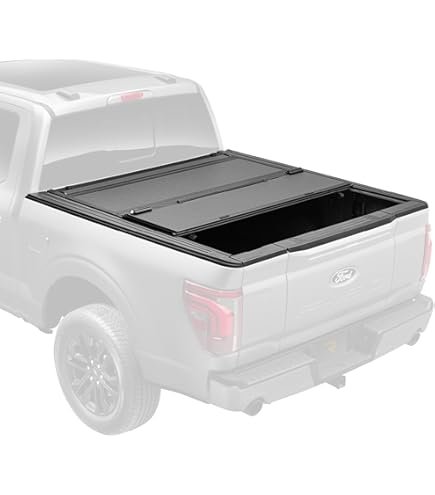
BAKFlip G2 – Proven Performance Value
The G2 delivers reliable protection at an accessible price point without sacrificing BAKFlip’s signature quality. Features aluminum panels with weather-resistant foam core, dual-action tailgate seal, and smooth folding operation. Designed for truck owners seeking genuine BAKFlip performance without premium features. Supports moderate cargo loads and integrates with most bed liner systems. Compatible with all major truck models including F-150, Silverado, RAM 1500, Tundra, and Tacoma. Installation time averages 45 minutes with included hardware and no-drill clamps.
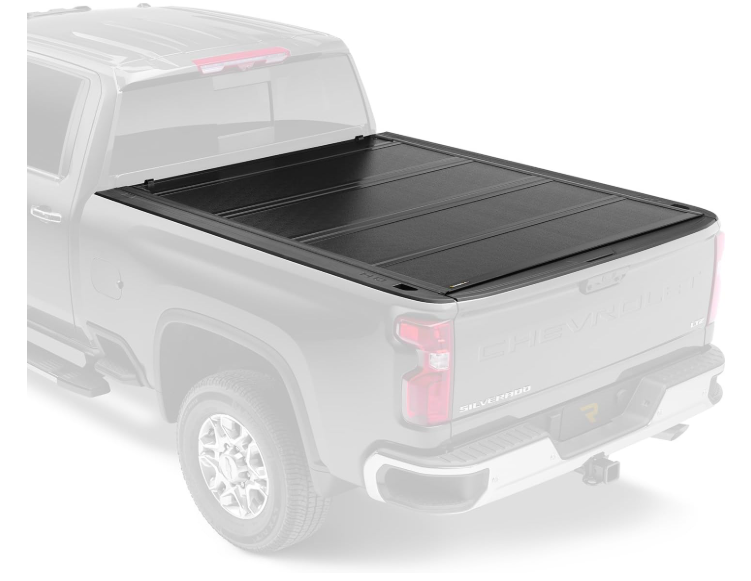
BAKFlip F1 FiberMax – Composite Innovation
The F1 FiberMax features composite panel construction combining strength with reduced weight for improved fuel economy. Advanced FiberMax material provides dent resistance superior to aluminum while maintaining folding flexibility. Includes enhanced seal system, corrosion-resistant hardware, and streamlined profile. Perfect for truck owners prioritizing lightweight performance without compromising durability. Available for popular truck models with precise bed dimensions. The composite construction handles extreme temperatures better than metal alternatives. Professional appearance complements any truck color.
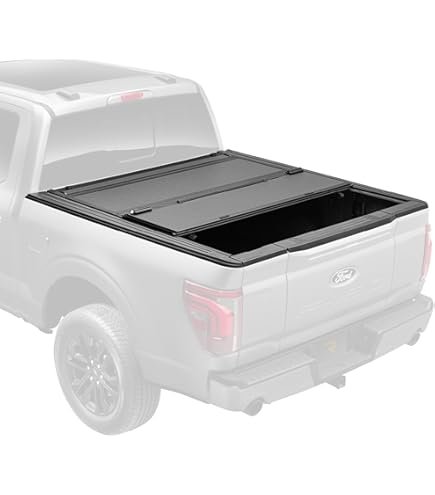
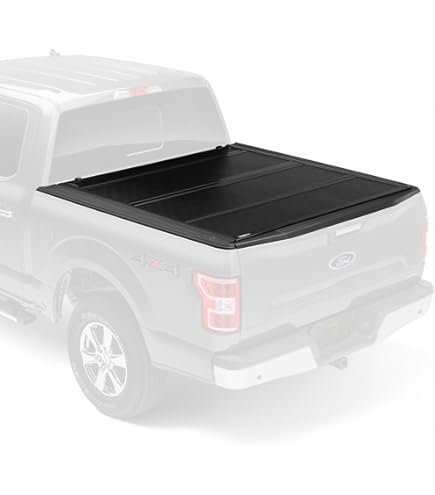
BAKFlip MX4S – Short Bed Specialist
Engineered specifically for short bed applications, the MX4S optimizes folding geometry for 5.5-foot and 6-foot truck beds. Features reinforced corner construction, enhanced seal system, and precise panel proportions maximizing cargo space. The compact folding design ensures full bed access without interfering with cab or toolbox installations. Includes all MX4 premium features adapted for shorter bed lengths. Compatible with SuperCrew F-150, Crew Cab Silverado, and Quad Cab RAM configurations. Installation remains straightforward with application-specific hardware included.
Understanding BAKFlip Tonneau Cover Technology
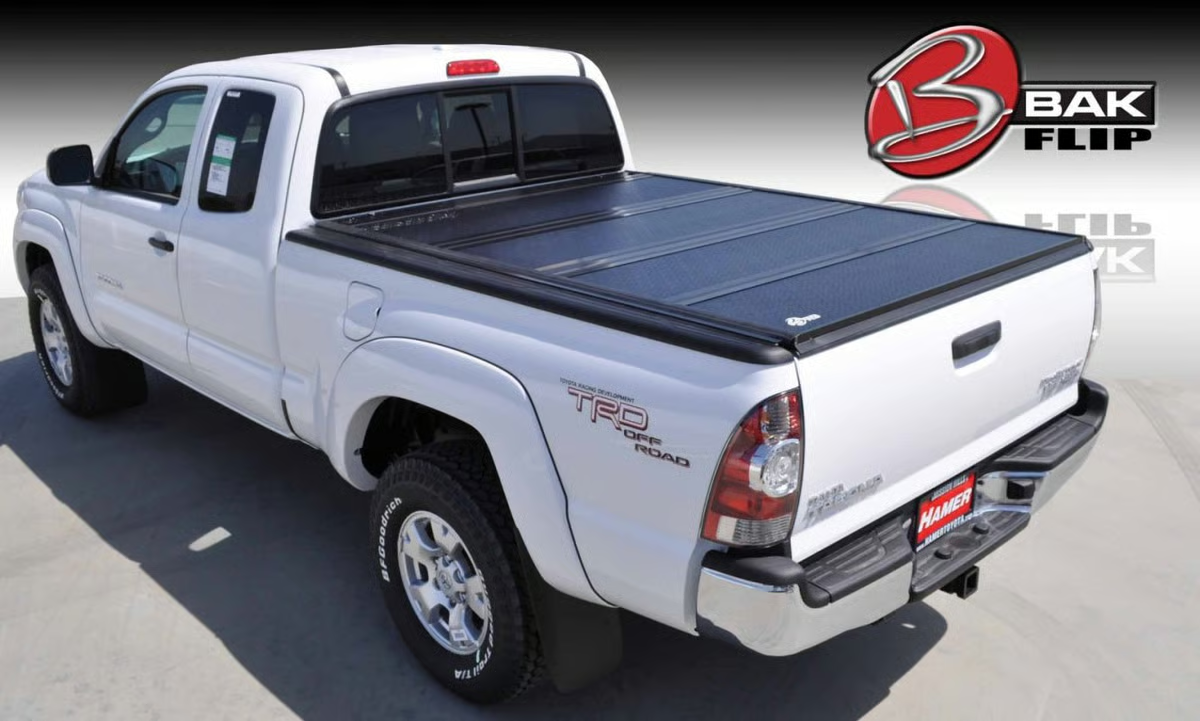
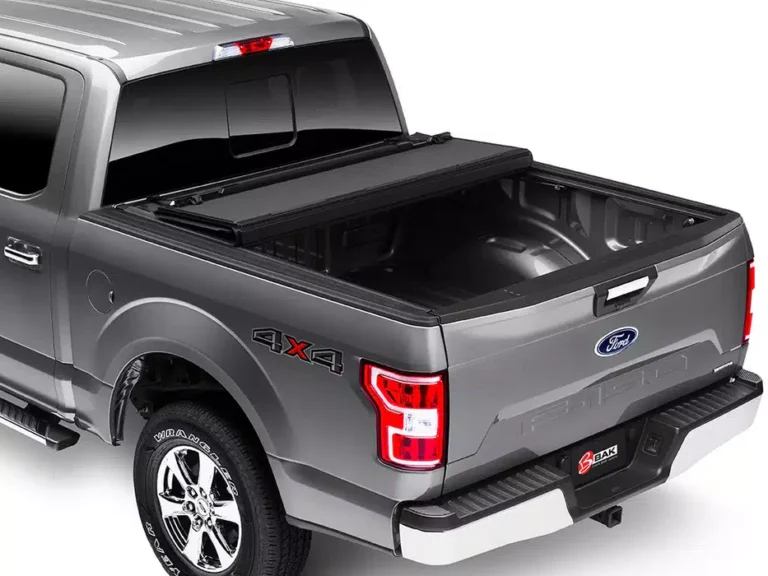
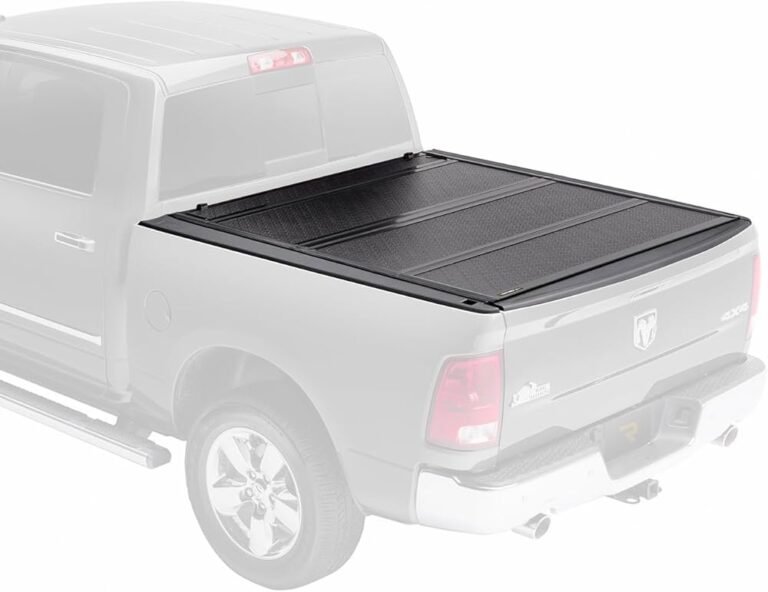
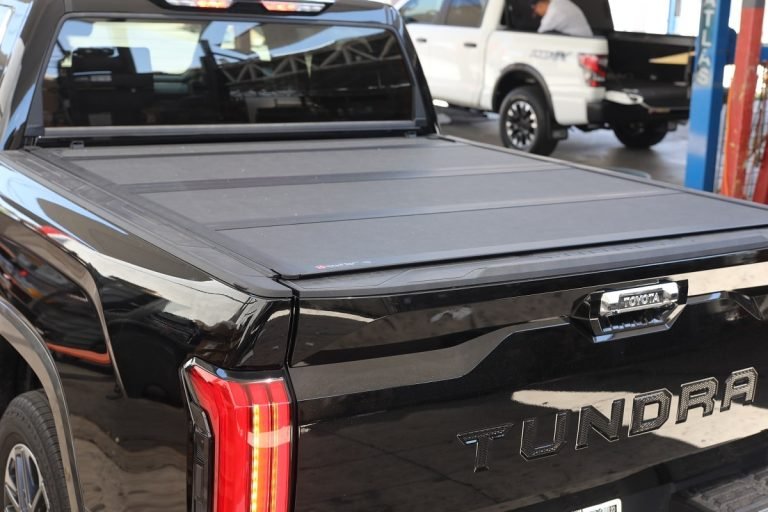
BAKFlip revolutionized the truck bed cover industry by pioneering the folding aluminum tonneau design that combines security, weather protection, and cargo accessibility in a single system. Unlike traditional roll-up or hinged covers, BAKFlip tonneau covers fold accordion-style, allowing complete bed access while maintaining structural integrity and professional appearance.
The foundation of every BAKFlip tonneau cover lies in its precision-engineered aluminum panels connected by heavy-duty hinges designed for thousands of folding cycles. Each panel incorporates integrated drainage channels that direct water away from cargo while maintaining the sleek profile truck owners demand. This engineering approach ensures your investment delivers years of reliable service regardless of weather conditions or usage intensity.
What sets BAKFlip apart from competitors is their commitment to truck-specific engineering. Every cover design starts with precise measurements of each truck bed configuration, ensuring perfect fitment without gaps or interference. This attention to detail extends to hardware selection, seal design, and mounting systems optimized for each vehicle platform.
Aluminum vs Composite Construction
BAKFlip offers both aluminum and composite panel construction to meet different performance priorities and budget requirements. Aluminum models like the MX4 and G2 provide maximum durability and dent resistance, ideal for commercial use or heavy cargo applications. The matte finish resists scratches while maintaining professional appearance through years of use.
The FiberMax composite construction in the F1 model reduces weight while maintaining structural strength through advanced materials engineering. This weight reduction improves fuel economy and makes cover operation easier for users who frequently fold and unfold their covers. Composite construction also provides superior temperature stability, remaining flexible in extreme cold where aluminum might become rigid.
Both construction methods include foam core insulation that provides thermal protection for cargo while adding structural rigidity to panels. This multi-layer approach ensures panels maintain their shape under load while providing acoustic dampening that reduces road noise transmission into the cab.
Folding Mechanism Design
The signature folding operation of BAKFlip tonneau covers relies on precision-engineered hinges designed to operate smoothly through thousands of cycles. Each hinge incorporates sealed bearings and corrosion-resistant materials ensuring smooth operation regardless of weather exposure or debris accumulation.
Panels fold in predetermined sequences that maintain structural integrity while providing maximum cargo access. The engineering ensures folded panels don’t interfere with cab windows, bed rails, or installed accessories. This careful geometric planning allows full bed utilization without compromising the cover’s protective functions.
Advanced models include automatic latching systems that secure panels in both closed and folded positions without manual intervention. Springs and mechanical linkages engage automatically as panels reach predetermined positions, ensuring secure operation even when users don’t manually engage latches.
BAKFlip Model Comparison and Selection Guide
Choosing the right BAKFlip tonneau cover depends on your specific truck model, usage patterns, and performance priorities. Each model in the BAKFlip lineup targets different user needs while maintaining the brand’s commitment to quality construction and reliable operation.
| Model | Construction | Weight Capacity | Best For | Price Range |
|---|---|---|---|---|
| MX4 | Aluminum/Foam Core | 400 lbs | Premium performance | $$$$ |
| G2 | Aluminum/Foam Core | 300 lbs | Value-conscious buyers | $$$ |
| F1 FiberMax | Composite/Foam Core | 350 lbs | Weight reduction | $$$$ |
| MX4S | Aluminum/Foam Core | 400 lbs | Short bed trucks | $$$$ |
The MX4 represents BAKFlip’s flagship model with premium features including enhanced drainage, reinforced corner construction, and maximum weight capacity. Choose the MX4 when you demand the absolute best performance and plan to utilize your truck bed heavily. The investment pays dividends through years of trouble-free operation and superior weather protection.
Budget-conscious buyers should consider the G2 as the best value option that doesn’t compromise essential BAKFlip quality. While lacking some premium MX4 features, the G2 provides excellent weather sealing, reliable operation, and the same precision fitment that defines the BAKFlip brand. Most truck owners find the G2 exceeds their performance expectations.
Truck Compatibility Considerations
BAKFlip tonneau covers are engineered for specific truck models and bed lengths ensuring perfect fitment without modifications. Popular applications include Ford F-150 (all bed lengths), Chevrolet Silverado 1500, RAM 1500, Toyota Tundra, and GMC Sierra with precise measurements for each configuration.
Compatibility extends beyond basic dimensions to include accessory integration. Most BAKFlip covers work with spray-in bed liners, drop-in bed liners, and bed rail systems. However, some combinations require specific hardware or slight modifications. Always verify compatibility with existing accessories before ordering.
Newer truck models may require updated hardware or mounting systems as manufacturers change bed designs. BAKFlip continuously updates their applications to maintain compatibility with current model years. Check the official application guide for your specific truck year, model, and bed length before purchasing.
Climate and Usage Considerations
Extreme climate conditions influence BAKFlip model selection based on material performance characteristics. Aluminum models excel in hot climates where thermal expansion and UV exposure challenge lesser materials. The metal construction maintains dimensional stability and appearance through years of intense sun exposure.
Cold climate users benefit from composite FiberMax construction that remains flexible in sub-zero temperatures. While aluminum becomes rigid in extreme cold, the composite material maintains folding flexibility ensuring smooth operation regardless of temperature extremes. This flexibility prevents stress cracking and mechanical binding.
Commercial users or those frequently hauling heavy cargo should prioritize maximum weight capacity models like the MX4. The reinforced construction and heavy-duty hardware handle repeated loading and unloading cycles that would stress lighter-duty alternatives. Industrial applications particularly benefit from aluminum construction’s impact resistance.
Installation Process and Requirements
BAKFlip tonneau covers feature straightforward installation designed for DIY completion using basic hand tools. Most installations require 45-90 minutes depending on truck model and user experience level. The comprehensive instruction manual includes truck-specific guidance and troubleshooting tips for common installation challenges.
The no-drill installation approach used on most applications preserves your truck’s resale value while providing secure mounting. Precision-engineered clamps distribute load evenly across bed rails preventing damage or deformation. This clamping system allows easy removal if you need to access underlying areas or remove the cover entirely.
Some truck models require minimal modifications like removing plastic bed rail caps or repositioning existing hardware. These modifications are clearly documented in application-specific instructions with detailed photos and part numbers for any required components. Professional installation remains available through authorized dealers if you prefer expert completion.
Required Tools and Preparation
Basic installation requires socket wrenches, screwdrivers, and measuring tools commonly found in most home tool collections. A torque wrench helps achieve proper clamp tightening specifications preventing over-tightening that could damage bed rails or under-tightening that allows movement and leaks.
Preparation involves cleaning bed rails thoroughly and removing any debris or corrosion that might interfere with proper clamp seating. Some installations benefit from applying provided sealant or padding materials that prevent water intrusion and protect paint finishes. Take time during preparation to identify any potential interference issues before beginning installation.
Have a helper available for positioning larger cover assemblies during initial placement. While not heavy, the covers are awkward to handle alone and proper alignment requires precision. Two people can complete installation more efficiently while reducing risk of scratching panels or truck surfaces during positioning.
Post-Installation Adjustment
New installations require adjustment and break-in periods for optimal performance. Initial setup involves adjusting clamp positions for perfect alignment, setting proper seal compression, and verifying smooth folding operation. These adjustments ensure weather sealing and prevent premature wear from misalignment.
Test all latching and folding functions multiple times during initial break-in. Mechanisms may feel stiff initially but smooth out with use. However, binding or excessive force requirements indicate adjustment needs that should be addressed immediately to prevent damage.
Schedule a 30-day inspection to retighten clamps and verify all adjustments remain correct. Initial settling and temperature cycling may require minor adjustments to maintain optimal fit and sealing. This inspection prevents minor issues from developing into expensive repairs.
Weather Protection and Sealing Technology
Superior weather sealing represents one of BAKFlip’s primary value propositions, protecting cargo from rain, snow, dust, and wind-driven debris. The multi-layer sealing system combines perimeter gaskets, hinge seals, and integrated drainage to create comprehensive weather protection rivaling hard truck bed covers.
The perimeter seal system uses high-grade EPDM rubber designed for automotive applications requiring UV resistance, temperature stability, and compression retention. These seals maintain flexibility through temperature extremes while providing consistent compression against bed rail surfaces. Proper installation creates a weatherproof barrier that protects valuable cargo.
Advanced models include integrated drainage channels within panels and rails that collect and direct water away from cargo areas. This active water management prevents accumulation that could overwhelm seals or find entry points through normal expansion and contraction cycles. Drainage systems require periodic cleaning but significantly enhance weather protection.
Seal Maintenance and Replacement
Maintaining optimal seal performance requires periodic inspection and basic maintenance procedures. Check seals quarterly for cracking, hardening, or permanent compression that reduces sealing effectiveness. Healthy seals feel supple and spring back when compressed, while worn seals remain flat or show visible damage.
Clean seals regularly with mild soap and water to remove accumulated dirt and UV-degrading contaminants. Apply silicone protectant every six months to maintain flexibility and resist cracking. Avoid petroleum-based products that degrade rubber compounds and accelerate seal deterioration.
Replace seals promptly when water intrusion occurs despite proper closure and adjustment. Delayed replacement allows water damage to cargo and may cause structural problems if moisture penetrates foam core panels. Genuine BAK replacement seals ensure proper fit and material compatibility.
Extreme Weather Performance
BAKFlip tonneau covers undergo rigorous testing in extreme weather conditions including hurricane-force winds, hail impacts, and thermal cycling from -40°F to 180°F. This testing validates real-world performance under conditions exceeding normal usage parameters.
Wind resistance testing confirms panels remain secure at highway speeds up to 85 MPH with properly adjusted latches and seals. Aerodynamic design minimizes wind noise while maintaining fuel economy benefits. However, extreme crosswinds may require reduced speeds to prevent stress on mounting hardware.
Hail resistance varies by panel construction and impact energy. Aluminum models resist small hail with minimal cosmetic damage while larger hail may cause denting. Composite FiberMax construction provides superior impact absorption, often bouncing back from impacts that would dent aluminum permanently. Consider climate history when selecting construction materials.
Security Features and Cargo Protection
While not designed as security devices, BAKFlip tonneau covers provide valuable deterrent effects against opportunistic theft while keeping cargo out of sight. The folding design allows users to secure panels in closed position while maintaining quick access when needed for loading and unloading.
The automatic latching systems on premium models provide consistent closure without requiring manual engagement. This convenience ensures security features remain active even when users forget to manually secure latches. However, these mechanical latches aren’t designed to prevent determined theft attempts with tools.
Enhance security by combining your BAKFlip cover with complementary systems like bed locks, tailgate locks, or alarm systems. The tonneau cover conceals cargo while additional security measures protect against theft. This layered approach provides maximum protection for valuable equipment and cargo.
Locking Mechanisms and Upgrades
Standard BAKFlip models include automatic latching without key locks. Aftermarket locking mechanisms integrate with existing latch points to provide keyed security. These upgrades maintain the cover’s quick-access convenience while adding theft deterrence for high-value cargo applications.
Some users install auxiliary security cables connecting panels to bed anchor points as additional theft prevention. While not factory features, these modifications work within the cover’s design parameters without voiding warranties. Consult with dealers about approved security enhancements for your specific application.
Consider integrated bed lighting systems that activate when covers open, improving visibility while deterring theft through illumination. Many LED bed light systems integrate cleanly with BAKFlip installations and provide practical benefits for nighttime cargo handling.
Maintenance Schedule and Long-Term Care
Proper maintenance extends BAKFlip tonneau cover lifespan significantly while maintaining optimal appearance and performance. Establish regular inspection and cleaning schedules based on usage intensity and environmental exposure. Commercial users need more frequent attention than recreational users in moderate climates.
Monthly maintenance should include visual inspection of all seals, latches, and panels for damage or wear indicators. Clean panels and rails with automotive soap, removing accumulated dirt that accelerates component wear. Lubricate hinges and latches with appropriate lubricants to maintain smooth operation.
Seasonal maintenance involves detailed inspection and component replacement as needed. Check clamp torque specifications and retighten if necessary. Replace worn seals before they fail completely. Address minor issues promptly to prevent expensive repairs later.
Common Wear Items and Replacement Schedule
Seals typically require replacement every 5-7 years depending on climate exposure and usage patterns. UV degradation, ozone exposure, and temperature cycling gradually reduce seal effectiveness. Plan seal replacement before water intrusion occurs to prevent cargo damage.
Corner caps and trim pieces may need replacement every 7-10 years from impact damage and UV exposure. These cosmetic components don’t affect function but maintain professional appearance. Replacement involves simple snap-on installation requiring no tools or special skills.
Latching mechanisms last 10+ years with proper lubrication but may need adjustment or spring replacement sooner with heavy use. Smooth operation and automatic engagement indicate healthy latches, while sticky operation or failure to engage signals maintenance needs.
Warranty Coverage and Service
BAKFlip provides comprehensive 5-year limited warranty coverage on materials and workmanship defects. This warranty covers structural failures, manufacturing defects, and premature component wear under normal usage conditions. Commercial applications may have different warranty terms.
Warranty service requires proof of purchase and proper maintenance documentation. Keep installation records, maintenance receipts, and photos documenting any damage or wear patterns. This documentation supports warranty claims and helps technicians diagnose problems efficiently.
Authorized dealers provide warranty service and technical support throughout the coverage period. Many dealers stock common replacement parts and can complete warranty repairs on-site. Complex issues may require factory consultation or component replacement through BAK Industries directly.
Fuel Economy and Aerodynamic Benefits
Independent testing confirms BAKFlip tonneau covers improve fuel economy by 2-10% depending on driving conditions, vehicle type, and cover model. The aerodynamic benefits result from eliminating turbulent airflow in open truck beds that creates drag and reduces efficiency.
Highway driving shows the greatest fuel economy improvement where aerodynamic effects dominate performance. City driving benefits are minimal since aerodynamic drag plays a smaller role at lower speeds. However, even modest improvements add up to significant savings over thousands of miles annually.
The streamlined profile of folding tonneau covers provides better aerodynamic performance than roll-up or snap-on alternatives. Rigid panels maintain consistent airflow attachment while flexible covers may flutter or deform at highway speeds, reducing aerodynamic efficiency.
Real-World Fuel Economy Testing
BAK Industries commissioned independent fuel economy testing using standardized procedures and professional drivers. Results show consistent improvement across multiple truck models and engine configurations. Larger trucks with less aerodynamic shapes show greater percentage improvements.
User reports typically show 1-3 MPG improvement in highway fuel economy with properly installed and adjusted covers. While individual results vary based on driving habits, vehicle condition, and environmental factors, most users notice measurable improvement within the first tank of fuel.
Calculate potential savings based on annual mileage and fuel costs to determine if fuel savings justify cover investment. High-mileage drivers in expensive fuel markets may recover cover costs through fuel savings alone within 2-3 years.
Frequently Asked Questions
What’s the difference between BAKFlip models?
The main differences lie in construction materials, weight capacity, and premium features. The MX4 offers maximum capacity and premium features, while the G2 provides essential functions at lower cost. The F1 FiberMax uses composite construction for weight reduction. All models share the same precision engineering and quality construction standards.
Can I install a BAKFlip cover myself?
Yes, most BAKFlip installations are DIY-friendly requiring only basic hand tools and 45-90 minutes. Detailed instructions include truck-specific guidance and troubleshooting tips. However, professional installation ensures perfect results and may be required for warranty coverage on complex applications.
Do BAKFlip covers work with bed liners?
Most spray-in and drop-in bed liners are compatible with BAKFlip covers. Some combinations may require specific hardware or slight modifications. Always verify compatibility with your specific bed liner before ordering. Rail-mounted accessories may require additional consideration.
How do I know which size cover I need?
Measure your truck bed length from inside the bulkhead to inside the tailgate. Common sizes include 5.5′, 6.5′, and 8′ bed lengths. BAKFlip offers specific models for each truck and bed length combination. Check the official application guide for your exact vehicle year and model.
What warranty coverage do BAKFlip covers include?
BAKFlip provides a 5-year limited warranty covering materials and workmanship defects under normal use. The warranty covers manufacturing defects and premature component failure but excludes damage from accidents, misuse, or normal wear items. Proper maintenance and genuine parts are required for warranty validity.
Can I drive with the cover partially folded?
No, drive only with the cover fully closed or completely folded. Partially folded positions create dangerous aerodynamic forces that can damage the cover or create safety hazards. The latching system secures panels in predetermined positions only—never drive with panels in intermediate positions.
How much weight can a BAKFlip cover support?
Weight capacity varies by model: MX4 supports 400 lbs, G2 supports 300 lbs, and F1 FiberMax supports 350 lbs when properly distributed across closed panels. These ratings apply only when panels are closed and latched—never place weight on folded or unlatched panels.
Do BAKFlip covers affect truck resale value?
Quality tonneau covers typically increase truck resale value by protecting the bed from damage and demonstrating owner care. BAKFlip’s premium reputation and professional appearance appeal to used truck buyers. The no-drill installation preserves original bed condition for maximum value retention.