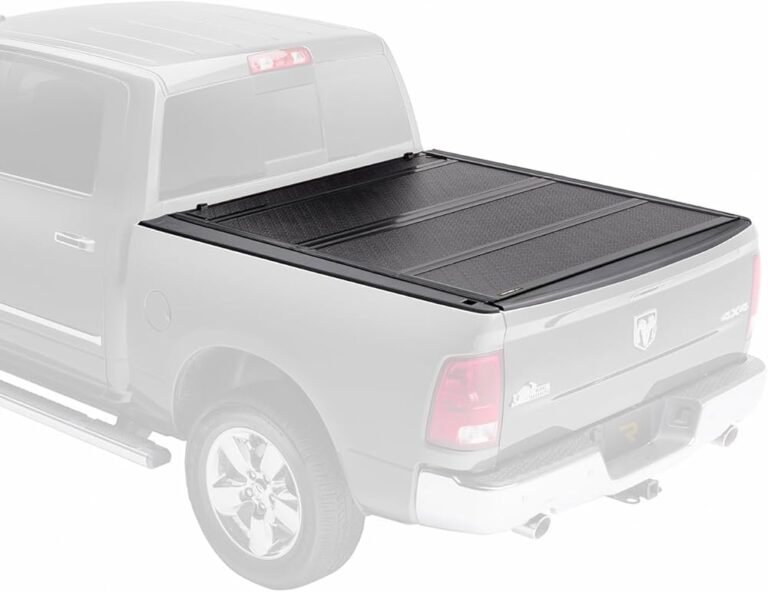
BAKFlip MX4 Rails & Clamps | Complete Installation Hardware Guide
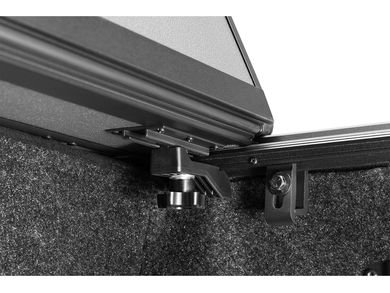
BAKFlip MX4 Aluminum Side Rail Assembly
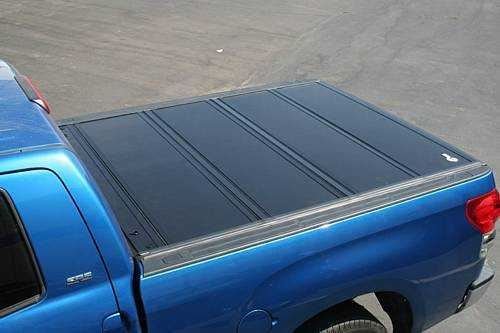
The BAKFlip MX4 rails feature precision-extruded aluminum construction with integrated drainage channels and weather sealing grooves. Each rail measures 1.5 inches high and includes pre-drilled mounting points spaced exactly 16 inches apart for universal truck bed compatibility. The lightweight yet rigid design supports 300+ pounds distributed load while maintaining the folding tonneau cover’s structural integrity. Powder-coated finish resists corrosion through years of weather exposure. Rails integrate seamlessly with factory bed rails on Ford F-150, Chevrolet Silverado, RAM 1500, and Toyota Tundra applications.
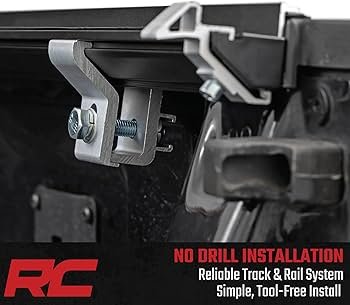
BAKFlip MX4 No-Drill Clamp System
No-drill installation clamps secure BAKFlip MX4 rails to factory bed rails without permanent modifications. Heavy-duty cast aluminum construction with stainless steel hardware resists corrosion and maintains clamping force through temperature extremes. Rubber cushions protect truck bed rail finish while distributing pressure evenly. Each clamp adjusts from 0.5-2.0 inches to accommodate different bed rail thicknesses across truck models. Tool-free removal allows complete cover uninstallation in under 15 minutes when needed. Torque specification of 25 ft-lbs ensures secure mounting without over-compression damage.

BAKFlip MX4 Drill-In Rail Mounting System
For trucks requiring drill-in installation, BAKFlip MX4 rails include heavy-duty mounting brackets with stainless steel fasteners. This permanent mounting system provides maximum security for work trucks and commercial applications. Brackets feature oversized contact patches distributing loads across wider areas. Self-sealing screws prevent water intrusion through mounting holes. Installation template ensures precise hole placement and professional appearance. Works on truck beds without suitable factory rails or applications requiring maximum theft resistance. Professional installation recommended for drill-in systems to maintain truck warranty compliance and proper weatherproofing.
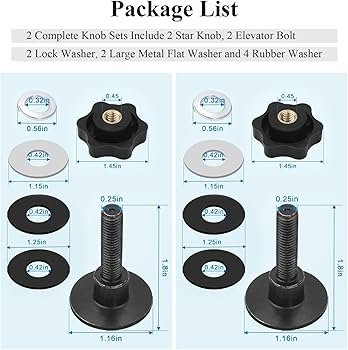
BAKFlip MX4 Clamp Hardware Replacement Kit
Complete hardware kit includes all clamps, bolts, washers, and mounting brackets for full BAKFlip MX4 installation or replacement of worn components. Stainless steel fasteners resist corrosion through years of weather exposure and road salt. Kit includes 8 clamps, 16 bolts, 16 lock washers, and 16 rubber cushions sufficient for complete installation. Part number BAK-356A0020 ensures compatibility across all MX4 models and truck applications. Spare clips and fasteners included for future maintenance needs. Essential when hardware gets lost during cover removal or when purchasing used covers without mounting equipment.
Understanding BAKFlip MX4 Rail System Design
The BAKFlip MX4 rails represent a sophisticated mounting system engineered specifically for folding tonneau cover applications. Unlike generic bed rail systems, these rails integrate multiple functions into a single component—structural support, water management, panel attachment, and secure mounting. The precision-extruded aluminum profile creates channels and mounting surfaces that generic rails simply cannot replicate.
Each MX4 rail assembly incorporates drainage channels that direct water away from cargo areas. These micro-channels appear minor but play critical roles in weather protection. Water flowing off the tonneau cover follows these channels to designated drain points rather than pooling or leaking into the truck bed. Generic mounting systems lack this engineering, leaving cargo vulnerable to water damage.
The rail profile also creates precise mounting surfaces for tonneau cover panels. BAKFlip engineers designed specific angles and dimensions that ensure proper panel alignment and weather sealing. When panels close, they compress seals to exact specifications preventing air and water infiltration. Aftermarket rail systems lack these precise dimensions, creating gaps that compromise weather protection.
Rail Material Engineering
BAKFlip constructs MX4 rails from 6000-series aluminum alloy chosen specifically for strength-to-weight ratio and corrosion resistance. This alloy provides structural rigidity supporting 300+ pound distributed loads while remaining light enough for easy handling during installation. The material resists corrosion without requiring thick protective coatings that add weight and bulk.
The powder-coat finish applied to MX4 rails creates a durable surface that withstands UV exposure, temperature cycling, and chemical exposure from road salt and cleaning products. This finish integrates chemically with the aluminum substrate rather than simply coating the surface like paint. The result is a finish that won’t chip, peel, or fade through years of exposure.
Internal stress relief during the extrusion process prevents rail warping under load or temperature changes. Cheap aluminum rails often warp from thermal stress or bend under cargo loads. BAKFlip’s manufacturing process creates rails that maintain dimensional stability through extreme temperature ranges from -40°F to 160°F.
Integrated Drainage Engineering
The drainage channel system built into BAKFlip MX4 rails demonstrates sophisticated water management engineering. Multiple micro-channels direct water flow away from critical sealing areas and toward designated drain points. This prevents water accumulation that causes seal degradation and cargo damage.
Channel placement coordinates with tonneau cover fold patterns to ensure water flows correctly regardless of panel position. When covers are partially open, drainage continues working rather than allowing water backup. This engineering consideration separates professional systems from basic mounting hardware.
The channels also prevent debris accumulation that clogs drainage and causes operational problems. The smooth aluminum surfaces and proper flow angles encourage self-cleaning action during rain and washing. Leaves, dirt, and debris wash away rather than collecting in corners and crevices.
BAKFlip MX4 Clamp System Technology
The BAKFlip MX4 clamps represent advanced mounting technology that eliminates permanent truck modifications while providing secure attachment. The no-drill clamp system uses mechanical advantage and distributed pressure to create mounting forces equivalent to bolted installations without drilling holes in truck beds.
Each clamp features adjustable jaw spacing accommodating bed rail thicknesses from 0.5 to 2.0 inches. This range covers virtually all pickup truck models including heavy-duty applications with reinforced bed rails. The adjustment mechanism maintains constant pressure despite temperature changes and vibration that loosen inferior clamps.
The clamp body uses cast aluminum construction rather than cheaper stamped steel found on generic systems. Cast aluminum provides superior strength and dimensional accuracy while resisting corrosion. The casting process creates complex internal geometries impossible with stamped components, optimizing stress distribution and clamping force.
Rubber Cushion Technology
Rubber cushions integrated into MX4 clamps serve multiple critical functions beyond simple paint protection. The specialized compound distributes clamping pressure evenly across bed rail surfaces, preventing stress concentrations that damage paint or dent metal. This pressure distribution also increases effective contact area, improving grip strength.
The rubber material uses EPDM formulation specifically chosen for temperature stability and ozone resistance. Standard rubber compounds harden in cold weather and soften excessively in heat, reducing clamping effectiveness. EPDM maintains consistent properties from -40°F to 180°F, ensuring reliable clamping across all climate conditions.
Cushions also provide vibration damping that prevents loosening during driving. Road vibration gradually loosens mechanical connections, but rubber cushions absorb these vibrations while maintaining compression. This extends hardware life and reduces maintenance requirements.
Stainless Steel Hardware Integration
All BAKFlip MX4 clamp hardware uses 316-grade stainless steel chosen for superior corrosion resistance in marine and road salt environments. This grade costs significantly more than basic stainless but provides decades of service life without rust or degradation. Generic systems use cheaper hardware that corrodes within years.
The thread pitch and head design optimize clamping force while preventing over-tightening damage. Coarse threads provide maximum holding power while fine threads allow precise pressure adjustment. Hex head bolts accommodate standard tools and provide positive engagement preventing slippage during installation.
Lock washers included with each clamp prevent loosening from vibration and temperature cycling. These washers create spring pressure that maintains bolt tension despite thermal expansion and contraction. Standard flat washers lack this capability and allow gradual loosening over time.
Installation Methods: No-Drill vs Drill-In Systems
BAKFlip offers both no-drill clamp mounting and drill-in bracket systems for MX4 rails, each optimized for different applications and security requirements. Understanding these mounting methods helps you choose the appropriate system for your truck and usage patterns.
The no-drill clamp system works on most modern pickup trucks with factory bed rails suitable for clamping. This method preserves truck bed integrity, maintains warranty coverage, and allows complete removal without permanent modifications. Clamps distribute mounting loads across existing bed rail structures engineered to handle these forces.
Some applications require drill-in mounting when factory bed rails lack suitable clamping surfaces or maximum security is needed. Work trucks, commercial vehicles, and high-theft areas benefit from permanent mounting that resists removal attempts. Drill-in systems also work on older trucks with incompatible bed rail designs.
No-Drill Clamp Installation Process
Installing BAKFlip MX4 rails with clamps typically takes 45-90 minutes with basic hand tools. The process begins with positioning rails along bed rail centerlines and marking clamp locations. Proper rail alignment ensures panels close evenly and seals compress correctly.
Each clamp requires specific torque specifications to achieve optimal holding force without damaging bed rails. Under-tightening allows movement and leaks while over-tightening can crack aluminum bed rails or strip threads. BAK provides torque specifications in installation instructions—typically 25 ft-lbs for most applications.
The installation process includes alignment checks ensuring rails sit parallel and level. Misaligned rails cause binding, uneven wear, and sealing problems. Using measurement tools during installation prevents problems that require complete reinstallation to correct.
When Drill-In Mounting Makes Sense
Commercial truck applications often benefit from drill-in mounting systems that resist theft attempts and provide maximum security. Work trucks frequently carry valuable tools and equipment making them targets for tonneau cover theft. Permanent mounting significantly increases removal difficulty and time requirements.
Some truck models lack suitable bed rail configurations for clamp mounting. Older trucks, modified beds, or specialty applications may require drill-in brackets for proper attachment. The bracket system distributes loads across wider areas and accommodates non-standard mounting surfaces.
Maximum load applications sometimes exceed clamp system capabilities despite meeting weight specifications. Frequent heavy cargo loading, extreme off-road use, or commercial applications benefit from permanent mounting’s superior load distribution and resistance to loosening.
Drill-In System Installation Considerations
Professional installation is strongly recommended for drill-in mounting systems to ensure proper hole placement, weatherproofing, and warranty compliance. Incorrect installation can compromise truck bed integrity and create leak points requiring expensive repairs.
The drilling process requires precise hole placement using provided templates and proper drill bit sizes. Holes must be perfectly aligned to prevent binding and stress concentrations. Self-sealing screws prevent water intrusion but require correct installation techniques.
Warranty implications vary by truck manufacturer for drill-in installations. Some void bed warranties while others accept proper installations. Check warranty terms before drilling and consider having authorized dealers perform installations to maintain coverage.
Truck Model Compatibility and Rail Sizing
BAKFlip engineers MX4 rails to accommodate the vast majority of pickup truck bed configurations with minimal variation in hardware. However, specific truck models require particular attention to rail length, mounting hardware, and installation procedures.
Ford F-150 Rail Requirements
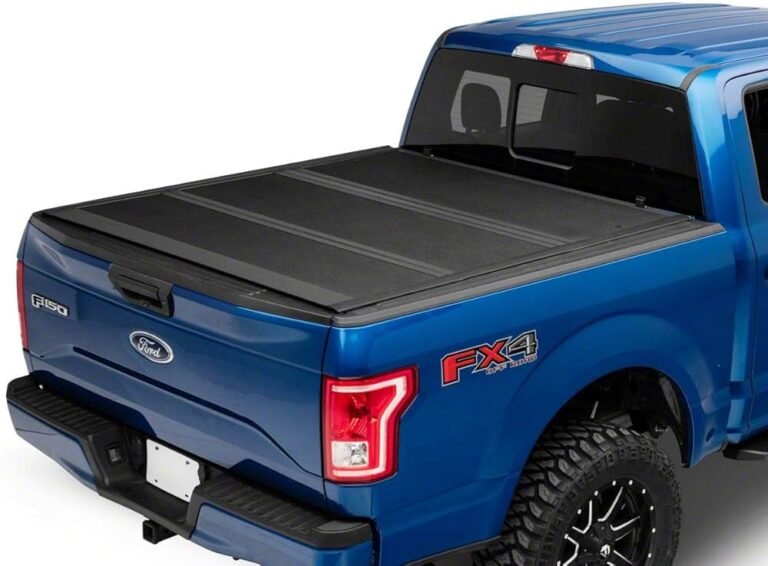
Ford F-150 models from 2015-current feature factory bed rails specifically designed for clamp-on tonneau covers. The rail thickness and profile provide ideal clamping surfaces for MX4 hardware. Different cab configurations require different rail lengths—SuperCab trucks use 6.5-foot rails while SuperCrew models accommodate both 5.5-foot and 6.5-foot bed options.
The F-150’s aluminum bed construction requires specific torque specifications to prevent over-tightening damage. Aluminum has different expansion characteristics than steel, affecting clamp pressure during temperature changes. BAK provides F-150-specific installation instructions addressing these considerations.
Lightning electric models share bed configurations with gas F-150s but include additional considerations for charging port access and tonneau cover clearance. Special rail positioning ensures cover operation doesn’t interfere with charging cables.
Chevrolet Silverado and GMC Sierra Applications
Silverado and Sierra models use steel bed construction with robust factory rails ideal for clamp mounting. The bed rail profile provides excellent clamping surfaces and high load capacity. Standard cab, double cab, and crew cab configurations each require specific rail lengths matching bed dimensions.
GMT900 generation trucks (2007-2013) and newer K2XX/T1XX platforms (2014+) share similar bed rail configurations allowing common hardware across model years. However, some trim levels include bed rail caps or covers that require removal before tonneau cover installation.
Heavy-duty 2500 and 3500 models feature reinforced bed rails with thicker cross-sections requiring maximum clamp jaw opening. Standard MX4 clamps accommodate these applications but require different installation techniques ensuring proper seating.
RAM 1500 Mounting Considerations
RAM 1500 models present unique challenges due to RamBox integration and bed rail design variations across model years. Standard beds without RamBox systems use conventional clamp mounting, but RamBox-equipped trucks require special considerations for rail positioning and drainage.
The RAM’s bed rail profile differs from Ford and GM designs, requiring specific clamp positioning to achieve proper contact. Installation instructions include RAM-specific diagrams showing correct clamp placement and orientation.
Classic RAM models (2019-2022) and current DT generation trucks share similar bed configurations but different bed lengths. The 5’7″ short bed requires unique rail lengths not interchangeable with other manufacturers.
Toyota Tundra Compatibility
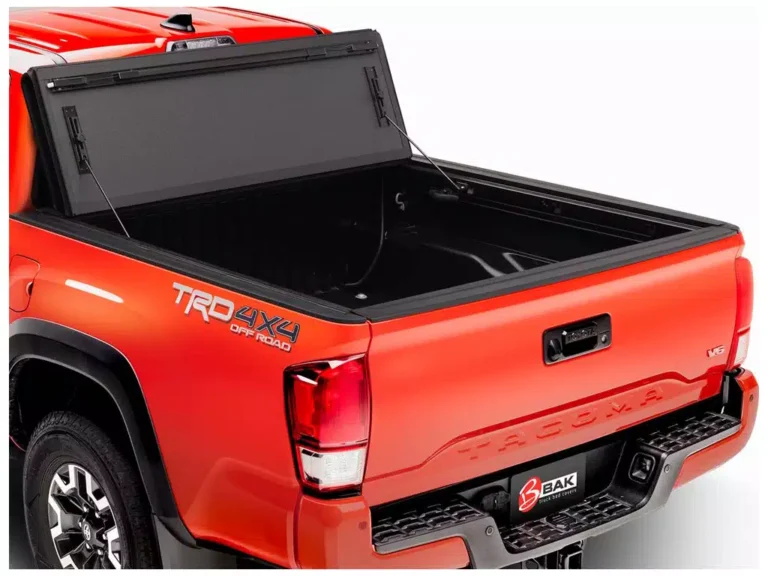
Toyota Tundra models feature robust steel bed construction with factory rails providing excellent clamping surfaces. The unique bed dimensions—5.5-foot and 6.5-foot options—require specific rail lengths. However, the rail mounting positions match industry standards allowing straightforward installations.
Second-generation Tundra (2007-2021) and current third-generation models (2022+) share similar bed rail configurations despite significant platform changes. The consistent mounting points simplify parts inventory and installation procedures.
TRD Pro and off-road models include factory bed protection features that may interfere with clamp positioning. These accessories often require removal or modification for proper tonneau cover fit.
Rail Maintenance and Troubleshooting
Proper maintenance extends BAKFlip MX4 rail life significantly while preventing operational problems that compromise weather sealing and security. Regular inspection and basic care prevent most issues that require expensive repairs or replacements.
Regular Inspection Schedule
Inspect rail alignment monthly during routine vehicle maintenance. Rails should remain parallel and level with no visible sagging or movement. Misalignment indicates loose clamps, damaged hardware, or structural problems requiring immediate attention.
Check clamp tightness quarterly using proper torque specifications. Vibration and temperature cycling gradually loosen hardware despite lock washers. Retightening maintains secure mounting and prevents progressive loosening that leads to complete failure.
Drainage channel cleaning every six months prevents blockages that cause water backup and leaks. Use compressed air or small brushes to remove accumulated debris. Clear channels ensure proper water flow and prevent corrosion from standing water.
Common Problems and Solutions
Water leaks around rail mounting points usually indicate compromised seals or loose clamps. Inspect rubber cushions for damage and retighten hardware to specifications. Damaged cushions require replacement to restore weather sealing.
Noise during driving suggests loose mounting hardware or worn rubber cushions allowing vibration. Systematic tightening often resolves noise issues. Persistent problems may indicate damaged clamps or worn mounting surfaces requiring hardware replacement.
Difficult panel operation can result from misaligned rails, debris in mounting channels, or damaged rail surfaces. Clean all mounting surfaces and check alignment using measurement tools. Bent or damaged rails require professional evaluation and potential replacement.
Hardware Replacement Guidelines
Replace rubber cushions every 5-7 years or when they show cracking, hardening, or permanent compression. UV exposure and temperature cycling gradually degrade rubber compounds reducing effectiveness and weather sealing.
Stainless steel hardware typically lasts the life of the tonneau cover but may require replacement if damaged during installation or maintenance. Keep spare bolts and washers available for emergencies or field repairs.
Complete clamp replacement becomes necessary when cast aluminum bodies crack or adjustment mechanisms fail. Individual clamps are available without purchasing complete hardware kits, reducing replacement costs for isolated failures.
Upgrading from Stock Mounting Systems
Many truck owners initially install basic tonneau covers with inferior mounting systems before discovering the superior performance of BAKFlip MX4 rails and clamps. Upgrading mounting hardware often provides significant improvements in security, weather sealing, and operational smoothness.
Benefits of MX4 Rail Upgrades
Upgrading to BAKFlip MX4 rails from generic mounting systems typically improves weather sealing dramatically. The precision-engineered rail profiles create proper compression surfaces for tonneau cover seals, eliminating leaks that plague generic systems. Integrated drainage channels prevent water accumulation that causes cargo damage.
The improved structural rigidity of MX4 rails reduces tonneau cover deflection under load and prevents sagging that compromises appearance and function. Premium aluminum construction provides long-term dimensional stability impossible with steel rails that rust and weaken over time.
Installation convenience improves significantly with MX4 clamp systems designed for repeated installation and removal. Generic systems often require permanent modifications or use hardware that damages during removal, making maintenance difficult and expensive.
Compatibility with Existing Covers
BAKFlip MX4 rails work with most folding tonneau covers using similar mounting patterns and hardware spacing. However, optimal performance requires matching rail systems to specific cover designs. Some covers benefit from complete replacement when upgrading mounting hardware.
Panel adjustment may be necessary when upgrading rail systems due to different mounting heights and angles. Professional installation ensures proper fit and adjustment, maximizing the benefits of upgraded hardware.
Consider complete system replacement when upgrading older covers with worn components. The combined cost of new rails, clamps, and associated hardware often approaches new tonneau cover pricing while providing guaranteed compatibility and warranty coverage.
Professional Installation vs DIY Approaches
While BAKFlip MX4 rail installation appears straightforward, several factors influence whether professional installation provides better value than DIY approaches. Understanding these considerations helps you make informed decisions about installation methods.
DIY Installation Requirements
Successful DIY installation requires proper tools including torque wrenches, socket sets, measuring devices, and adequate workspace. Many truck owners underestimate tool requirements and end up with suboptimal installations that compromise performance and warranty coverage.
The installation process demands attention to detail during measurement, alignment, and hardware tightening. Small errors in positioning or torque specifications create problems that worsen over time. Professional installers complete these steps routinely while DIY installers learn through potentially expensive mistakes.
Time investment for first-time DIY installations often exceeds expectations. What professionals complete in 45-60 minutes may take several hours for inexperienced installers. This time cost plus potential rework expenses often exceed professional installation fees.
Professional Installation Advantages
Professional installers bring specialized experience with truck-specific challenges and solutions. They recognize compatibility issues, access problems, and installation tricks that prevent common problems. This experience prevents delays and ensures correct first-time installation.
Warranty protection often extends beyond the tonneau cover itself when professional installation is used. Many installers guarantee their work and provide service for installation-related problems. DIY installations place all responsibility on the owner for any issues that develop.
Tool access provides another advantage as professionals own specialized equipment for precise measurements, proper torque application, and efficient work flow. Purchasing tools for single-use installation often costs more than professional installation fees.
Making the Installation Decision
Choose professional installation if you lack mechanical experience, proper tools, or time for careful work. The modest cost provides significant value through proper installation, warranty protection, and peace of mind. Professional installation also includes system testing and adjustment ensuring optimal performance.
DIY installation makes sense for experienced mechanics with proper tools who enjoy hands-on work. The learning experience and cost savings appeal to many truck owners willing to invest time in careful installation. Success requires following instructions precisely and using proper torque specifications.
Consider hybrid approaches where you purchase components independently but pay for professional installation. This provides parts cost savings while ensuring proper installation and warranty coverage. Many installers accept customer-supplied parts for reduced total costs.
Frequently Asked Questions
Can I install BAKFlip MX4 rails without drilling holes in my truck bed?
Yes, the BAKFlip MX4 clamp system installs without drilling on most modern pickup trucks with factory bed rails. The no-drill clamps adjust from 0.5-2.0 inches to accommodate different bed rail thicknesses and provide secure mounting equivalent to permanent installations. This preserves truck bed integrity and maintains warranty coverage.
What torque specifications should I use for MX4 clamps?
BAK Industries specifies 25 ft-lbs torque for most MX4 clamp applications. This provides adequate holding force without damaging aluminum bed rails or over-stressing hardware. Ford F-150 aluminum beds may require slightly lower torque—check specific installation instructions for your truck model. Always use a calibrated torque wrench for proper installation.
Will BAKFlip MX4 rails work with my factory bed liner?
Drop-in bed liners typically don’t interfere with MX4 rail installation as clamps mount on exterior bed rails above the liner. However, some thick liners may affect bed rail accessibility. Spray-in liners cause no compatibility issues. RamBox systems require special consideration for proper rail positioning and drainage.
How often should I retighten the clamp hardware?
Inspect and retighten clamp hardware quarterly or every 3,000 miles during regular maintenance. Vibration and temperature cycling gradually loosen hardware despite lock washers. Monthly visual inspection helps catch loosening before it becomes problematic. Immediate retightening is needed if you notice rattling or movement during driving.
Can I remove the rails completely if needed?
The no-drill clamp system allows complete rail removal in 10-15 minutes with basic hand tools. This facilitates truck bed cleaning, maintenance access, or temporary removal for large cargo. Drill-in systems require more time and effort for removal but remain serviceable when needed. Keep all hardware organized during removal for easy reinstallation.
What’s the weight capacity for BAKFlip MX4 rails?
BAKFlip MX4 rails support 300+ pounds distributed load when properly installed with tonneau cover closed. This accommodates most cargo loading scenarios including tools, equipment, and recreational gear. Point loads exceeding 75 pounds in small areas should be distributed with load-spreading devices to prevent rail or panel damage.
Are replacement rails available if mine get damaged?
Individual rail replacement is available through BAK Industries dealers without purchasing complete tonneau cover systems. Rail part numbers vary by truck bed length—measure from inside bulkhead to inside tailgate for correct sizing. Professional installation ensures proper alignment and weather sealing with existing hardware.
Do MX4 rails interfere with other truck bed accessories?
BAKFlip MX4 rails are designed to work with most common truck bed accessories including tie-down systems, cargo management rails, and tonneau cover-compatible toolboxes. However, some accessories may require modification or relocation. Check compatibility with specific accessories before installation to avoid conflicts requiring expensive modifications.