BAKFlip MX4 Toyota Tundra Complete Fit Guide & Review
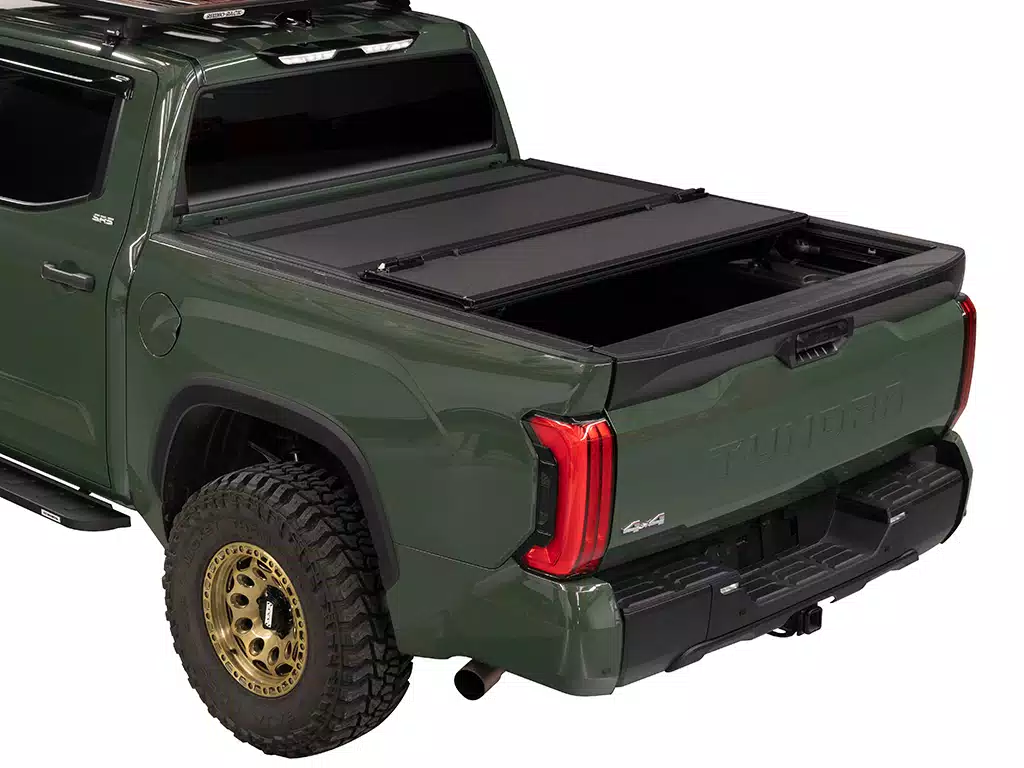
BAKFlip MX4 for Toyota Tundra 2007-2024
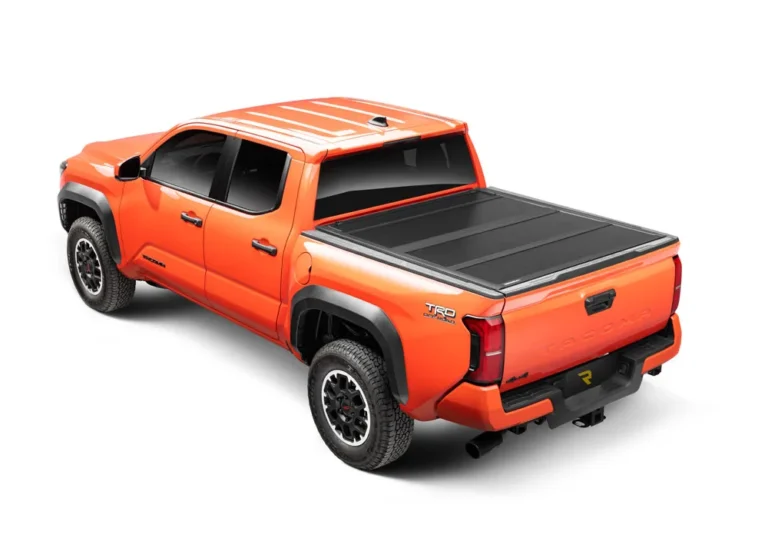
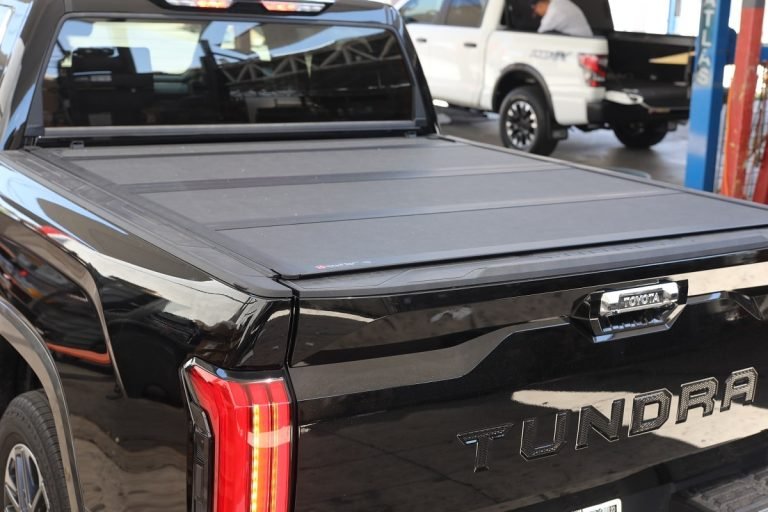
The BAKFlip MX4 fits all Toyota Tundra models from 2007-2024 with 5.5ft and 6.5ft bed configurations. Features dual-action tailgate compatibility allowing full tailgate operation with cover closed or open. Matte black powder-coated aluminum construction matches Tundra’s rugged design perfectly. No-drill installation uses existing stake pocket holes with integrated clamp system. 350-pound load capacity when panels are closed and locked. Includes 5-year limited warranty covering materials and workmanship defects.
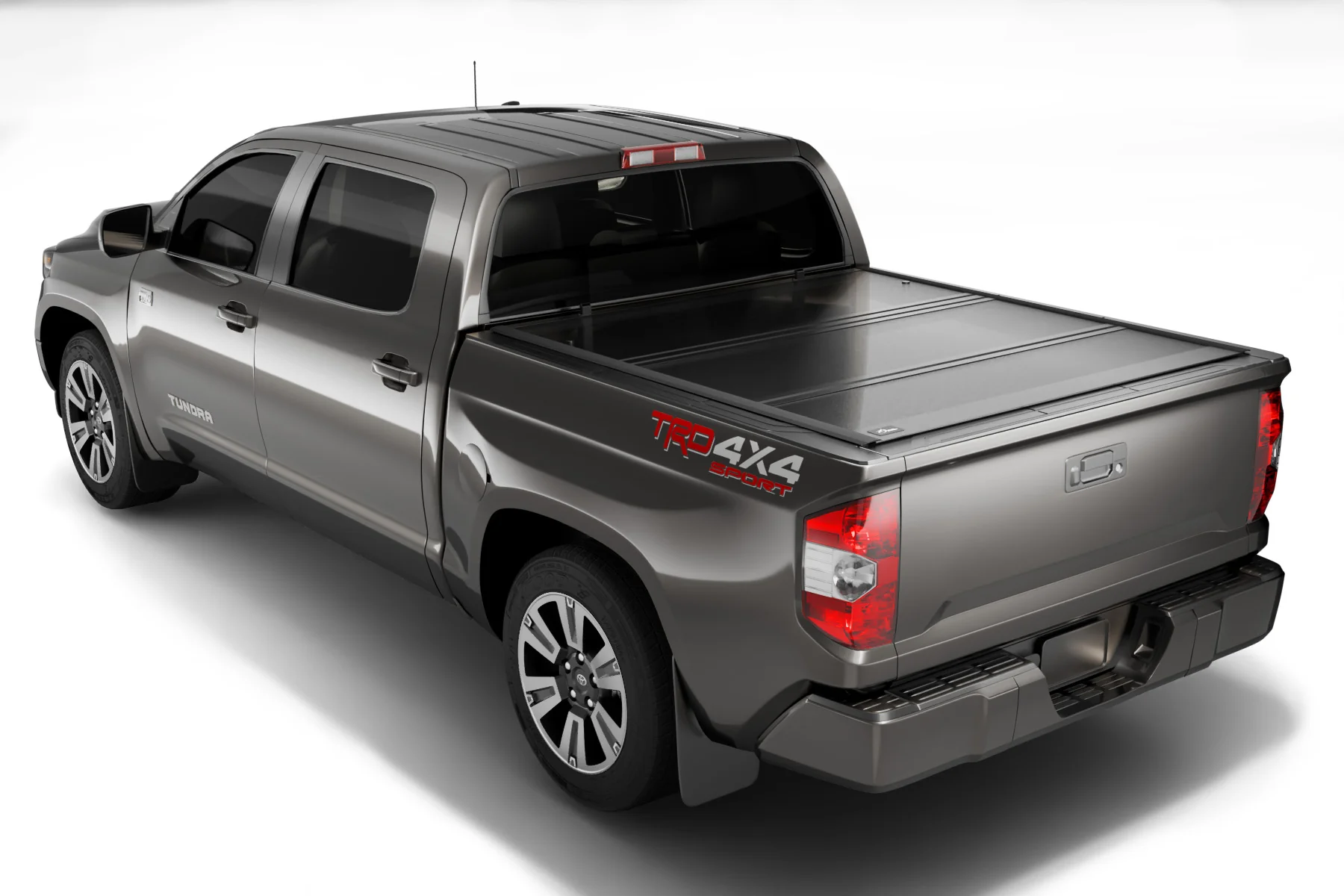
BAKFlip MX4 Tundra 5.5ft Bed Configuration
Part number BAK-448331 designed specifically for Toyota Tundra CrewMax with 5.5-foot bed from 2007-current. Four aluminum panels fold completely against cab for full bed access without removal. Automatic latching system engages when panels close—no manual locking required. Weather seals create watertight barrier protecting cargo from rain, snow, and dust. Integrated drainage channels direct water away from truck bed. Installation time 45-60 minutes with basic hand tools and included hardware kit.
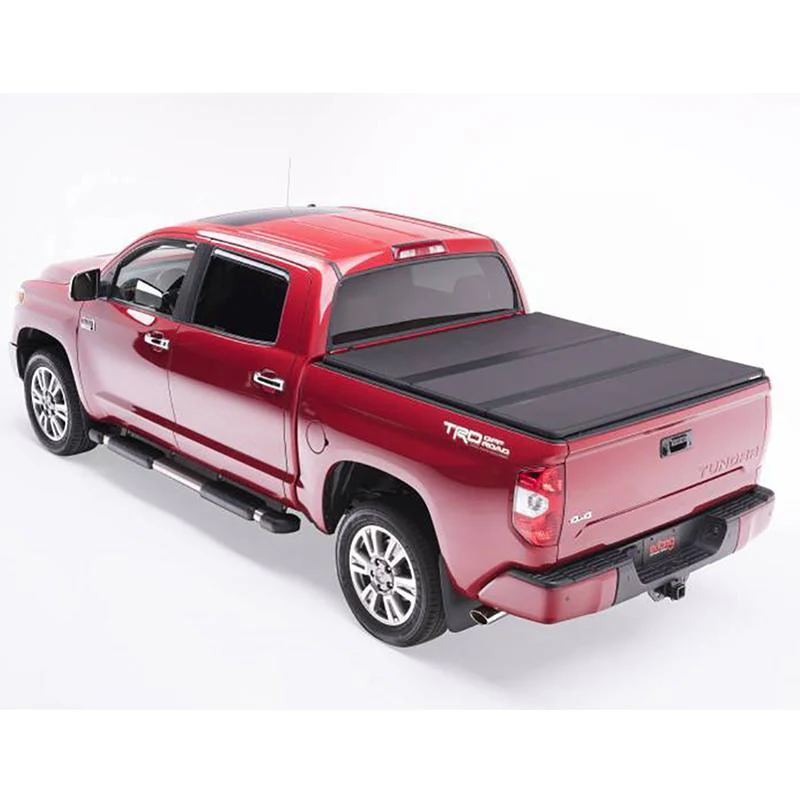
BAKFlip MX4 Tundra 6.5ft Bed Configuration
Part number BAK-448330 engineered for Toyota Tundra Double Cab with 6.5-foot bed spanning all model years 2007-2024. Slightly longer panels provide identical functionality with adjusted dimensions for proper bed coverage. Same aluminum construction, latching mechanisms, and weather sealing as shorter bed version. Flush-mount design maintains Tundra’s clean lines without protruding above bed rails. Compatible with most Tundra bed accessories including tie-down cleats and cargo management systems.
Complete BAKFlip MX4 Tundra Fitment Guide
The BAKFlip MX4 Tundra represents one of the most popular tonneau cover applications for Toyota truck owners seeking premium aluminum construction without sacrificing functionality. Toyota’s reputation for durability aligns perfectly with BAKFlip’s engineering philosophy—both prioritize long-term reliability over flashy features that fail under real-world conditions.
What sets the Tundra application apart from other truck models involves Toyota’s unique bed dimensions and stake pocket positioning. Unlike domestic trucks that follow relatively standardized measurements, the Tundra required specific engineering accommodations for proper fitment. BAK Industries invested significant development time ensuring their MX4 system integrates seamlessly with Toyota’s design language.
The dual-action tailgate compatibility proves especially valuable for Tundra owners who regularly access their bed space. You can operate the tailgate normally with the cover completely closed, partially open individual panels for smaller items, or fold the entire cover against the cab for unrestricted loading. This versatility makes the MX4 ideal for Tundra owners who use their trucks for both daily driving and weekend projects.
2007-2024 Model Year Compatibility
The current BAKFlip MX4 Tundra design covers an impressive span from 2007 through 2024 model years without requiring different part numbers or modifications. This extended compatibility results from Toyota’s decision to maintain consistent bed dimensions and mounting point locations across multiple generations—a rarity in today’s rapidly changing truck market.
Both first-generation (2007-2013) and second-generation (2014-2021) Tundras accept identical MX4 installations. The recent third-generation refresh (2022-current) maintained bed compatibility ensuring existing MX4 owners can upgrade their trucks without replacing perfectly functional covers. This consistency protects your tonneau cover investment across multiple truck ownership cycles.
Toyota’s engineering philosophy emphasizes functional consistency over cosmetic changes—the exact opposite approach from some manufacturers who alter bed dimensions purely for styling purposes. Tundra owners benefit from this practical approach through extended part availability and simplified fitment decisions.
Bed Length Configurations
The Toyota Tundra offers two bed lengths requiring different MX4 part numbers for proper coverage. The 5.5-foot bed comes standard on CrewMax configurations, while 6.5-foot beds pair with Double Cab models. No 8-foot bed option exists for the Tundra unlike domestic competitors offering multiple bed lengths.
Measuring your Tundra bed length accurately prevents ordering incorrect covers that won’t fit properly. Measure from inside the bulkhead to inside the tailgate—not outside dimensions that include tailgate thickness. The 5.5-foot bed measures 66.7 inches internally, while the 6.5-foot version spans 78.7 inches. These precise measurements ensure you order the correct MX4 configuration.
Both bed lengths receive identical construction quality and features. The longer 6.5-foot version simply uses extended panels and rails to accommodate the additional length. Installation procedures, hardware, and warranty coverage remain identical between configurations. Choose based solely on your Tundra’s actual bed measurement.
Installation Process for Tundra Applications
Installing a BAKFlip MX4 on your Toyota Tundra typically requires 45-90 minutes depending on your mechanical experience and available tools. The no-drill installation process uses Toyota’s existing stake pocket holes and bed rail configuration for secure mounting without permanent modifications to your truck.
The Tundra-specific installation differs slightly from domestic truck applications due to Toyota’s unique bed rail design and stake pocket positioning. BAK Industries includes detailed instructions addressing these differences along with Tundra-specific torque specifications and alignment procedures. Following these guidelines ensures proper operation and maintains warranty coverage.
Required Tools and Preparation
Gather a complete socket wrench set with both metric and SAE sockets since Toyota uses metric fasteners while some MX4 hardware employs SAE measurements. Add adjustable wrench, screwdrivers, rubber mallet, and measuring tape. A torque wrench helps achieve proper clamp tightness without over-torquing that can crack aluminum bed rails.
Clean your Tundra bed rails thoroughly before installation to remove dirt, wax, and debris that prevents proper clamp seating. Pay special attention to stake pocket areas where clamps engage. Any contamination between clamps and rails can cause movement or damage over time. Use degreasing cleaner if necessary to achieve completely clean surfaces.
Park your Tundra on level ground with adequate workspace around the entire truck bed. You’ll need access to both sides simultaneously during rail installation and alignment procedures. Clear lighting helps identify proper clamp positioning and prevents installation errors that require disassembly and restart.
Step-by-Step Installation Guide
Begin by unpacking all components and verifying you received complete hardware for your specific bed length. Tundra installations include side rails, panels, clamps, seals, and mounting hardware. Count fasteners against the included parts list—missing components delay installation and may require ordering replacement parts.
Install the side rails first using the clamp system designed for Toyota bed rail dimensions. Position clamps at specified intervals along both rails ensuring even spacing and proper alignment. Tighten clamps gradually in sequence rather than fully tightening one at a time—this prevents binding and ensures even pressure distribution.
Mount the four aluminum panels to the installed rails using the hinge system. Each panel must align precisely for smooth folding operation and weather sealing. Check that panels sit flush when closed and fold without binding or interference. Adjust clamp positions if panels don’t align properly—minor adjustments now prevent major problems later.
Tundra-Specific Installation Tips
Toyota’s bed rail design requires careful attention to clamp orientation during installation. Some clamps must face specific directions for proper engagement with Tundra stake pockets. The installation instructions include diagrams showing correct clamp positioning—follow these exactly to ensure secure mounting.
The Tundra’s tailgate clearance needs verification during installation to ensure panels don’t interfere with tailgate operation. With all panels closed, test tailgate opening and closing through its complete range of motion. Any interference indicates misaligned rails requiring adjustment before final tightening.
Check drainage channel alignment after installation completion. These channels direct water away from the bed and must align with Tundra’s natural drainage points. Blocked drainage can cause water accumulation and potential rust issues over time. Clear any debris and verify water flows freely through all channels.
BAKFlip MX4 Performance on Toyota Tundra
Real-world performance testing reveals the BAKFlip MX4 Tundra combination excels in durability, weather protection, and daily usability. The aluminum construction matches Toyota’s quality standards while providing functionality improvements over soft covers or roll-up alternatives commonly seen on work trucks.
Weather sealing proves exceptionally effective in Tundra applications due to the precise fitment achieved through model-specific engineering. Water intrusion—a common complaint with universal-fit covers—rarely occurs with properly installed MX4 systems. The multi-point sealing system creates overlapping barriers that prevent moisture entry even during severe weather conditions.
Load Capacity and Security
The 350-pound distributed load capacity allows Tundra owners to carry equipment on top of the closed cover without structural damage. This capability proves valuable for contractors, outdoors enthusiasts, and recreational users who need maximum cargo space utilization. Load capacity applies only when panels are completely closed and latched—partially open configurations can’t support additional weight.
Security features include automatic latching mechanisms that engage without manual intervention when panels close completely. The latches resist casual tampering while remaining accessible to owners who know the release locations. While not theft-proof, the MX4 provides significant deterrent value compared to completely open truck beds.
The solid aluminum construction offers impact resistance superior to soft covers when dealing with flying road debris, hail, or accidental cargo contact. Dents may occur under severe impact but typically don’t compromise weather sealing or structural integrity. Minor dents often pop out with gentle pressure applied from underneath.
Daily Use Convenience
Partial panel access represents one of the MX4’s strongest advantages for Tundra owners who frequently access their bed space. You can open just the tailgate-end panel for small items, two panels for medium cargo, or fold the entire cover for maximum access. This flexibility eliminates the all-or-nothing limitation of one-piece covers.
The aluminum panels maintain their appearance better than painted steel alternatives commonly found on cheaper covers. The matte black powder coating resists fading, scratching, and oxidation through years of sun exposure and weather cycling. Occasional washing with soap and water maintains the professional appearance indefinitely.
Panel operation requires minimal physical effort once properly installed and maintained. The gas struts and hinge mechanisms balance panel weight for easy lifting even for smaller users. Silicone spray lubrication every few months keeps all moving parts operating smoothly regardless of weather conditions.
Tundra-Specific Compatibility Considerations
Several Toyota Tundra accessories may interfere with BAKFlip MX4 installation or operation. Understanding these compatibility issues before purchase prevents expensive returns or modifications after installation. Most common accessories work fine, but some require careful planning or alternative solutions.
Bed Liner Compatibility
Drop-in bed liners typically don’t interfere with MX4 installation since the clamp system engages bed rails above the liner level. However, some thick or poorly fitting aftermarket liners may affect clamp positioning. Measure carefully and test-fit clamps before committing to final installation with aftermarket bed liners installed.
Spray-in bed liners generally provide better compatibility since they don’t add significant thickness to bed rail areas. The textured surface may actually improve clamp grip in some cases. Ensure the spray-in liner doesn’t cover stake pocket holes or bed rail clamping surfaces where MX4 hardware needs clean metal contact.
OEM Toyota bed liners receive factory testing for MX4 compatibility and typically work without modification. Aftermarket liners vary significantly in design and fitment—some may require minor trimming or adjustment for proper tonneau cover installation. Check with your liner manufacturer about tonneau cover compatibility before installation.
Toolbox and Storage Integration
Cross-bed toolboxes typically won’t work with the MX4 since the cover needs to fold completely against the cab for full bed access. The toolbox blocks this folding motion creating an either-or choice between tonneau cover and cross-bed storage. Some owners opt for in-bed toolboxes or side-mount storage alternatives that don’t interfere with cover operation.
Side-mount toolboxes work well with MX4 installation provided they don’t interfere with side rail positioning or clamp locations. Measure carefully to ensure adequate clearance between toolbox and tonneau cover hardware. Some repositioning may be necessary to achieve proper fitment of both accessories.
Under-bed storage systems and bed dividers typically don’t interfere with MX4 operation since they operate below the rail level where the tonneau cover mounts. These accessories can provide organized storage while maintaining the weather protection and security benefits of the folding cover system.
Towing and Rack Compatibility
The BAKFlip MX4 doesn’t interfere with standard trailer hitch operation or most fifth-wheel applications. The cover can remain closed during towing provided adequate clearance exists between trailer and truck bed. Always verify clearance measurements before towing with the cover closed to prevent expensive damage from contact.
Gooseneck installations may require cover removal or permanent opening during use depending on trailer configuration and turning radius requirements. The MX4 removes completely in 10-15 minutes when necessary for specialized towing applications. Storage brackets allow secure cover storage during extended towing periods.
Roof rack systems and cab-mounted accessories don’t affect MX4 installation or operation. The tonneau cover operates independently of roof-level equipment and won’t interfere with ladder racks, cargo boxes, or recreational equipment carriers mounted above cab level.
Maintenance Requirements for Tundra Applications
Proper maintenance ensures your BAKFlip MX4 Tundra provides years of reliable service with minimal issues. The aluminum construction requires less maintenance than steel alternatives, but regular attention to seals, hinges, and drainage systems prevents problems that could compromise performance or require expensive repairs.
Regular Cleaning Protocol
Wash the MX4 cover every 4-6 weeks using mild car soap and water to prevent dirt accumulation that accelerates wear on moving parts and seals. Pay special attention to panel gaps and hinge areas where debris collects. Use soft brushes to clean drainage channels and ensure water flows freely away from the bed area.
Avoid harsh chemicals or abrasive cleaners that can damage the powder coating or rubber seals. Simple soap and water followed by thorough rinsing provides adequate cleaning for most conditions. For stubborn stains or heavy contamination, use automotive detailing products designed for painted aluminum surfaces.
Dry the cover completely after washing to prevent water spots and mineral deposits that can build up over time. Use compressed air to blow water from drainage channels and hard-to-reach areas where standing water might cause problems. Complete drying also helps identify any seal damage or wear that needs attention.
Lubrication and Adjustment
Apply silicone spray lubricant to all hinges, latches, and moving parts every 3-4 months or more frequently in dusty conditions. Avoid petroleum-based lubricants that can damage rubber seals and attract dirt. Silicone spray provides excellent lubrication while repelling moisture and contaminants.
Check clamp tightness annually since thermal cycling and vibration can gradually loosen hardware over time. Use the specified torque values from the installation instructions to ensure proper tightness without over-torquing that could damage bed rails. Consistent clamp tension maintains proper alignment and prevents operational problems.
Inspect rubber seals quarterly for signs of cracking, hardening, or compression set that reduces sealing effectiveness. Healthy seals feel supple and spring back when compressed. Replace seals showing permanent deformation or visible cracking before water leaks develop into bigger problems requiring panel or hardware replacement.
Cost Analysis and Value Proposition
The BAKFlip MX4 Tundra typically costs $1,100-$1,300 depending on bed length and dealer pricing. While this represents a significant investment compared to soft roll-up covers costing $200-$400, the aluminum construction and folding convenience justify the premium for most Tundra owners who plan extended truck ownership.
Long-Term Value Considerations
Quality folding covers like the MX4 often outlast multiple soft covers while providing superior functionality throughout their lifespan. Soft covers typically need replacement every 3-5 years due to UV damage, tearing, or hardware failure. A properly maintained MX4 can provide 10-15 years of service with only minor maintenance and occasional seal replacement.
The aluminum construction holds resale value better than fabric alternatives when you eventually sell your Tundra. Buyers recognize quality tonneau covers as valuable accessories that increase truck desirability. A well-maintained MX4 might retain 40-50% of original value after five years compared to soft covers worth essentially nothing.
Factor in avoided costs from weather protection when calculating true value. The MX4’s weather sealing prevents cargo damage that soft covers can’t match. Over years of ownership, prevented damage to tools, equipment, and personal items often exceeds the cover’s purchase price. This protection proves especially valuable for contractors and outdoor enthusiasts who regularly transport expensive equipment.
Financing and Purchase Options
Many tonneau cover dealers offer financing options spreading the MX4’s cost over 12-24 months with competitive interest rates. This approach makes premium covers accessible while preserving cash flow for other vehicle modifications or expenses. Some dealers include installation in financed amounts for complete convenience.
Seasonal sales events during spring and fall often provide 10-15% discounts on BAKFlip products including the MX4. Black Friday and end-of-year promotions represent additional savings opportunities. Planning purchases around these events can reduce costs significantly while ensuring you get genuine BAK Industries products.
Consider package deals combining the MX4 with other Tundra accessories like bed mats, cargo management systems, or side steps. Dealers often provide additional discounts for multiple accessory purchases that reduce overall costs compared to individual component pricing.
Troubleshooting Common Issues
Most BAKFlip MX4 Tundra problems stem from installation errors, inadequate maintenance, or normal wear requiring minor adjustments or part replacement. Understanding common issues and solutions helps you maintain optimal performance and avoid unnecessary dealer service calls.
Panel Alignment Problems
Panels that don’t close flush usually indicate misaligned side rails requiring clamp adjustment. Loosen clamps slightly and reposition rails for even gaps between panels and proper alignment with bed rails. Tighten clamps gradually in sequence to maintain alignment during final installation.
Binding during panel operation often results from dirt accumulation in hinges or inadequate lubrication. Clean hinges thoroughly and apply silicone spray lubricant to all moving parts. Severe binding may indicate damaged components requiring inspection and possible replacement.
Panels that pop open while driving signal latch mechanism problems or improper adjustment. Check latch operation and spring tension. Weak springs need replacement while misaligned latches require adjustment according to the service manual procedures.
Weather Sealing Issues
Water leaks through closed panels typically indicate worn or damaged seals requiring replacement. Identify leak locations during heavy rain or pressure washing to pinpoint specific seal failures. Replace affected seals promptly to prevent water damage to cargo or truck bed components.
Wind noise or whistling suggests gaps in weather sealing or panel misalignment allowing air flow through the cover system. Check seal compression and panel alignment. Minor adjustments often eliminate noise issues without requiring part replacement.
Drainage problems causing water accumulation in bed corners indicate blocked drainage channels requiring cleaning. Remove debris from channels and verify water flows freely to designated drain points. Blocked drainage can cause overflow and apparent seal failure when the sealing system actually works correctly.
Frequently Asked Questions
Does the BAKFlip MX4 fit all Toyota Tundra years?
Yes, the current BAKFlip MX4 Tundra fits all model years from 2007-2024 including first, second, and third generation trucks. Toyota maintained consistent bed dimensions and mounting points across all generations ensuring universal compatibility with the same part numbers.
What bed lengths are available for the Tundra MX4?
Toyota offers two bed length configurations—5.5ft on CrewMax models and 6.5ft on Double Cab versions. BAKFlip provides specific part numbers for each length: BAK-448331 for 5.5ft beds and BAK-448330 for 6.5ft applications. No 8ft bed option exists for any Tundra model year.
Can I install the MX4 myself on my Tundra?
Yes, the no-drill installation process typically takes 45-90 minutes with basic hand tools. The system uses existing stake pocket holes and includes detailed Tundra-specific instructions. Most mechanically inclined owners successfully complete installation, though professional installation ensures proper alignment and warranty compliance.
Will the MX4 interfere with my Tundra’s tailgate operation?
No, the dual-action tailgate compatibility allows normal tailgate operation with the cover closed or open. This feature specifically accommodates Tundra tailgate design and represents one of the key advantages over covers that require opening before tailgate access.
How much weight can I put on top of the closed MX4?
The 350-pound distributed load capacity applies when all panels are completely closed and latched. This allows carrying equipment, lumber, or other cargo on top of the cover. Load capacity doesn’t apply to partially open configurations where panels can’t support additional weight safely.
What’s the warranty coverage for the Tundra MX4?
BAK Industries provides a 5-year limited warranty covering materials and workmanship defects from the original purchase date. Warranty covers manufacturing defects but excludes normal wear items, impact damage, or problems resulting from improper installation or maintenance.
Can I remove the MX4 for truck bed use?
Yes, the complete MX4 system removes in 10-15 minutes by loosening clamps and lifting off the rails and panels as an assembly. This allows full truck bed use for large cargo that won’t fit with the cover installed. Optional storage brackets secure the removed cover for extended storage periods.
Does the MX4 work with aftermarket bed liners?
Most aftermarket bed liners work with MX4 installation provided they don’t interfere with clamp positioning or add excessive thickness to bed rail areas. Drop-in liners typically pose no issues while some spray-in applications may require minor accommodation during installation.