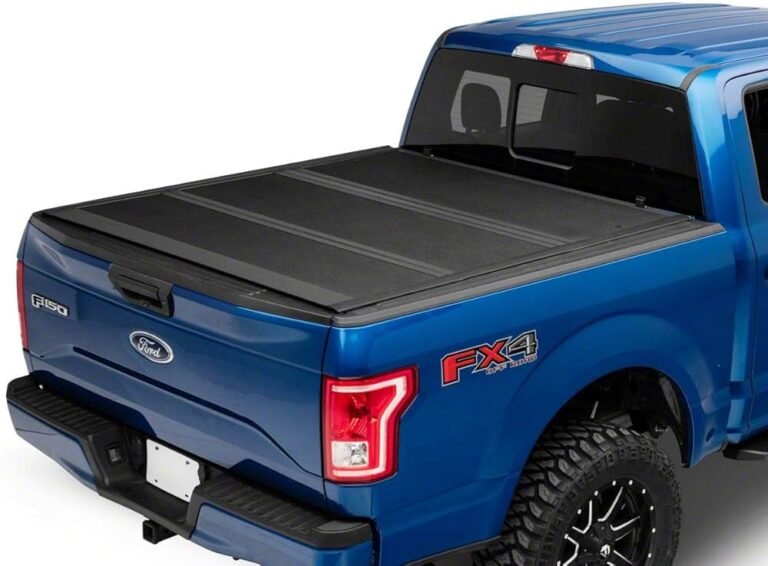
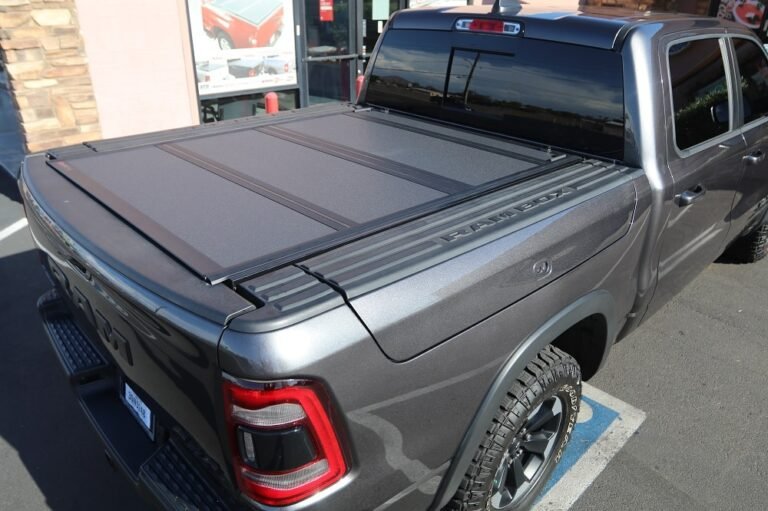
BAKFlip Drain Tubes & System | Complete Water Management Guide
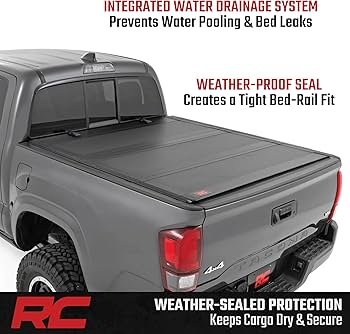
BAKFlip MX4 Integrated Drain System
The BAKFlip MX4 drain tube system features built-in drainage channels within the aluminum side rails that direct water away from your cargo area. Unlike aftermarket drain additions, this system integrates seamlessly with the cover design using precision-molded channels that won’t clog or separate. The system includes four drain ports positioned at strategic locations to handle heavy rainfall and snow runoff. Works across all truck bed lengths from 5.5ft to 8ft on Ford F-150, Chevy Silverado, Ram 1500, and Toyota Tundra applications.
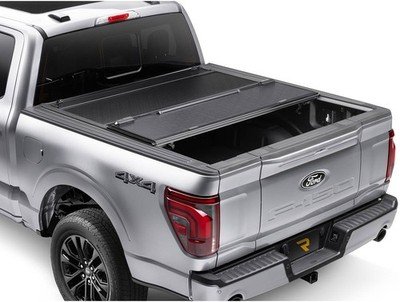
BAKFlip G2 Drainage Port Assembly
The BAKFlip G2 drain ports utilize a different approach with external drainage spouts that attach to the rail system. These removable drain tubes allow for easier cleaning and maintenance compared to integrated systems. Each port handles up to 2 gallons per minute of water flow during heavy storms. The system includes rubber gaskets that seal against the rail to prevent leaks while maintaining proper drainage function. Replacement drain tube assemblies are available separately for damaged or clogged components.
BAKFlip Drain Tube Maintenance Kit
Part BAK-358D0001 includes specialized brushes, flexible rods, and cleaning solutions designed specifically for BAKFlip drain systems. The kit features different brush sizes for various drain tube diameters and bendable cleaning rods that navigate curves without damaging internal surfaces. Includes biodegradable cleaning solution that dissolves organic debris without harming aluminum or rubber components. Professional-grade tools used by authorized dealers for comprehensive drain system service. Essential for maintaining proper water flow and preventing costly water damage.
BAKFlip Drain Tube Replacement Components
Complete replacement parts for damaged or worn bakflip drain tubes including rubber gaskets, mounting brackets, and drain spouts. Part BAK-356D0012 covers most MX4 applications while Part BAK-356D0015 fits G2 models. Each kit includes UV-resistant rubber seals that maintain flexibility through temperature extremes. Stainless steel mounting hardware resists corrosion from constant water exposure. Installation requires basic tools and takes 15-20 minutes per drain assembly. Critical for maintaining warranty coverage and preventing water damage to truck bed contents.
Understanding BAKFlip Drain Tube Systems
The BAKFlip drain tubes represent a critical but often overlooked component that separates premium tonneau covers from basic alternatives. When you invest over $1,000 in a folding aluminum cover, you expect complete weather protection—not just from rain hitting the top surface, but from water that inevitably finds its way into the rail system during storms.
Water management becomes crucial when you consider that even perfectly sealed covers collect moisture from condensation, snow melt, and rain that blows under the tailgate during severe weather. Without proper drainage, this water pools in the rail channels and eventually finds its way into your truck bed, potentially damaging expensive cargo or creating rust problems in the bed itself.
The BAKFlip MX4 drain tubes solve this problem through an integrated approach that channels water away from critical areas before it becomes problematic. Unlike generic tonneau covers that ignore drainage entirely, BAKFlip engineers specifically designed their rail systems with water management as a primary consideration, not an afterthought.
How BAKFlip Drainage Systems Work
The science behind effective tonneau cover drainage involves creating controlled pathways that direct water to predetermined exit points rather than allowing random accumulation. BAKFlip achieves this through precisely engineered channels molded into the aluminum rail extrusions that guide water toward drain ports positioned at the lowest points of the system.
During rainfall, water that penetrates the seal system flows along these channels rather than pooling in random locations. The drain tube outlets position themselves at strategic points where gravity naturally draws accumulated moisture, ensuring consistent water evacuation regardless of how your truck is parked.
This engineered approach prevents the common problem of water backing up behind seals and eventually forcing its way into the truck bed through pressure buildup. By providing controlled release points, the system maintains lower pressure within the rail channels and keeps water flowing in the intended direction.
BAKFlip MX4 Drain Tubes vs G2 System
The fundamental difference between BAKFlip MX4 drain tubes and the G2 system lies in integration philosophy and maintenance requirements. Understanding these differences helps you make informed decisions about repairs, maintenance, and potential upgrades.
The MX4 features integrated drainage channels built directly into the rail extrusion during manufacturing. These channels form permanent pathways that can’t separate or detach from the rail structure. Water flows through precisely sized openings that resist clogging while maintaining structural integrity of the rail system.
In contrast, the G2 uses external drain port assemblies that attach to the rail system through gaskets and mounting brackets. While this approach allows easier access for cleaning and component replacement, it also creates more potential failure points where leaks can develop over time.
Performance Comparison
The MX4’s integrated system handles higher water volumes more consistently because the drain pathways maintain constant cross-sectional area throughout their length. External systems can develop restrictions where components connect, potentially creating bottlenecks during heavy rainfall.
However, the G2’s removable components offer advantages for long-term maintenance. When drain tubes clog with debris, you can remove them completely for thorough cleaning rather than working through access ports. This accessibility can extend system lifespan in environments with heavy organic debris like leaves and pine needles.
Both systems typically handle normal rainfall without problems, but the MX4 shows superior performance during extreme weather events when drainage capacity becomes critical. The larger integrated channels process water faster than external tube assemblies can manage.
Maintenance Requirements
Maintaining BAKFlip drain tube systems requires different approaches depending on your cover model. The MX4’s integrated system needs periodic flushing with clean water to remove accumulated sediment, but accessing the channels for mechanical cleaning requires specialized tools.
The G2’s external components allow complete disassembly for thorough cleaning every 6-12 months depending on environmental conditions. This involves removing drain tubes, cleaning all surfaces, and replacing gaskets that show wear or permanent compression.
Both systems benefit from regular inspection of drain port openings to ensure they remain clear of debris. A simple visual check during routine truck washing identifies most clogging problems before they affect drainage performance.
Common BAKFlip Drain Tube Problems
Even well-engineered drainage systems develop problems over time, and recognizing early warning signs prevents minor issues from becoming expensive repairs. Most BAKFlip drain tube problems fall into predictable categories that respond well to preventive maintenance.
Clogging and Debris Accumulation
The most frequent issue involves organic debris like leaves, pine needles, and seed pods that enter the rail system and gradually obstruct drainage pathways. This debris typically accumulates at bends or restrictions in the drain tubes, creating partial blockages that reduce water flow capacity.
Early signs include water pooling in areas that previously drained quickly after rain. You might notice standing water in the truck bed corners or along the rail channels that takes hours to evaporate instead of draining immediately.
Complete blockages become obvious during moderate rainfall when water overflows from the rail system onto the truck bed. If you see water coming over the rail seals during normal rain, your drainage system has likely failed and needs immediate attention.
Gasket Degradation
The rubber gaskets that seal drain tube assemblies to the rail system gradually degrade from UV exposure, ozone, and temperature cycling. Failed gaskets allow water to leak from connections before reaching intended drain points, defeating the system’s purpose.
Look for water stains or mineral deposits around drain tube mounting points that indicate chronic leaking. Fresh water typically doesn’t leave visible residue, but water carrying dust or dissolved minerals creates telltale marks showing leak locations.
Gasket failure often occurs gradually, starting with minor seepage during heavy rain and progressing to constant dripping even in light precipitation. Address gasket problems promptly to prevent water damage and maintain system effectiveness.
Physical Damage
External drain components can suffer impact damage from backing into obstacles, loading equipment, or general truck bed use. Cracked drain tubes or bent mounting brackets disrupt water flow and may create sharp edges that damage cargo or injure users.
Cold weather makes plastic components brittle and more susceptible to crack propagation from minor impacts. A small crack that seems insignificant in summer can spread rapidly during freeze-thaw cycles, eventually causing complete component failure.
Inspect all visible drain system components monthly for cracks, loose mounting, or deformation. Early detection of physical damage allows repair before complete replacement becomes necessary.
Maintaining Your BAKFlip Drain System
Proper maintenance extends drain system lifespan significantly while ensuring consistent performance during severe weather when you need it most. Most maintenance tasks require basic tools and minimal time investment compared to dealing with water damage from system failure.
Regular Cleaning Schedule
Flush your BAKFlip drain tubes with clean water every 4-6 weeks during spring and fall when organic debris is most problematic. Use a garden hose with moderate pressure to clear loose material without forcing debris deeper into the system.
Start at the highest points of the drainage system and work toward the outlets, allowing gravity to assist debris removal. Never use high-pressure washers directly on drain openings, as this can force debris into areas where it’s impossible to remove without disassembly.
Pay special attention to drain port screens if your system includes them. These screens prevent large debris from entering the drainage channels but can become completely blocked by accumulated material. Clean screens with an old toothbrush and soapy water to restore full flow capacity.
Seasonal Maintenance Tasks
Before winter, perform comprehensive drain system inspection and cleaning to prevent freeze damage from trapped water. Remove all visible debris and ensure water flows freely through all drain points. Trapped water that freezes can crack components or dislodge gaskets.
Spring maintenance involves checking for freeze damage and replacing any gaskets that appear compressed or cracked. Temperature cycling during winter often reveals gasket problems that weren’t apparent during milder weather.
Summer preparation includes UV protection for rubber components exposed to direct sunlight. Apply appropriate protectants to gaskets and flexible drain tubes to prevent accelerated degradation from intense sun exposure.
Tools and Supplies
Invest in proper tools for drain system maintenance rather than improvising with inappropriate equipment that can cause damage. Flexible cleaning rods designed for drain systems navigate bends without scratching aluminum surfaces or puncturing rubber components.
Keep appropriate replacement gaskets and common wear items in stock so you can address problems immediately rather than waiting for parts delivery. Small leaks become major problems quickly when left unaddressed.
Quality flashlights or headlamps improve visibility when inspecting drain systems in shadowed areas under the truck bed rails. Many drain problems are subtle and require good lighting to identify during early stages when repair is still simple.
Troubleshooting Drain System Issues
Effective troubleshooting follows systematic approaches that identify root causes rather than just addressing symptoms. Understanding how BAKFlip drain systems fail helps you focus diagnostic efforts on the most likely problem areas.
Water Not Draining
When water accumulates instead of draining, start by checking the most accessible components before assuming complex internal problems. Look for obvious obstructions at drain port outlets where leaves or debris might be visible without disassembly.
Pour a measured amount of water into the rail channels while observing drain outlets. Normal systems should show water emerging within seconds of pouring. Delayed drainage or no flow indicates blockages that require mechanical cleaning.
Use a flashlight to inspect drain tube interiors through access points. Many clogs occur just inside drain openings where they’re visible and reachable with simple tools. Don’t assume internal blockages require professional service until you’ve eliminated accessible problems.
Partial Drainage Problems
Systems that drain slowly often have partial blockages that reduce flow capacity without completely stopping water movement. These problems become critical during heavy rainfall when full drainage capacity is necessary.
Test drainage capacity by pouring measured amounts of water and timing how long complete drainage takes. Compare results to baseline measurements when the system was new to quantify performance degradation.
Partial blockages often respond to chemical cleaning with enzymatic cleaners designed for organic debris. These cleaners dissolve accumulated material without damaging aluminum or rubber components, restoring full flow capacity.
Leak Detection
Identifying leak sources requires systematic testing with controlled water application. Start with suspected areas and gradually expand the search pattern until you locate all leak points.
Use food coloring in test water to make leaks more visible against truck bed surfaces. Colored water shows exactly where leaks occur and helps distinguish between multiple potential sources.
Check gasket compression by observing how much they deform under system pressure. Properly sealed gaskets should show even compression around their entire perimeter without gaps or excessive deformation that indicates deterioration.
Replacement Parts and Upgrades
Understanding available replacement options helps you make cost-effective decisions between repair and upgrade when drain system components fail. Some situations benefit from upgrading to newer designs rather than simply replacing worn original parts.
OEM vs Aftermarket Components
Genuine BAK Industries drain tube parts ensure exact fit and maintain warranty coverage, but aftermarket alternatives sometimes offer improved designs or materials. Evaluate aftermarket options carefully to ensure they don’t compromise system performance or create new failure modes.
Some aftermarket manufacturers produce upgraded drain components with enhanced flow capacity or easier maintenance features. These improvements can justify slightly higher costs if they address specific problems you’ve experienced with original parts.
However, aftermarket parts may void warranty coverage if they contribute to system failures. Document any modifications carefully and understand warranty implications before installing non-OEM components.
Complete System Replacement
When multiple drain components fail simultaneously, complete system replacement often costs less than individual part replacement while providing warranty coverage for the entire assembly. This approach makes sense for covers approaching the end of their warranty period.
Newer drain systems incorporate design improvements that address common failure modes of earlier versions. Upgrading to current-generation components can provide better long-term performance than maintaining older designs.
Professional installation of complete drain systems ensures proper integration with existing rail structures and maintains manufacturer warranty coverage. The installation cost is often offset by improved reliability and reduced future maintenance requirements.
Professional Service vs DIY Maintenance
Deciding between professional service and DIY maintenance depends on problem complexity, available tools, and your mechanical aptitude. Some drain system work requires specialized equipment while other tasks are well within typical DIY capabilities.
DIY-Friendly Tasks
Basic cleaning, gasket replacement, and external component servicing typically require only standard hand tools and careful attention to instructions. These tasks save significant money when performed personally and help you understand your system better.
Routine maintenance like flushing drain channels and inspecting visible components takes minimal time and prevents most serious problems. Regular DIY maintenance catches issues early when they’re still simple to address.
Keep detailed records of maintenance performed, parts replaced, and problems observed. This documentation helps warranty claims and provides valuable information for professional technicians if complex repairs become necessary.
When to Call Professionals
Complex internal blockages, structural modifications, or warranty-covered repairs often require professional service with specialized tools and experience. Attempting these repairs without proper equipment can create expensive damage that wasn’t present originally.
If multiple drain system components fail simultaneously, professional diagnosis can identify underlying causes that might not be obvious to DIY mechanics. Systematic failures often indicate installation problems or design issues that require expert evaluation.
Professional service makes sense when the cost of required tools approaches the service fee for one-time repairs. Specialized drain cleaning equipment or hydraulic test equipment isn’t cost-effective for occasional use.
Frequently Asked Questions
How often should I clean my BAKFlip drain tubes?
Clean your BAKFlip drain tubes every 4-6 weeks during spring and fall when debris accumulation is highest. In areas with heavy tree coverage or organic debris, monthly cleaning prevents blockages that can cause system failure during storms.
Can I use a pressure washer on the drain system?
Avoid using high-pressure washers directly on drain openings as this can force debris deeper into the system where it’s impossible to remove. Use moderate water pressure and work from high points toward drain outlets to assist gravity in debris removal.
What causes BAKFlip drain tubes to clog?
Most clogs result from organic debris like leaves, pine needles, and seed pods that enter the rail system and accumulate at bends or restrictions. Regular cleaning and inspection prevent most clogging problems before they affect drainage performance.
Are MX4 and G2 drain components interchangeable?
No, MX4 and G2 drain systems use different designs and components. The MX4 features integrated drainage while the G2 uses external assemblies. Parts are not interchangeable between models due to different mounting systems and flow designs.
How do I know if my drain tubes need replacement?
Signs include water pooling in areas that previously drained quickly, visible cracks in drain components, water stains around mounting points indicating leaks, or complete drainage failure during normal rainfall. Replace components showing these symptoms promptly.
Can I upgrade my G2 to MX4 drainage system?
The drainage systems are integrated into their respective rail designs and cannot be swapped between models. Each system is engineered specifically for its cover model and requires corresponding rail structures for proper function.
What tools do I need for drain tube maintenance?
Basic maintenance requires flexible cleaning rods, appropriate brushes for tube diameters, garden hose with adjustable nozzle, flashlight for inspection, and basic hand tools for component removal. Specialized cleaning kits are available from BAK Industries.
Will drain system modifications void my warranty?
Installing non-OEM drain components or making structural modifications to the drainage system can void warranty coverage. Use only genuine BAK Industries parts for repairs to maintain warranty protection and ensure proper system function.